Strait of Hormuz on the Brink: How Iran’s Threats Will Hit Your Wallet
President Trump has urgently dispatched his representatives to Pakistan to negotiate with Iran over the Strait of Hormuz. Why should you care? Because if this narrow waterway gets shut down, oil prices will skyrocket, and you’ll be paying more for gas, groceries, and shipping within just a couple of weeks.
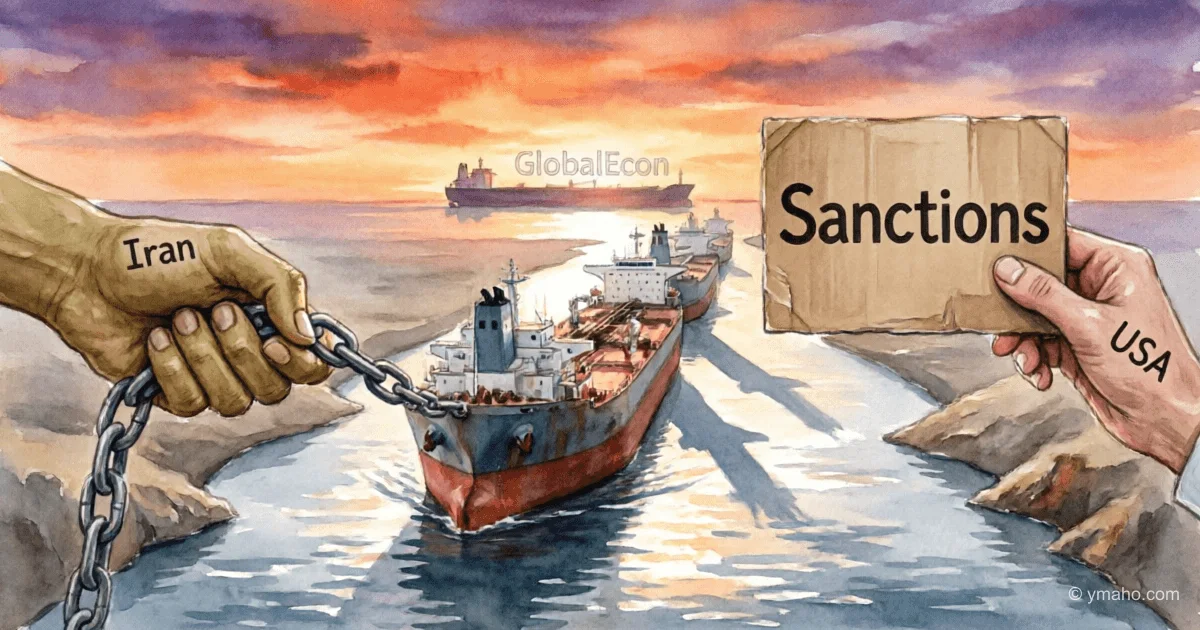
The Strait of Hormuz acts as the planet’s primary oil artery. Roughly 20% of the world’s crude oil flows through this narrow passage between Iran and Oman. Imagine if every weekend trip to your cabin depended on a single two-lane road. If that road gets blocked, the resulting gridlock would be massive—the exact same thing happens when tanker traffic backs up in the strait. Iran is now threatening to do exactly that, demanding the removal of U.S. sanctions.
What an “Oil Traffic Jam” Means for the World
Tensions have escalated: Iran has announced it is resuming a blockade of the strait, demanding that the U.S. lift its naval restrictions on Iranian ports. Tehran insists there will be no negotiations until Washington removes the sanctions. In response, Trump claimed America has “already blocked” the strait, stating that Iran is losing $500 million a day because it can’t sell its oil. But there’s a misunderstanding here: the U.S. isn’t physically closing the waterway; it’s using sanctions to ban purchases of Iranian oil. Meanwhile, Iran is threatening to shut the route for everyone—like a neighbor you’re feuding with suddenly blocking the only exit out of your neighborhood.
Why does this affect the entire globe? Because 80% of nations rely on imported oil. If the strait closes, even Saudi Arabian crude won’t be able to reach Europe and Asia. Oil prices could surge 10–15% in just a few days. And that hits everyone: from airline ticket costs to the price of a loaf of bread (since freight trucks run on diesel).
Playing Hardball: The Interests at Stake
Iran is in a tight spot. U.S. sanctions have already cut its oil production in half. Closing the strait is their last-ditch leverage play. But it’s highly risky: other nations could respond with a military operation to reopen the waterway, much like what happened in the 1980s. On the other side, the U.S. is trying to project strength. Trump has threatened to “shut down all of Iran’s power plants,” but actual measures so far have been relatively measured—they’ve simply ramped up military presence in the region.
Key players and their stakes:
- Iran: Wants sanctions lifted to resume oil sales and stabilize its economy.
- United States: Aims to halt Iran’s nuclear program and curb its regional influence.
- Europe and Asia: Fear supply chain disruptions, as their economies are heavily reliant on Middle Eastern oil.
- Saudi Arabia: Could ramp up production to make up for the shortfall, though not overnight.
Real-World Impact: A Chain Reaction
If the strait shuts down even for a week, the ripple effects will be immediate:
- Oil prices will spike — expected to jump 10–20%.
- Fuel costs will rise — gasoline and diesel could go up 15–25%.
- Freight rates will increase — impacting everything from fresh produce to consumer electronics.
- Inflation will accelerate — central banks may hike interest rates, making borrowing more expensive.
Developing nations will bear the brunt of this shock, struggling to absorb sudden spikes in imported fuel costs. Even in Europe, rising energy prices could spark widespread protests.
Key Takeaways
- The Strait of Hormuz is a critical chokepoint in the global oil network; a closure would paralyze worldwide shipments.
- Iran is acting out of desperation: sanctions are strangling its economy, but brinkmanship could easily spiral into conflict.
- The U.S. wants to avoid another war but won’t drop sanctions without concrete Iranian concessions.
- The international community is waiting for diplomacy: Pakistan is stepping in as a mediator, though near-term success remains uncertain.
- You’ll start feeling the impact at the pump and in grocery aisles as early as May.
So what does this mean for everyday consumers? If tensions escalate, expect gas prices to climb within one to two weeks. Start conserving fuel now: combine errands, carpool, or lean on public transit. Also, brace for higher grocery bills, particularly on heavily transported items like fresh vegetables and fruits. On a broader scale, these kinds of geopolitical flashpoints serve as a reminder of why investing in renewable energy matters: less reliance on fossil fuels means fewer economic vulnerabilities.
— Editorial Team









