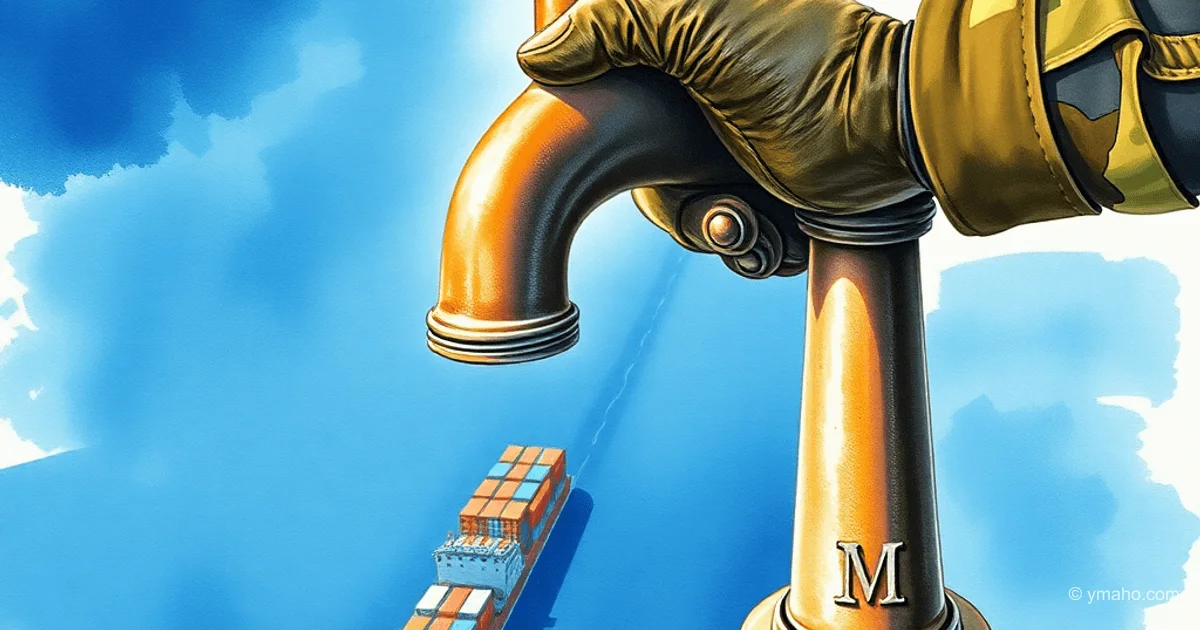
U.S. Captures Iranian Ship, Threatening Oil Prices and Peace Talks
The U.S. military seized an Iranian cargo ship near a crucial oil shipping route, a move that could push gas prices higher worldwide and derail fragile peace negotiations. For anyone filling up their car or watching the news, this isn't just a distant naval skirmish—it's a direct hit to global trade and stability.
The Strait of Hormuz: The World's Gas Tap
The capture happened in the Strait of Hormuz, a narrow sea channel between Iran and Oman. Think of it as the world's main gas tap. About one-fifth of all the oil traded globally passes through this tiny strip of water every day. When traffic there gets blocked or risky, the price of oil—and therefore gasoline, diesel, and many everyday products—goes up everywhere.
The U.S. says it started blocking this strait a week ago because Iran was stopping most ships from passing through, except those from countries it deals with. In response, the U.S. declared it would stop any ship linked to Iran from using the route. This effectively cuts off Iran's main way of selling its oil to the world, which was earning the country nearly $5 billion a month.
A Six-Hour Standoff Ends With Capture
Early Monday, near midnight local time, an Iranian container ship named the Touska tried to sail through the blocked strait towards an Iranian port. A U.S. guided-missile destroyer, the USS Spruance, confronted it. The U.S. military says it warned the ship for six hours, telling it it was violating the blockade and to turn back.
When the Touska didn't comply, the U.S. ship fired its main gun at the Iranian vessel's engine room, disabling it. Then, U.S. Marines flew in helicopters from another ship, used ropes to climb down onto the captured Touska, and took control. The U.S. has not yet revealed what the ship was carrying.
Key details about the ship:
- It's a massive container ship, nearly as long as a U.S. aircraft carrier.
- It flies under the Iranian flag.
- The ship and its owners were already under U.S. sanctions for allegedly helping Iran break other international rules.
Why This Capture Is Different
This event marks a significant escalation. It's the first non-military Iranian ship the U.S. has hit during the current conflict, and the first Iranian cargo vessel it has captured since the blockade began. Previously, actions were more about warnings and blockades; this is a direct physical seizure.
Iran immediately called the act "piracy" and promised retaliation. More importantly, hours after the capture, Iran announced it would not send its negotiators to planned peace talks in Islamabad, Pakistan. The U.S. had said its team was already traveling there for talks starting as early as Tuesday.
An Iranian spokesperson said there were "indications" the U.S. was not serious about diplomacy and accused Washington of violating a ceasefire that had been in place. The message was clear: capturing the ship shattered the fragile trust needed for negotiation.
What Does This Mean for Regular People?
When major oil shipping routes become battlefields, the risk and cost of moving oil increases. This often translates into higher prices at the pump for gasoline and diesel within days or weeks. Secondly, when diplomatic talks collapse over a single incident, it means prolonged instability, which can affect everything from international travel safety to the cost of goods that rely on global supply chains. For now, it's a reminder that a conflict far away can have a very direct impact on everyday life here.
Key Takeaways
- The U.S. capture of an Iranian ship is a major escalation from a blockade to a physical seizure.
- The event occurred in the Strait of Hormuz, a vital channel for global oil supply.
- Iran responded by pulling out of imminent peace talks, accusing the U.S. of not being serious about diplomacy.
- The action threatens to increase global oil prices and prolong regional instability.
- The ship was already under U.S. sanctions, and its cargo is currently unknown.
— Editorial Team









