UAE Arrests Alleged Iran-Linked Group Amid Regional Tensions
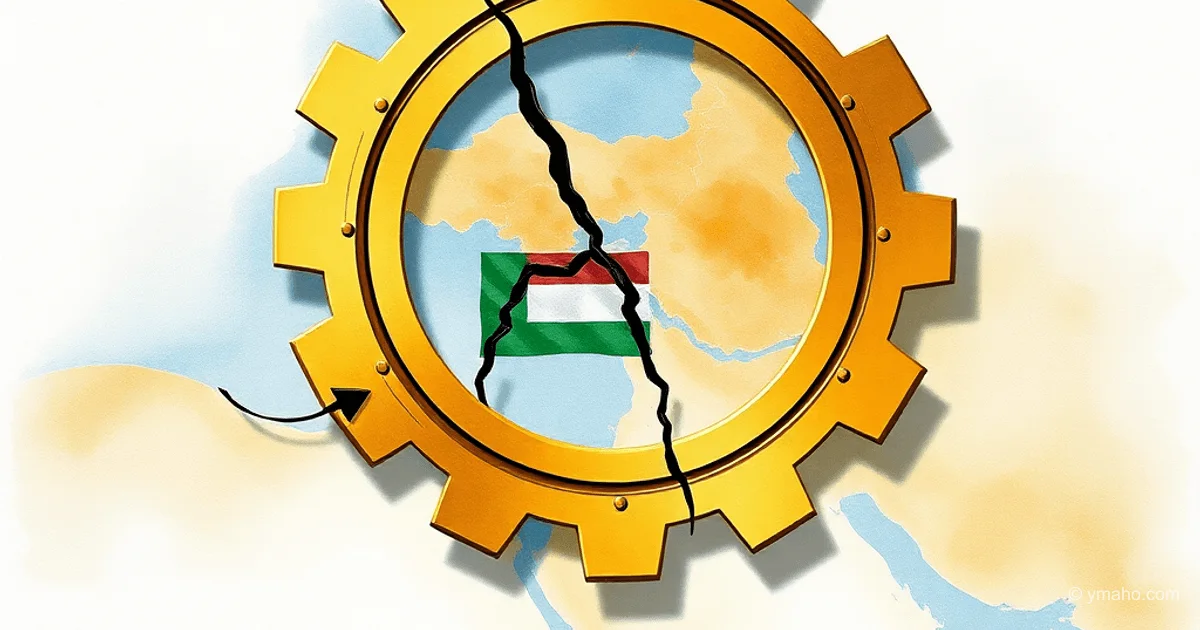
The United Arab Emirates has arrested a group of people it says were planning sabotage, a move that highlights how tensions in the Middle East can affect everyday life far beyond the battlefield. For anyone watching global stability or the price of oil and goods, this matters because it shows how regional conflicts can spill over into economic hubs.
What Happened and Why It's Significant
The UAE's security service announced it detained 27 individuals. Authorities claim this group was linked to Iran's political leadership and was operating secretly within the UAE. They are accused of gathering money and sending it abroad, recruiting people, and spreading ideas meant to undermine the country's policies. The UAE is a major global hub for business, travel, and oil. When security is threatened there, it doesn't just affect local residents; it can ripple out to world markets. Think of it like a key junction in a global shipping network suddenly having to increase security checks—everything moving through that point can slow down or become more expensive.
This action comes during a period of heightened tension between Iran and the US, with its allies like Israel. The UAE, which hosts US military assets, has been targeted by Iranian attacks more than any other country in the region, though many attacks have been intercepted. The country has previously asked Iran to pay for damages caused by such strikes.
The Economic Channel: From Security to Your Wallet
Conflicts in the Middle East often influence two things most people care about: energy prices and the general cost of living. The UAE is a critical part of the world's energy supply chain and a central trade and finance crossroads.
- Energy Security: The UAE is a major oil and gas producer. Instability or increased security operations there can worry markets about supply, potentially pushing fuel prices higher.
- Trade and Logistics: The UAE's ports and airports are vital global connectors. Security crackdowns or the threat of sabotage can lead to delays, higher insurance costs for shipments, and increased expenses for businesses operating there.
- Investment Climate: The country is a magnet for international investment and tourism. News of security threats can make some investors and travelers hesitate, which can slow economic activity.
The situation is a reminder that modern conflicts are not just about soldiers and borders. They involve financial networks, cyber operations, and efforts to influence public opinion. The UAE's allegation that the group was funding "suspicious foreign entities" points to this broader, less visible battlefield.
Key Takeaways
- Regional geopolitical tensions are manifesting in security actions within major economic hubs like the UAE.
- Such events can have indirect economic effects, influencing energy prices, trade costs, and investment sentiment globally.
- The conflict involves non-military dimensions like financial flows and ideological recruitment, extending its impact beyond traditional warfare.
- The UAE's repeated calls for Iran to pay for damages highlight the tangible economic costs of these confrontations.
- Stability in key global trade and energy centers is interconnected with broader geopolitical stability.
What Does This Mean for Regular People?
While this event is happening far away, it connects to daily life through the economy. Increased tensions in a region that supplies much of the world's oil can lead to higher gas prices. Uncertainty in a major trade hub can eventually trickle down to the cost of goods or the stability of certain jobs connected to global trade. For most people, it's another example of how distant conflicts can quietly affect the pocketbook.
— Editorial Team









