A Wave of Attacks Hits Ukraine, Killing Civilians and Shifting Global Focus
A major overnight assault by Russia on Ukrainian cities killed at least 16 people, including a child, and injured dozens more. This matters to everyone because it underscores how a distant war can ripple out, affecting global stability, energy prices, and the flow of aid that shapes our world.
The Scale of the Attack
The Ukrainian air force reported that Russia launched over 700 weapons in a 24-hour period, including 44 missiles and 659 drones. A drone is a small, unmanned aircraft that can be used for surveillance or to carry explosives. Ukrainian defenses managed to stop most of them, but the ones that got through caused significant damage. The strikes targeted multiple regions, with the southern port city of Odesa and the capital Kyiv hit hardest.
In Kyiv, attacks damaged hotels, office buildings, and residential homes. Falling debris caused fires, and in one case, a mother and her child were rescued from the rubble of a collapsed house. The head of the European Union's council accused Russia of deliberately targeting civilians, calling the assault a choice to "terrorise" ordinary people.
The Cycle of Violence and Response
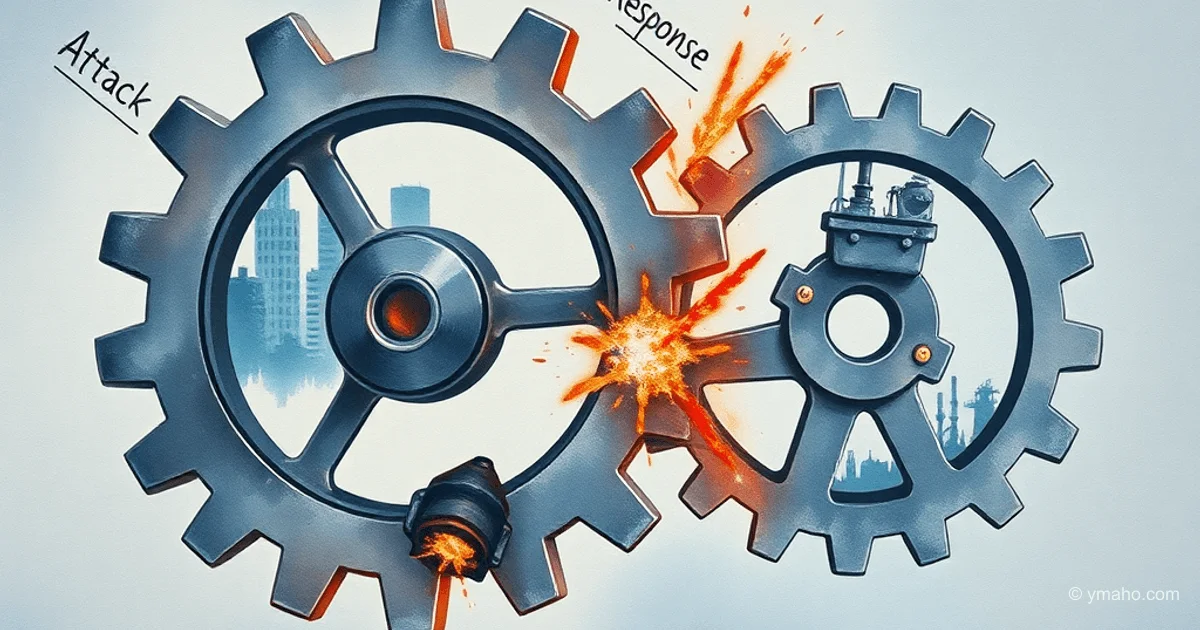
This attack was not an isolated event. It's part of a pattern that has lasted for years, with nightly drone and missile launches. Think of it like two boxers in a ring, each responding to every punch from the other. Russia stated this particular wave was a response to Ukrainian strikes on targets inside Russia, including a port on the Black Sea where two children were reportedly killed.
Russia's defense ministry said it was aiming at facilities that produce missiles and drones for Ukraine, as well as energy sites that power the military. Ukraine, meanwhile, says it needs more defensive weapons—specifically, more 'interceptors' to stop incoming attacks. An interceptor is like a defensive missile designed to knock an incoming threat out of the sky before it hits.
- The Human Cost: At least 16 civilians killed, including children.
- The Material Cost: Fires, collapsed buildings, and damaged infrastructure across several cities.
- The Strategic Goal: Each side claims its attacks are aimed at weakening the other's ability to fight.
A Stalled Path to Peace
Efforts to end this conflict through negotiation have repeatedly failed. The process is like trying to fix a broken vase when both sides are still throwing pieces at each other. Recent talks brokered by the United States have not brought the parties closer.
The war in the Middle East has shifted some international attention and resources away from Ukraine, making diplomatic progress even slower. The core disagreement remains about land. Ukraine has suggested a temporary freeze, holding the current battle lines. Russia has rejected this, demanding control over entire regions that are currently split—a condition Ukraine says it cannot accept.
What Does This Mean for Regular People?
For people far from the conflict, these events remind us that war disrupts global trade and can influence energy markets, as key ports and infrastructure are damaged. It also shows how international aid and focus can shift, affecting which crises get the resources needed to protect civilians. Ultimately, it highlights that the safety of ordinary families, anywhere, can be impacted by geopolitical decisions made elsewhere.
Key Takeaways
- The conflict continues at a high intensity, with large-scale attacks causing civilian casualties.
- Both sides are engaged in a cycle of retaliation, targeting military production and energy supplies.
- Diplomatic efforts to end the war are stalled, with fundamental disagreements over territory blocking a deal.
- The war's persistence has broader implications, potentially affecting global economic stability and the allocation of international aid.
— Editorial Team









