Ukraine Strikes Russian Warships, Aiming to Cut War Funding
Ukraine targeted Russian warships and oil infrastructure overnight, aiming to disrupt the money Russia uses to fund its war. For people everywhere, this matters because it shows how the conflict is moving beyond the battlefield and could affect global energy supplies and prices.
Ukraine's military intelligence says it successfully hit two large Russian landing ships and a radar station in Crimea, a region Russia controls. A landing ship is like a military cargo vessel, designed to carry troops and equipment to shore. These strikes are part of a broader strategy: attacking the resources that fuel Russia's military efforts.
Targeting the War's Financial Engine
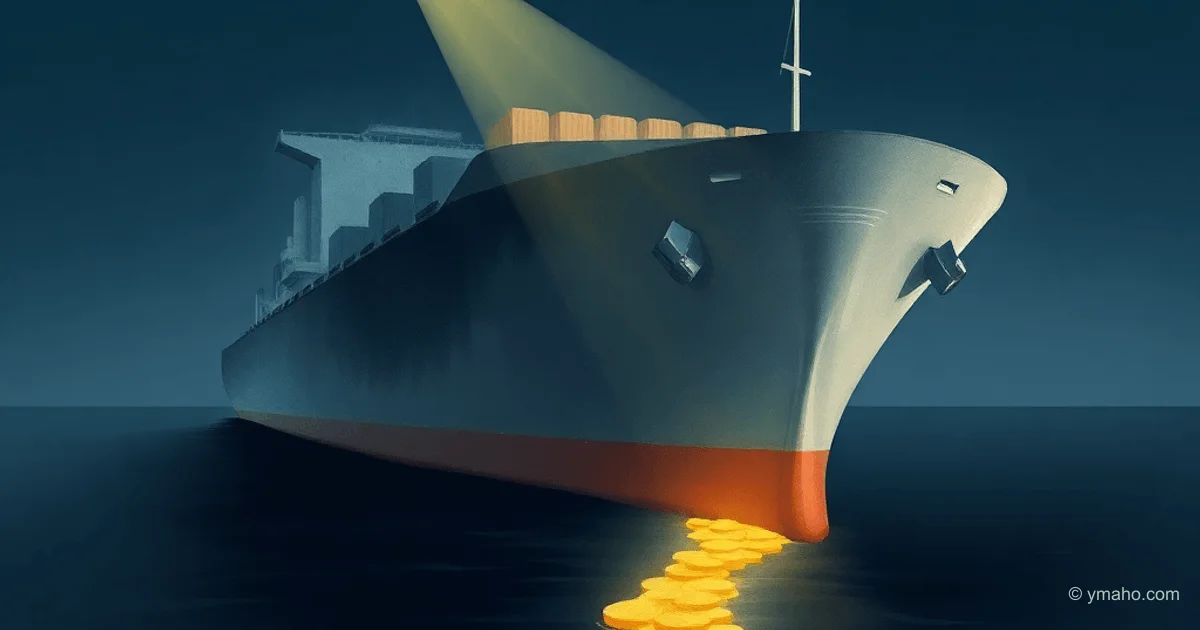
Alongside the naval attack, Ukrainian drones hit a Russian oil port for the second time in just three days. Think of this like trying to stop a factory's production line. If you damage the machinery and the port where products are shipped out, you slow down the entire operation. Ukraine's goal is to reduce Russia's oil exports, which are a major source of money for its war. European countries have reportedly asked Ukraine to scale back these attacks, hoping economic sanctions will do the job instead.
However, a key sanction—a ban on selling Russian oil loaded onto ships—has not been reinstated. In fact, the United States has extended a waiver allowing these sales until mid-May. This creates a difficult situation: while the world waits for sanctions to work, Ukraine is taking direct action to limit Russia's war funding.
The Cycle of Attacks Continues
Russia responded with its own overnight attacks across Ukraine, hitting regions including the capital Kyiv. These strikes often target civilian areas and infrastructure, like homes and railways. The conflict has created a relentless cycle: one side attacks, the other retaliates, and civilians bear the cost. The United Nations reports over 15,000 Ukrainian civilians have died since the war began.
- Naval Targets: Attacks on warships aim to degrade Russia's military capacity in the Black Sea.
- Economic Targets: Strikes on oil ports aim to cut off a vital stream of revenue.
- Civilian Impact: Russian attacks continue to cause casualties and damage far from the front lines.
What Does This Mean for Regular People?
For people not directly involved in the conflict, these developments highlight two things. First, modern wars are fought not just with soldiers but by targeting an opponent's economic lifelines. Second, when key global commodities like oil are involved, disruptions can ripple out, potentially affecting energy prices and stability elsewhere. The situation remains a tense standoff, with peace talks stalled over fundamental disagreements about territory.
— Editorial Team









