US Seizes Iranian Tanker: Why Oil Prices Soared and What It Means for Everyone
Oil prices surged after the US seized an Iranian tanker that violated the maritime blockade. This isn't just a conflict between two countries—it's an event that could raise gasoline and energy costs for everyone around the world.
Why Oil Prices Are So Sensitive
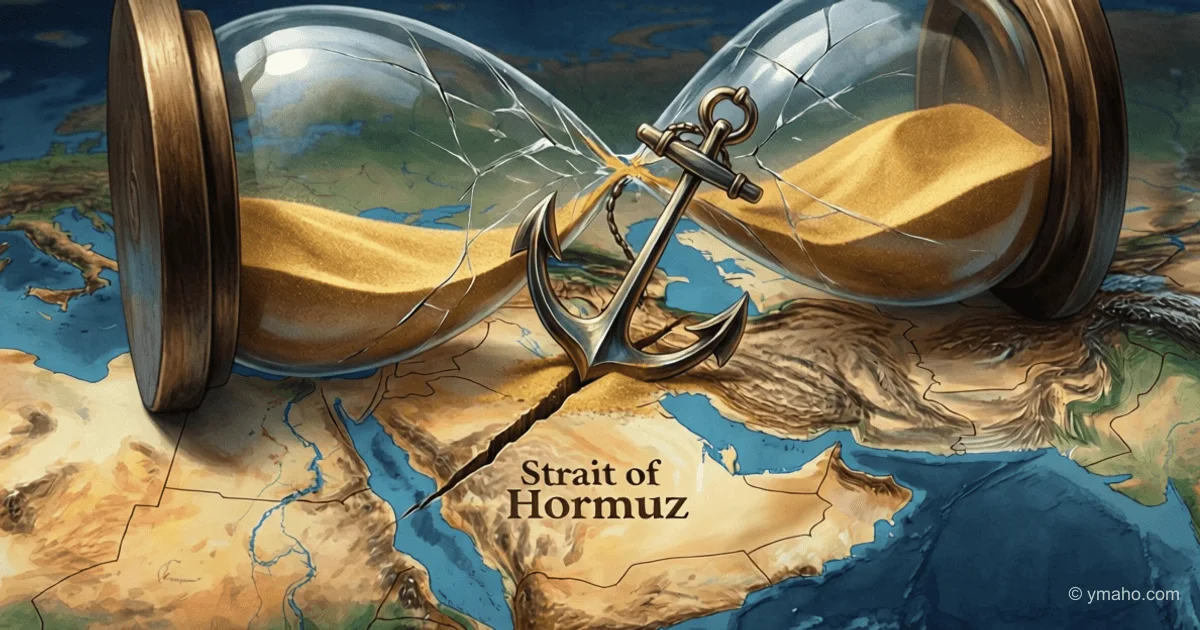
Oil is like blood for the modern economy. It powers factories, vehicles, and entire nations. When its supply is disrupted, prices spike. The Strait of Hormuz is a narrow maritime corridor through which about 20% of the world's oil passes. Imagine the planet's main water main, easily cut off at any moment.
What happened:
- The US imposed a maritime blockade on Iranian ports.
- Iran initially reopened the Strait of Hormuz, then closed it again after its tanker was seized.
- Brent crude oil prices jumped more than 5%, rising above $95 per barrel.
This is a classic example of how geopolitics directly impacts the economy. When two countries play games with the world’s primary energy artery, everyone else pays the price.
How the Conflict Affects Global Markets
The situation is like a tug-of-war on an extremely thin and critical line. The US and Iran aren't just arguing—they're blocking key oil routes. Analysts note that 10 to 11 million barrels of oil per day are currently blocked. That’s a massive volume.
When oil can’t move freely across the globe, its price rises. The reason is simple: supply drops while demand stays high. Markets react instantly, as we saw on Monday. Futures contracts—agreements for future oil delivery—show traders expect further price increases.
It’s important to understand: this surge isn’t limited to oil alone. High oil prices lead to:
- Higher costs for gasoline and diesel fuel.
- Rising prices for everything requiring energy to produce (from plastics to food).
- Increased inflation—the general rise in prices across the economy.
What the Tanker Seizure Means for the Ceasefire
Before this event, a temporary ceasefire had been in place between the US and Iran. Iran had even announced it was reopening the strait to all commercial vessels. But the US seizure of the tanker attempting to break the blockade dramatically changed the situation.
Iran has promised retaliation and has withdrawn from the next round of negotiations. This means the brief period of relative calm is over, and the risk of further escalation is very high. When such ceasefires are broken, markets react sharply because the future becomes uncertain.
What This Means for Ordinary People
For you, even if you don’t follow oil markets:
- In the coming weeks, you may see fuel prices rise at gas stations.
- As energy costs climb, prices for many goods in stores—from food to clothing—could also rise.
- The global economy is becoming less stable, which could affect your job and income.
Oil crises in critical regions, like this one, show how geopolitics is directly tied to our daily lives. When major countries clash on key trade routes, everyone pays.
What matters:
- The Strait of Hormuz is a critical artery for global energy.
- The US seizure of the tanker broke the temporary ceasefire and increased the risk of escalation.
- Oil prices react instantly to such events, impacting the global economy.
- Blocking even part of oil supplies creates a shortage effect and drives prices up.
- This conflict has direct consequences for the cost of living for ordinary people worldwide.
— Editorial Team









