US Sanctions Shift on Venezuela: What It Means for Oil and Global Markets
The United States is loosening some financial restrictions on Venezuela, a move that could ripple through global oil markets and affect everyday prices. For anyone filling up their car or paying an energy bill, changes in how a major oil-producing country operates can have real-world consequences.
Venezuela has one of the largest oil reserves in the world, but its economy has been struggling for years. Sanctions are official penalties from one country to another, often blocking trade or financial dealings. The US had placed many of these penalties on Venezuela, making it difficult for the country to sell its oil freely on the global market. This latest shift by the US Treasury Department allows certain transactions with Venezuelan banks and its central bank, which is the institution that manages a country's money supply and financial system.
Why Sanctions Matter to the World Economy
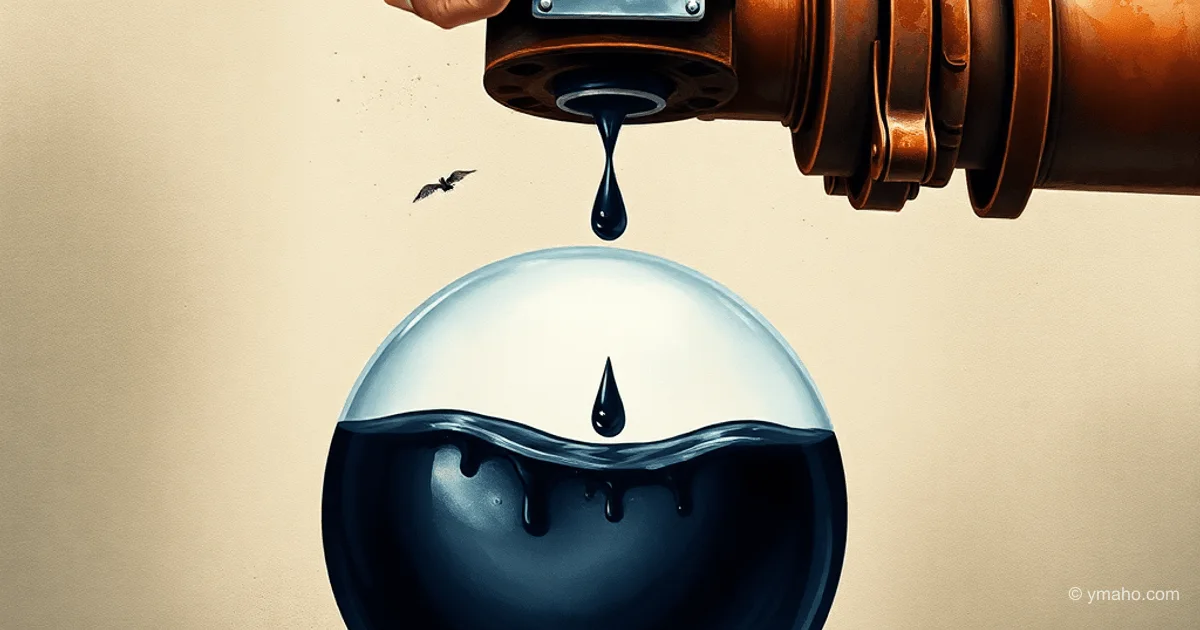
Think of global oil supply like a giant network of pipes. When a major tap is turned off—like Venezuela's—it reduces the total amount of oil flowing to the world. That can push prices up for everyone else. When that tap is eased, even slightly, it can add more oil into the system, potentially helping to stabilize or lower prices. The US is essentially adjusting the valve on Venezuela's tap.
This isn't a full removal of restrictions. The US is granting specific "licenses" that permit some previously banned financial activities. The goal, as stated by US officials, is to encourage commercial negotiations and investment. Venezuela's interim president, Delcy Rodríguez, argues this is a necessary step to attract foreign business, but says much more needs to be done to truly revive her country's economy.
The Link Between Politics and Your Gas Tank
The situation is deeply political. The US has sought greater influence over Venezuela's oil and mineral policies since a change in leadership earlier this year. In response, Venezuela has passed laws to make it easier for foreign companies to explore for oil and mine resources. It's a classic dance: one country offers limited economic relief, while the other makes policy changes to attract investment.
Key developments in this ongoing story:
- The US has reopened its embassy in Venezuela's capital, Caracas, after years of closed doors.
- All Venezuelan oil sales abroad are now approved by the US, but the money from those sales goes into a US-controlled bank account.
- Venezuela has offered an amnesty for some political prisoners, though critics say the terms are unclear.
- Worker protests inside Venezuela highlight ongoing economic pain, with promises from the government to address wage concerns soon.
What does this mean for regular people?
Changes in sanctions on a major oil producer can eventually affect the global price of oil, which influences the cost of gasoline, heating, and many manufactured goods. For Venezuelans, any easing of restrictions could mean a slow path toward more economic activity and jobs, but the process will be long and uncertain. For the world, it adds another variable into the complex equation of energy security and prices.
Key takeaways
- The US is cautiously easing some financial sanctions on Venezuela, targeting its central bank and state-owned banks.
- This is directly tied to Venezuela's oil industry, a key component of global energy supplies.
- The move aims to foster investment and trade negotiations, but is not a wholesale lifting of restrictions.
- Internal economic struggles in Venezuela continue, with worker protests over wages and pensions.
- The geopolitical relationship remains one of conditional cooperation, not full alignment.
— Editorial Team









