Nearly 200,000 Illegal Miners in Russia—Authorities Aim to Legalize Them
In Russia, approximately 190,000 individuals are mining cryptocurrency without official registration, while only 5,500 miners operate legally. This was stated by Anatoly Aksakov, Chairman of the State Duma Committee on Financial Markets. These figures are more than just statistics: the sheer scale of shadow mining poses serious challenges—from straining power grids to causing billions of rubles in lost tax revenue.
Why Does This Matter to Ordinary People?
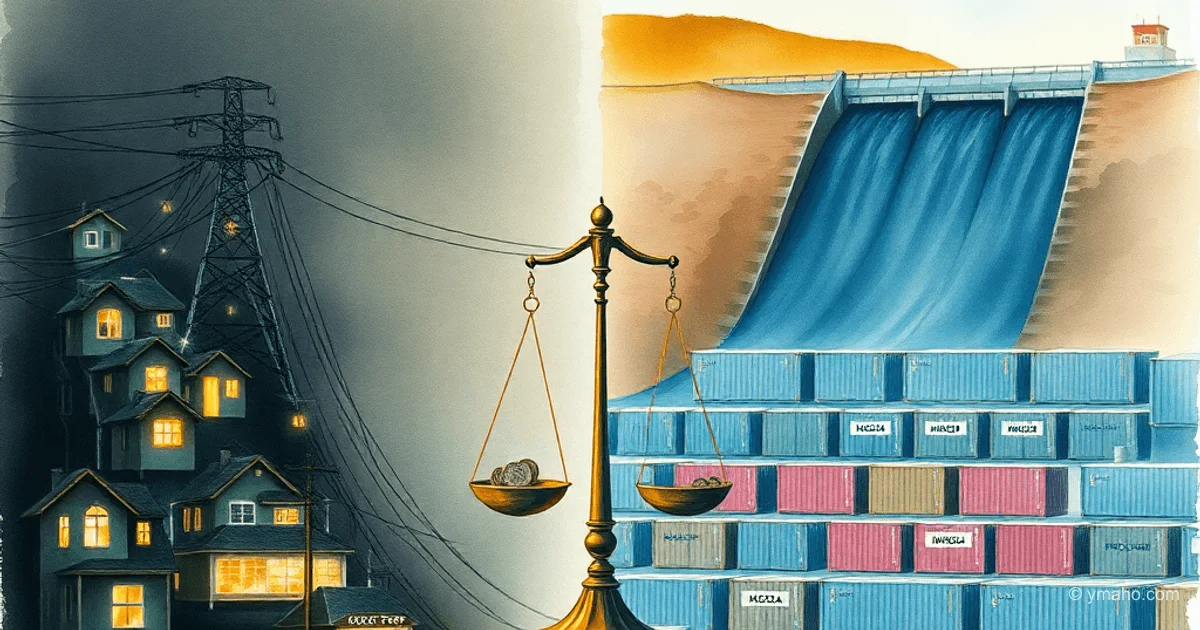
Mining is the process of generating new cryptocurrency units using high-powered computers that consume vast amounts of electricity. Imagine someone connecting hundreds of electric kettles in your home and turning them all on at once—that’s how miners can overload local power grids. In some regions of Russia, mining has already been banned to prevent residents from being left without electricity or heating.
However, there’s another side to this: in certain areas, there’s an abundance of surplus energy sitting idle. Local authorities are considering legalizing mining as a way to convert this excess electricity into revenue for the budget.
What Is the Government Proposing?
Aksakov emphasized that the goal isn’t to ban mining but to bring it out of the shadows. Legal miners would pay taxes, potentially adding tens of billions of rubles annually to state coffers. According to him, this approach could:
- Reduce strain on power grids in overburdened regions;
- Establish transparent regulations for the industry;
- Increase federal and local government revenues.
Earlier, Nikolai Shulginov, head of the State Duma Energy Committee, reported that illegal mining caused over 4.7 billion rubles in damages last year—funds that could have been used to repair schools, hospitals, or roads.
How Would the New System Work?
It’s planned to allow mining only in regions with a surplus of electricity, such as Siberia or the Russian Far East, where hydropower plants generate more energy than local residents and businesses need. In these areas, mining could serve as a kind of “energy safety valve,” converting excess power into digital assets and tax revenue.
It’s important to note: this doesn’t mean anyone will be able to set up mining rigs at home. Instead, the aim is to create a regulated industry with clear rules, licensing requirements, and oversight of energy consumption.
Key Takeaways
- Russia has roughly 190,000 illegal and only 5,500 legal miners.
- Illegal mining resulted in 4.7 billion rubles in damages last year.
- Authorities intend to legalize the industry, but only in regions with excess energy.
- Expected tax revenues could reach tens of billions of rubles annually.
- The objective is not prohibition, but regulation to protect power grids and boost public finances.
What Does This Mean for Everyday Citizens?
If mining is properly legalized, it could help reduce the risk of power outages in overburdened areas. Additionally, the extra tax revenue might fund social programs like education, healthcare, and infrastructure improvements. However, if no action is taken, energy system problems will only worsen, especially during winter months.
— Editorial Team









