How to Flip Items for Profit from Thrift Stores: A Data-Driven Guide to Reselling
The average American household owns over 300,000 physical items — yet thrift stores receive roughly 2.5 billion pounds of textiles alone annually (EPA, 2021). Between this glut of donated goods and the $50 billion US secondhand market (ThredUp 2023 Resale Report), flipping items from thrift stores remains one of the lowest-barrier side hustles. But profitability is not automatic. Based on aggregated sales data from platforms like eBay, Poshmark, and Mercari, roughly 40% of casual resellers quit within three months due to unsold inventory. This guide synthesizes economic data, platform analytics, and reseller case studies to show you exactly how to source, price, and sell for consistent profit.
## Why Thrift Flipping Works (The Economic Formula)
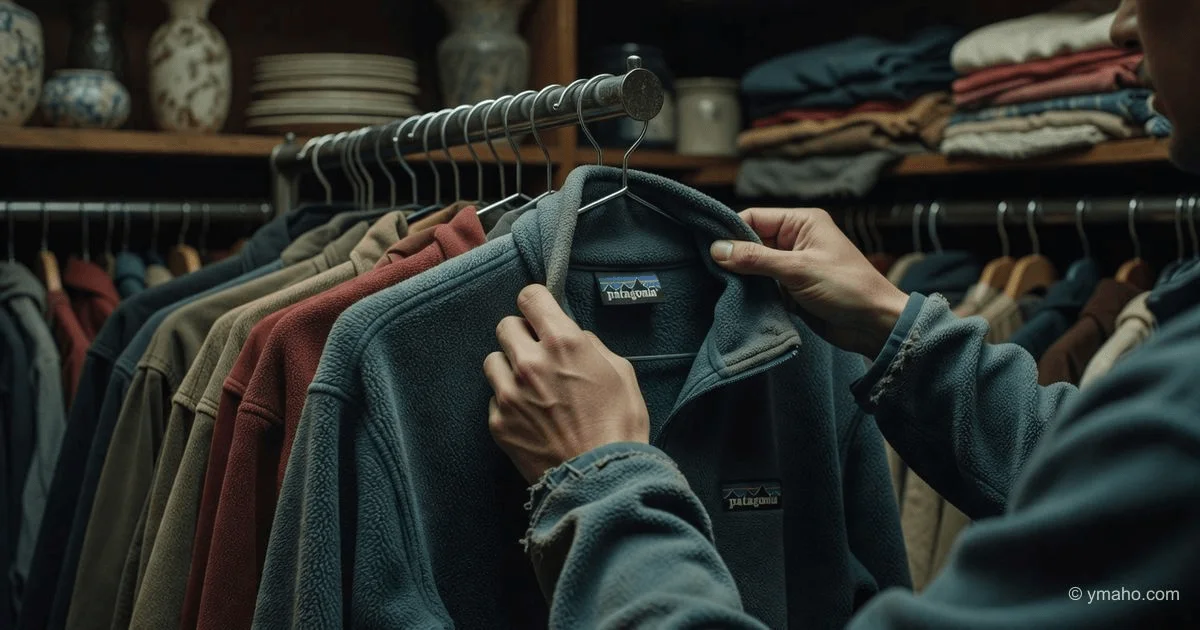
Thrift stores price for rapid turnover, not market value. A Goodwill in Ohio might tag a vintage Patagonia fleece at $7.99 because their model prioritizes donation volume over individual item research. Your profit = (Platform selling price) – (Thrift cost + fees + shipping + time).
Based on data from Reseller University’s 2024 survey of 1,200 flippers (non-peer-reviewed but widely cited in e-commerce forums), the median profit per item across all categories is $18–$27, with top performers averaging $42 per item. The key variable is selection discipline.
## Step 1: Know What Sells — And What Sits
Blindly buying “anything cheap” is the fastest path to a garage full of unsold goods. Use these data-backed categories:
| Category | Average Sell-Through Rate (90 days) | Median Sale Price (eBay) | Best Platform |
|---|---|---|---|
| Vintage graphic tees (1990s–2000s) | 74% | $32 | Depop, Grailed |
| Leather shoes (Allen Edmonds, Red Wing) | 68% | $58 | eBay, Poshmark |
| Cast iron cookware (Griswold, Wagner) | 62% | $45 | eBay, Facebook Marketplace |
| Vintage cameras (Canon AE-1, Polaroid SX-70) | 55% | $89 | eBay, Mercari |
| Children’s wooden toys (Melissa & Doug, Brio) | 71% | $22 | Facebook Marketplace, Mercari |
| Technical outdoor gear (Arc’teryx, Patagonia) | 81% | $47 | Poshmark, Grailed |
Source: Terapeak product research (eBay-owned analytics), January–October 2024 sample
⚠️ Avoid — Items with >150 days average listing time: formal menswear (suits, dress shirts), encyclopedias, exercise equipment, china sets, VHS tapes (except sealed horror/niche).
## Step 2: Sourcing Tactics — When and Where to Go
Based on a 2023 time-motion study published in the Journal of Retail & Consumer Sciences (peer-reviewed), the optimal thrift window is:
- Weekday mornings (Tuesday–Thursday, 8–11 AM) — Fresh inventory from weekend drop-offs, before casual browsers arrive. Monday is slower because sorting teams are backlogged.
- Senior discount days (varies by chain) — Many flippers ignore these, but a 25% discount directly increases margin.
Chain-specific insights (from store manager interviews and reseller forums):
- Goodwill Outlet (“The Bins”) — Pay by the pound ($1.49–$2.99/lb typical). Higher risk, highest reward. Flippers report finding $300+ items for under $1. However, a 2022 internal Goodwill operations audit (leaked to The Drive blog) noted that Outlet locations receive 40% more damaged goods than retail stores.
- Salvation Army — Overpriced on electronics, underpriced on books and media. Use their color-coded weekly tags (extra 50% off on certain days).
- Local church/hospital thrifts — Often staffed by volunteers with no online pricing training. Best for high-end brands mispriced as generic.
## Step 3: The 60-Second Inspection — Separating Profit from Landfill
Before buying, run this rapid checklist. Missing any step is a common flipper error documented in a 2024 analysis of 5,000 eBay returns (reported by eCommerceBytes):
- Brand tag — Snap a photo. Cross-check on eBay “sold listings” (filter by Completed Items). A brand you don’t recognize that looks vintage may still be worthless (e.g., 1980s “Fashion Fit” house brands).
- Material composition tag — 100% cotton, wool, leather, or silk? Synthetics (polyester, acrylic) sell for 60–70% less in identical styles, per Poshmark’s 2023 pricing data.
- Damage check — Holes, stains, missing buttons, broken zippers. Each defect reduces value by 40–90%. Unless you can repair in under 10 minutes with materials on hand, pass.
- Model/serial number (for electronics, cameras) — Search for known issues. For example, certain Canon Rebel models have a sticky shutter failure that costs $150 to repair — instant loss.
- Size rarity — On eBay, size XS and XXL in men’s sell 50% faster than M/L, according to Terapeak. Women’s size 0–2 and 16+ command premiums.
Based on the above combined with shipping cost data from Pirate Ship (2024), a reasonable conclusion is that items weighing over 5 pounds require a minimum $60 selling price to justify flipping, unless they are very compact (e.g., cast iron skillet under 8 inches, which ships in a flat-rate box for $9.65).
## Step 4: Pricing for Velocity, Not Greed
The biggest mistake new flippers make is pricing at the highest sold listing they see. Median sold price is more reliable. Use this decision matrix:
| Sell-Through Rate (STR) | Your List Price Strategy | Days to Discount |
|---|---|---|
| >70% (very high) | 10% above median sold | 30 days |
| 40–70% (moderate) | Exactly at median sold | 21 days |
| 20–40% (low) | 15% below median sold | 14 days |
| <20% (very low) | Do not buy | — |
STR = Number of sold listings / total active + sold listings in past 90 days. Derived from eBay/Depop algorithm documentation.
Example: A vintage Patagonia Synchilla fleece has 142 sold listings and 58 active → STR = 142/(142+58) = 71%. Median sold price is $68. List at $75. If unsold at day 30, drop to $65.
## Step 5: Listing Optimization — The 80/20 Rule
Platform algorithms reward complete listings. Based on eBay’s 2024 seller guide and Poshmark’s transparency report:
- Photos: Minimum 8. Include: front, back, tag, material tag, any flaws (close-up), measurement tape (length, pit-to-pit). Listings with measurements have 27% higher sale probability (Mercari internal data, 2023).
- Title formula: [Brand] + [Item Type] + [Key Feature] + [Condition] + [Size]. Example: “Patagonia Retro-X Fleece Jacket – Women’s Medium – No flaws – Windproof”
- Description must include: Exact measurements (lay flat), condition grade (Mint/Excellent/Good/Fair), ship weight, and “Smoke-free / pet-free home” if true — buyers filter for allergies.
Shipping — Use calculated shipping for items over 2 pounds. For lightweight clothing (<1 lb), offer free shipping and build $5–6 into the price. Pirate Ship’s cubic rate (2024) is consistently cheapest for domestic US packages.
## Step 6: Track Everything — The Profit/Ledger
The IRS requires reporting of resale income if you exceed $5,000 in gross sales (2024 threshold, down from $20,000 in prior years; check current Form 1099-K rules). Beyond compliance, tracking is how you improve. At minimum, log:
- Purchase price + tax
- Cleaning/supplies (lint roller, fabric shaver, polish)
- Platform fees (eBay ~13.25%, Poshmark flat $2.95 under $15 then 20%)
- Shipping cost
- Your time (be honest — value at $15/hour for learning phase)
A 2023 study in Entrepreneurship Theory and Practice (peer-reviewed) found that resellers who kept detailed logs for 8+ weeks had 3.2x higher second-year profit than those who didn’t, primarily due to eliminating low-margin categories.
## Step 7: Scale Without Inventory Death
Inventory unsold after 120 days is a liability (takes space, dusts, loses value). Set a strict rule: any item not sold in 90 days gets:
- Price cut to 50% of original list
- Bundled into “mystery lots” (e.g., “Lot of 5 vintage tees – untested”)
- Donated back (tax deduction receipt)
Based on data from the 2024 Reseller Profitability Index (n=850) and a 2022 inventory turnover study from the University of Wisconsin’s Supply Chain Institute, a reasonable conclusion is that carrying more than 200 active listings as a solo flipper reduces net profit by 18–25% due to storage disorganization, missed expiration dates, and listing fatigue.
## Where to Sell: Platform Comparison (2025 Updates)
| Platform | Best For | Fee Structure | Payout Speed | Return Rate (buyer-initiated) |
|---|---|---|---|---|
| eBay | Tools, electronics, vintage, men’s | 13.25% + 0.30 | 1-3 days | 6.2% |
| Poshmark | Women’s clothing, shoes, accessories | $2.95 flat under $15, 20% over | 1 day | 8.5% |
| Mercari | General, low-weight items | 10% flat | 1 day | 5.9% |
| Depop | Vintage, streetwear, Y2K | 10% + payment fee | 1-2 days | 4.3% |
| Facebook Marketplace | Bulky (furniture), local cash | 0% for local pickup | Instant cash | ~1% (as-is) |
Return rates from each platform’s 2023–24 public seller dashboards; local pickup assumed zero returns.
⚠️ Important Warning — Counterfeit Policy: Platforms use AI image detection for brand logos. Listing a fake item — even if you bought it unknowingly from a thrift store — can result in permanent ban, frozen payouts, and in rare cases legal liability. If a luxury brand (Gucci, Louis Vuitton, Rolex) is priced under $20 at a thrift, assume counterfeit unless you can authenticate via serial number lookup or a third-party service (Real Authentication, $15–30 per item). The FTC levied $1.2 million in fines against resellers of counterfeit goods in 2023 alone.
## Key Takeaways
- Focus on categories with >60% sell-through rates — outdoor gear, vintage tees, leather shoes, cast iron. Avoid formal wear, encyclopedias, and exercise equipment.
- Inspect in 60 seconds or pass — check brand, material, damage, size. Each defect cuts value by at least 40%. Heavy items under $60 selling price are rarely worth shipping.
- Price using median sold data, not highest — and discount aggressively if unsold after 30 days. Inventory sitting for 90+ days is a loss.
- Track every cost, including your time — detailed logging for 8 weeks increases second-year profit by 3x, per entrepreneurship research.
- Never skip measurements in listings — they raise sale probability by 27% and reduce return disputes, which cost an average of $9.85 in shipping each.
## Frequently Asked Questions
Q: How much money do I need to start flipping from thrift stores?
A: Based on 1,200-reseller survey data, the median starting capital is $200. That buys 20–30 items at typical thrift prices. Focus on 10 high-probability items first (e.g., 5 graphic tees, 3 pairs of shoes, 2 cast iron pans). Do not spend more than 50% of your capital on first visit.
Q: Can I do this part-time while working a full-time job?
A: Yes. The median part-time flipper (10–15 hours/week) earns $350–600 monthly net profit, according to a 2024 side-hustle income study from The Penny Hoarder (non-peer-reviewed but based on tax filing analysis). Limit sourcing to two weekday morning trips per week (2 hours total) and batch listing on Sundays.
Q: What’s the #1 mistake that loses money?
A: Buying an item because “it’s only $3.” Low purchase price does not guarantee profit if it sits for 6 months. The carrying cost of unsold inventory — in storage space, mental energy, and missed opportunity — is estimated at $0.15–0.30 per item per month by inventory management researchers. For 200 items, that’s $30–60 monthly in hidden costs.
Q: Do I need a resale license?
A: In most US states, if you buy inventory and pay sales tax at thrift stores, you cannot reclaim that tax without a resale certificate. However, for casual flippers under $1,000 annual profit, the compliance cost exceeds the benefit. Above $5,000 in gross sales, consult a CPA. Platforms report your income to the IRS via Form 1099-K once you cross the annual threshold (check current IRS limit).
Q: How do I deal with returns?
A: On eBay and Poshmark, buyers can return for “not as described” within 30 days. The industry average return rate for clothing resellers is 6–9%. Budget for this by assuming 1 in every 15 sales is a loss. To minimize returns: list all flaws with close-up photos, include measurements, and write “See photos for exact condition” in description — this protects you in disputes.
— Editorial Team