Euro Reaches 52 Hryvnias: Why Ukraine’s Currency Plunge Is Worrying the World
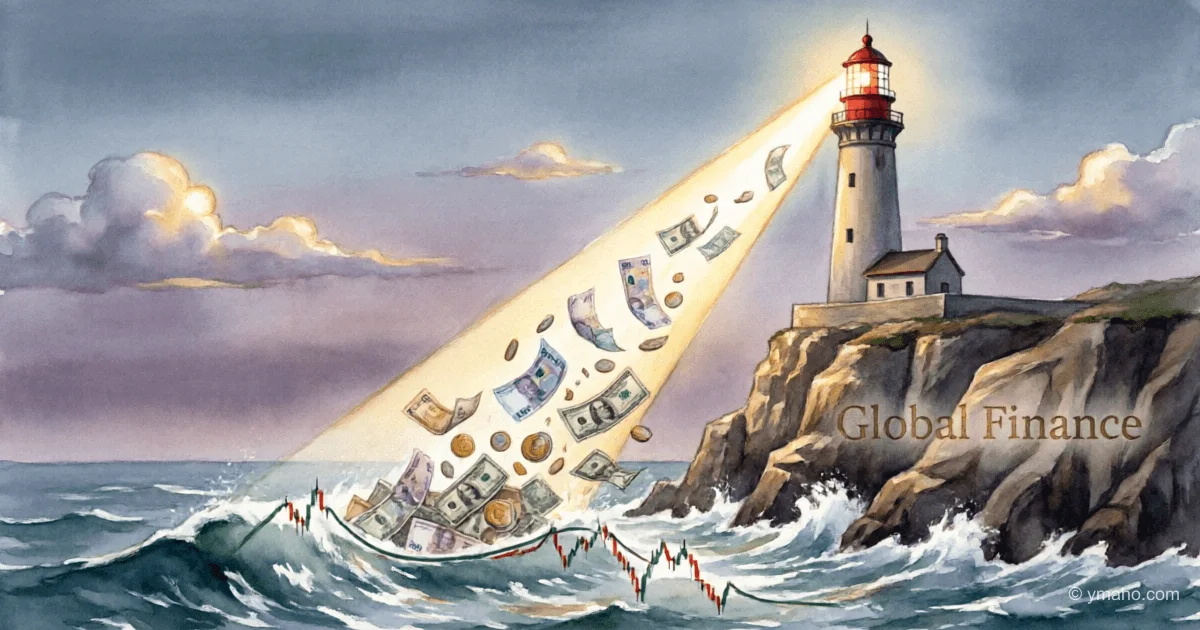
For the first time in history, the euro has approached 52 hryvnias per unit, while the US dollar strengthened to 44.10 UAH. At first glance, this looks like a localized issue for Ukraine. In reality, however, fluctuations in the hryvnia act as a warning beacon, alerting the entire world to rising financial risks. Why? Because when a nation’s currency at war depreciates, it sends a clear signal: investors are fleeing to the US dollar and gold. That kind of capital flight can shake markets from New York to Tokyo.
Why Has the Hryvnia Fallen for Three Consecutive Days?
On April 21, the National Bank of Ukraine set a new benchmark rate: 1 euro = 51.89 UAH, and 1 US dollar = 44.10 UAH. This marks the third straight day that the euro has hit historical highs. So what’s driving this?
It’s not just about the war. Yes, the conflict is undermining Ukraine’s economy, shrinking exports, and ballooning defense spending. But there’s a major global factor at play: the US Federal Reserve is keeping interest rates elevated. This makes dollar-denominated assets significantly more attractive. Think of the dollar as a powerful magnet. When the magnetic pull strengthens (as rates rise), it draws capital from across the globe, including away from Ukraine. The hryvnia, like many emerging market currencies, is losing its footing.
Additionally, international aid to Ukraine has faced occasional delays. When those funds stall, the National Bank of Ukraine loses its crucial buffer for supporting the hryvnia. Without that steady stream of dollars and euros, the regulator struggles to stabilize the exchange rate, leaving the currency to slide.
How Does This Impact the Global Economy?
A weakening hryvnia isn’t just a Ukrainian concern; it’s a barometer for global investor sentiment. When currencies like this come under pressure, it often signals that investors are rushing toward “safe havens” — the US dollar, the euro, or gold. It’s similar to how people seek shelter during a thunderstorm: everyone wants to be in the most secure spot available.
For everyday people outside Ukraine, this could mean:
- Higher food prices. Ukraine is one of the world’s top exporters of wheat and corn. A weaker hryvnia technically makes Ukrainian exports cheaper for buyers paying in dollars. Sounds positive, right? But if the currency’s decline is fueled by fears of war escalation, it could severely disrupt supply chains. A similar scenario in 2022 triggered a global spike in bread prices.
- Stock market volatility. If the hryvnia’s weakness becomes part of a broader capital exodus from emerging markets, it could spark widespread stock sell-offs. As investors pull back from riskier assets, your retirement portfolio (if heavily weighted in equities) could see temporary dips.
- A stronger US dollar. The more countries lose ground in the currency race, the more dominant the dollar becomes. This makes importing goods more expensive for numerous nations, including Russia, Turkey, and Latin American countries. Ultimately, even if you’re living in Germany or Japan, the cost of imported products could climb.
Key Takeaways
- The hryvnia is under pressure due to the war, but the primary driver is the Fed’s global monetary policy. High US interest rates make the dollar far more appealing.
- While a weak hryvnia might theoretically lower the cost of Ukrainian exports, the risks outweigh the benefits: grain supply disruptions send shockwaves worldwide.
- For investors, declining emerging market currencies serve as a red flag. If this trend spreads, it could trigger a broader global financial shock.
What Does This Mean for Everyday People?
If the hryvnia continues to slide, expect increased pressure on grocery store shelves — particularly for bread and sunflower oil. Economic instability radiating from Ukraine rarely stays contained: the 2014 ruble collapse rattled European banks, and the 2022 crisis sent natural gas prices soaring. Today, every economic signal from Ukraine serves as a reminder that our global economy is deeply interconnected. That said, there’s no need to panic: we’re still operating within expected parameters, and central banks are prepared to step in if necessary.
— Editorial Team









