How the Iran War Hits Your Wallet: Trump vs. the Energy Secretary
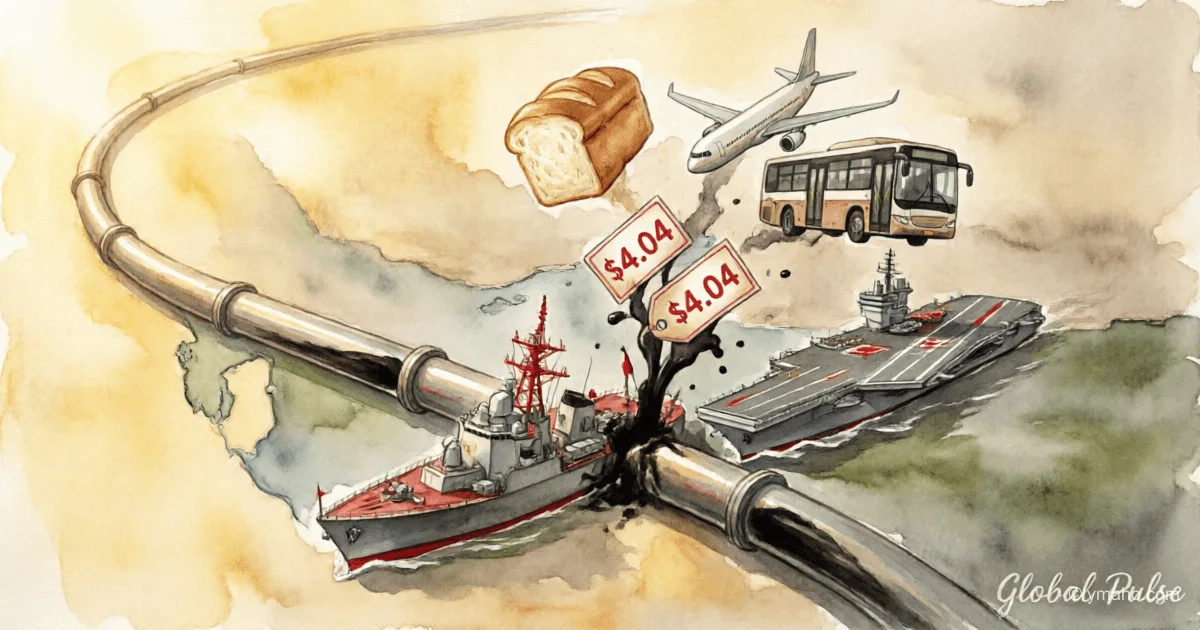
Imagine filling your gas tank not at a local pump, but directly from a global oil valve. Right now, that valve has been partially closed due to tensions in the Persian Gulf, sending U.S. gasoline prices soaring past $4 a gallon. President Trump and his own Energy Secretary are clashing over when this will end, and their disagreement affects more than just American fuel costs—it impacts the price of your groceries, airline tickets, and even bread. Why? Because 20% of the world’s oil flows through the Strait of Hormuz, which Iran has effectively shut off like a main shutoff valve on the planet’s primary oil artery.
Why Has Gas Become So Expensive?
Oil is the lifeblood of the global economy. When a bottleneck forms in its “arteries”—specifically the Strait of Hormuz—the entire system feels the strain. Iran has restricted passage through this narrow waterway between Oman and Iran, where roughly 17 million barrels of oil pass daily. Picture blocking the only highway delivering groceries to your town: stores immediately raise prices because trucks can’t make it. The same principle applies here. Gasoline, airfare, and even bread prices climb because fuel is essential for freight transport and farming equipment.
Currently, the average U.S. gas price sits at $4.04 per gallon (about 3.8 liters). A year ago, it was $3.15. This isn’t just a minor bump—every extra dollar added to the gallon price translates to roughly $100 in additional annual driving costs for an average household. Since oil influences everything from plastics to fertilizers, inflation is creeping upward worldwide.
An Endless Conflict: Who’s Right, Trump or the Secretary?
President Trump claims prices will drop “immediately after the conflict with Iran concludes.” He estimates the military campaign will last 4–6 weeks. However, hostilities began on February 28, and by April 20, U.S. forces had seized an Iranian vessel attempting to break the blockade. That means the standoff has already stretched two months and continues to intensify.
His Energy Secretary, Chris Wright, told CNN that prices below $3 a gallon might not return until 2025. Trump dismissed this as “completely wrong.” Yet the president himself previously stated that prices would remain elevated until November—just months before the election. It appears there’s no consensus even within the White House: some expect a quick market correction, while others brace for a prolonged crisis.
Key takeaways:
- The Strait of Hormuz is blocked, halting 20% of global oil shipments
- U.S. gas prices have surged 28% over the past year
- The conflict impacts markets far beyond the U.S., affecting Europe and Asia
- Trump and his cabinet officials are issuing conflicting forecasts
- Pakistan is attempting to broker negotiations between the parties
Why Does This Matter Globally?
An oil crisis acts like a stone dropped in a pond: ripples spread far beyond U.S. and Iranian borders. For instance:
- Europe relies on Iranian oil through third-party suppliers. If deliveries tighten, winter heating bills will spike.
- Asia (particularly China and India) imports 70% of its oil by sea. The Strait of Hormuz is their lifeline. Even minor delays drive up the cost of consumer goods.
- Smaller nations bear the brunt: a mere 10% jump in oil prices can trigger food shortages, as these countries dedicate a massive share of their budgets to fuel imports.
When oil prices climb, it’s like activating a universal surcharge on everything—from bus fares to yogurt packaging. Even if you don’t own a car, you’re still paying for it at the checkout counter.
What Does This Mean for Everyday Consumers?
Your expenses will rise beyond just fuel. Airfares, groceries, and shipping costs will all tick upward since they rely on transportation networks. If the conflict drags on, central banks may hike interest rates to curb inflation. That makes borrowing more expensive: mortgages, auto loans, and even store installment plans will cost more.
On the brighter side, steep fuel costs accelerate the shift toward electric vehicles and solar power. Within a year or two, we may find ourselves less vulnerable to oil-driven shocks. Until then, the best defense is to conserve fuel: combine errands, opt for public transit, and keep tires properly inflated.
— Editorial Team









