A War Far Away Shuts Down Factories in India, Showing How Global Crises Connect
A conflict in the Middle East has unexpectedly shut down hundreds of factories in a small Indian town, forcing thousands of workers to leave their jobs and return home. This shows how a disruption in one part of the world can ripple across the globe, affecting everyday lives and local economies in surprising ways.
Morbi, a town in western India, is the country's main hub for making ceramic tiles, toilets, and bathtubs. About 80% of India's ceramics come from here. The industry relies on a steady supply of propane and natural gas to fire its kilns—the giant ovens that bake clay into finished products. Recently, that supply was cut off.
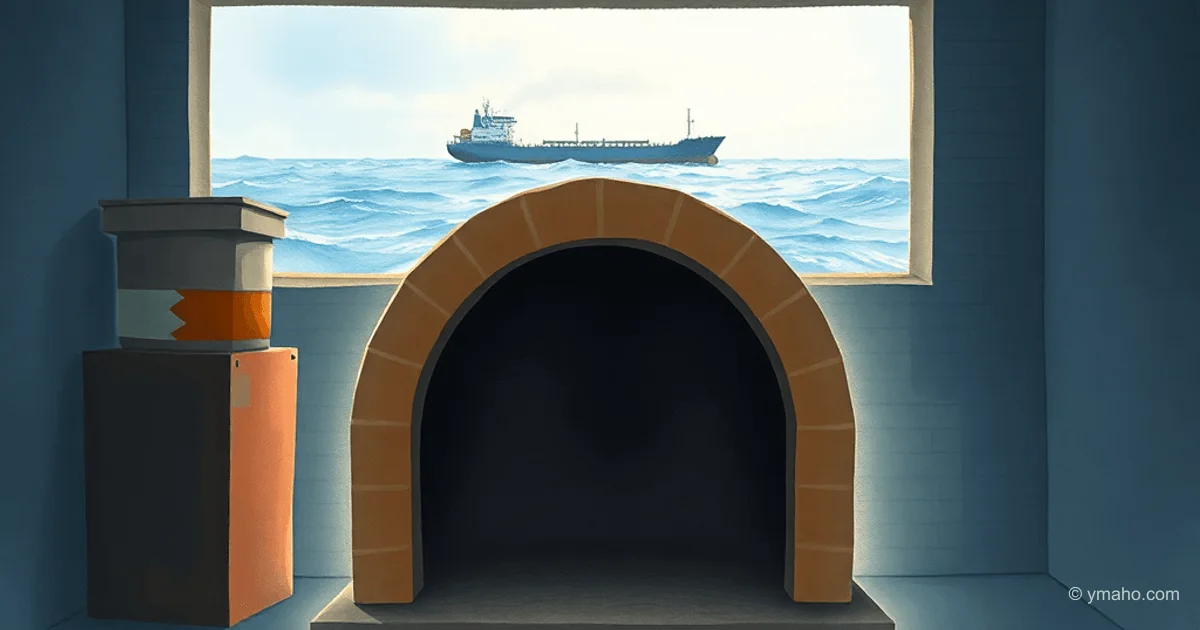
The shortage happened because of a war between the United States, Israel, and Iran. A key shipping route called the Strait of Hormuz, where much of the world's fuel passes through, was disrupted. Think of it like a major highway suddenly being closed. Trucks can't get through, so goods don't arrive. In this case, the "goods" were the propane gas Morbi's factories needed to operate.
The Immediate Impact: Closed Doors and Empty Streets
Without gas, the kilns cannot run. Without running kilns, there is no production. The result was swift and severe.
- Out of more than 600 ceramic companies in Morbi, at least 450 were forced to shut down completely.
- These closures directly impacted roughly 200,000 workers.
- Many of these workers are migrants who moved from poorer states like Uttar Pradesh and Bihar for these factory jobs. With no work, over a quarter of them have already packed up and returned to their hometowns.
For a worker like Pradeep Kumar, this meant losing his job overnight. He had to take his wife and three children back to his village, unsure when he might work again. The local economy, valued at about $6 billion, has stalled. Exports worth $1.5 billion to countries in the Middle East, Africa, and Europe are now delayed or halted.
A Hidden Crisis Within the Crisis
The factory shutdown exposed another, longer-standing problem: the health of the workers. Many laborers in Morbi develop a lung disease called silicosis from breathing in fine dust from sand and quartz. Silicosis is incurable; it slowly damages the lungs and can be fatal. It's one of the oldest job-related diseases in the world.
Ankur Singh returned home not just jobless, but with a diagnosis of silicosis. He had ignored frequent fever and cough while working. Harish Zala, who worked in ceramics for two decades, was diagnosed two years ago and had to quit immediately. He says at least one worker dies from this disease in each company every year.
Labor activists point out that many companies do not follow safety rules, provide protective gear, or even give workers official proof of employment like appointment letters. This lack of documentation makes it hard for workers to claim their legal rights or social security benefits, leaving them vulnerable even after years of service.
The Human Cost Beyond Lost Jobs
For those still in Morbi, like Sushma Devi, life is about waiting and surviving. Her son's company has promised shelter and food while waiting for production to resume. She collects discarded wood daily to cook her family's two meals. Others, like Kumar back in his village, are running out of savings and fear falling into debt, borrowing money for basic house repairs with no clear way to repay.
The association of manufacturers initially hoped the crisis would be short-lived, shutting units until mid-April. While about 100 factories have reopened, most haven't started manufacturing again. The switch from propane to available natural gas is costly, and many owners are hesitant to call back their scattered workforce until they are sure production can restart sustainably.
Key Takeaways
- Global supply chains are fragile: A geopolitical conflict disrupting a single shipping route can stop production in an unrelated industry thousands of miles away.
- Migrant workers are particularly vulnerable: Economic shocks often force them to abandon their livelihoods and return home, with no safety net.
- Occupational health risks persist: Economic crises can expose underlying worker safety issues, like the widespread silicosis in Morbi's ceramics industry.
- Local economies have global dependencies: A town specializing in one product can be highly dependent on imported materials, making it sensitive to international events.
What does this mean for regular people?
This story is a reminder that events on the world stage—like wars or trade disruptions—can have very real, direct consequences for ordinary workers and families in seemingly unrelated places. It also highlights how specialized local economies, while successful, can be vulnerable to shocks in global supply chains. For consumers, such disruptions can eventually lead to shortages or higher prices for everyday goods, from bathroom tiles to kitchen sinks.
— Editorial Team









