Philippines Cracks Down on Crypto Platforms: Seven Exchanges Face Criminal Charges
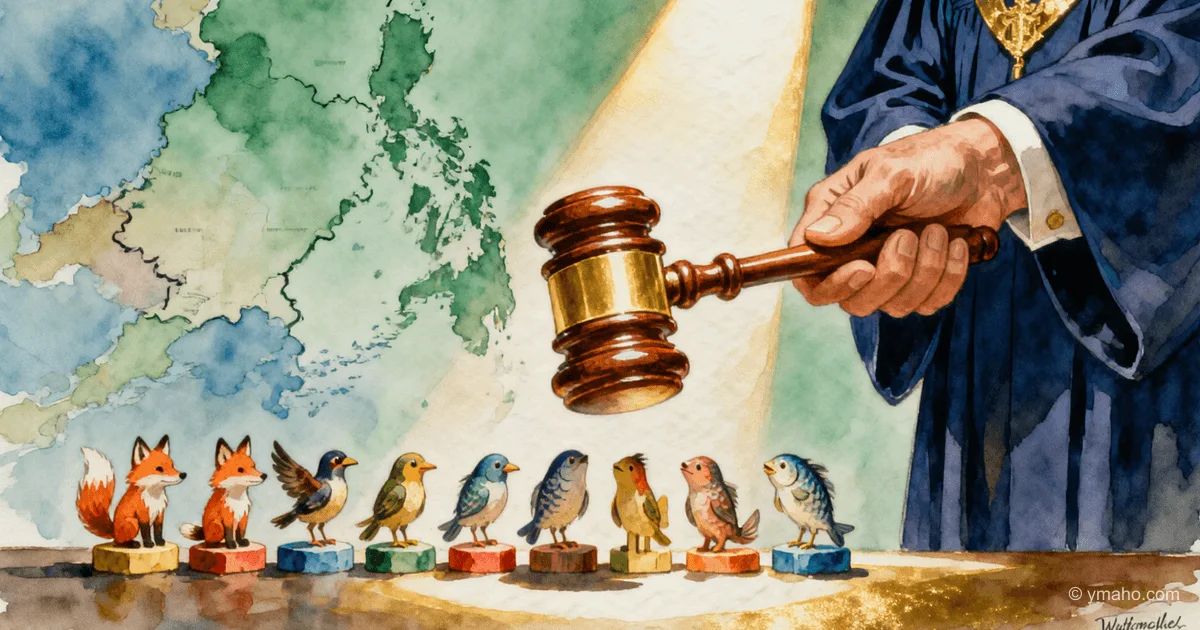
The Philippine Securities and Exchange Commission (SEC) has warned seven cryptocurrency platforms, including dYdX, Aevo, gTrade, Pacifica, Orderly, Deriv, and Ostium, that they are operating illegally in the country. The agency stated that these services are not registered and lack a license to solicit funds from local traders. Violators face hefty fines and even imprisonment.
Why This Matters
The Philippines is one of Southeast Asia's fastest-growing crypto markets. Many locals use digital assets for remittances and savings. The SEC's actions show that authorities intend to strictly regulate the industry, protecting investors from illegal schemes. This could lead to blocked access to popular platforms and increased pressure on crypto exchanges.
Which Platforms Are Under Fire?
The list includes both decentralized exchanges (DEXs) and centralized services:
- dYdX — a decentralized derivatives trading platform.
- Aevo — a platform for options and futures trading.
- gTrade — a social trading network.
- Pacifica — a crypto exchange focused on Asia.
- Orderly — a liquidity protocol.
- Deriv — a platform for trading contracts for difference (CFDs).
- Ostium — a DeFi protocol for trading real-world assets.
All these services are not registered as Virtual Asset Service Providers (VASPs) in the Philippines, which violates local law.
What Are the Penalties?
Under Philippine securities laws, operators of illegal platforms face:
- A fine of up to 5 million Philippine pesos (about $89,000).
- Imprisonment of up to 21 years.
- Criminal liability for individuals advertising these platforms.
The SEC also warned that it may ask internet service providers to block access to these sites, as was done with Coinbase and Gemini in December last year.
What Happened Before?
The Philippines has been steadily tightening control over the crypto market:
- August 2024: The SEC accused OKX, Bybit, KuCoin, and Kraken of illegal activities.
- 2024: The agency demanded that Google and Apple remove the Binance app from their stores, calling the exchange an unregistered broker.
- December 2024: Providers blocked Coinbase and Gemini.
These measures show a systematic approach: authorities aim to bring crypto businesses into the legal fold, requiring registration and compliance with local regulations.
Key Takeaways
- Seven crypto platforms, including dYdX and Aevo, have been declared illegal in the Philippines.
- Violators face fines of up to $89,000 and up to 21 years in prison.
- The Philippines has already blocked Coinbase, Gemini, and Binance.
- The regulator intends to protect investors from unlicensed services.
- Other Southeast Asian countries may follow suit.
What This Means for Everyday Users
For Filipino traders, this means access to popular crypto platforms may be restricted. If you use dYdX, Aevo, or other services on the list, be prepared for potential blocks. Authorities advise using only registered platforms to avoid losing funds and facing legal issues. In the long run, such measures could make the crypto market safer, but temporarily limit choices.
— Editorial Team









