1.7 Million Bitcoins Under Threat: What Is a Quantum Attack and Why Does It Matter?
If powerful quantum computers ever emerge, they could steal up to 1.7 million bitcoins—nearly $100 billion at today’s prices. This isn’t science fiction; it’s a real risk for older wallets created before 2013. And although such computers don’t exist yet, experts are already debating how to secure the network.
What Is a Quantum Attack? Explained Simply
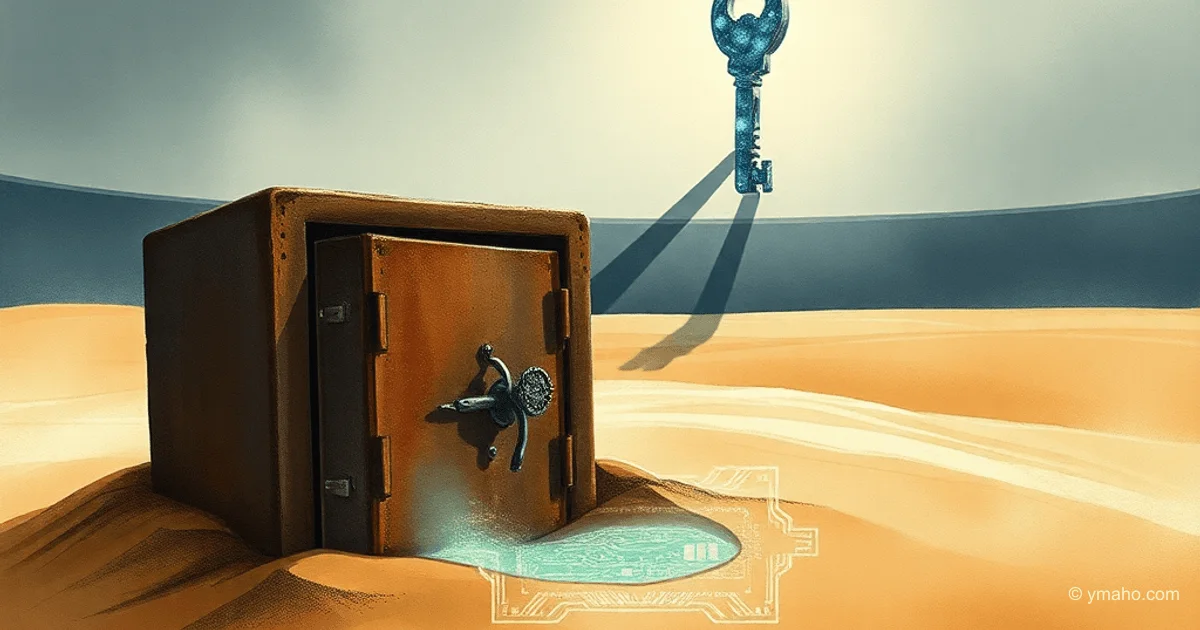
Imagine your bitcoin is stored in a safe, with the key being a long number—the private key. To gain access, you’d need to solve an incredibly complex mathematical problem. Today’s computers couldn’t crack it in a million years. But a quantum computer is like a super-smart hacker that can find the key in just hours or days.
Fortunately, most modern wallets obscure this key so well that even if an attacker sees part of the data on the blockchain, they still can’t reconstruct the full key. However, there’s an exception: very old P2PK (Pay-to-Public-Key) addresses, where the public key is exposed directly in the transaction. These are the vulnerable ones.
Why Are We Talking About 1.7 Million BTC?
Charles Hoskinson, founder of Cardano, has calculated that roughly 1.7 million bitcoins are held in these outdated addresses. Many of them are among the first coins mined by Satoshi Nakamoto and early enthusiasts. These wallets were created before the introduction of BIP-39 in 2013, which brought about seed phrases—those 12 or 24 words that allow you to recover access.
Without a seed phrase and without modern wallet architecture, these funds cannot be safely transferred to new addresses. And if they aren’t moved ahead of time, they’ll become easy prey once a quantum computer becomes available.
An Attempt at Protection: BIP-361 and Its Challenges
The Bitcoin community has proposed a solution: BIP-361. The initiative suggests “freezing” vulnerable coins unless their owners move them to quantum-resistant addresses by a specific deadline. After that, the assets could only be unfrozen through a special recovery process.
However, Hoskinson views this plan as unrealistic:
- Many owners no longer have access to their old wallets (lost passwords, discarded hard drives).
- Even if they wanted to transfer the coins, it’s technically impossible without the private key.
- Modern recovery methods, including zero-knowledge proofs, don’t work with the architecture from those early days.
Another expert, Samson Mow (founder of Jan3), adds that rushing to implement protection could itself harm the network. Any change to Bitcoin’s code carries the risk of bugs or a split.
Key Takeaways
- Only old P2PK addresses are vulnerable, where the public key is visible on the blockchain.
- The threat won’t materialize until the 2030s—at least not until quantum computers of sufficient power are built.
- 1.7 million BTC represent about 8% of the total supply, but many of these coins may already be lost forever.
- BIP-361 is a controversial proposal: it doesn’t account for the technical limitations of early wallets.
- Experts aren’t calling for panic, but they urge caution whenever making changes to the protocol.
What Does This Mean for Ordinary People?
If you use a modern wallet (Ledger, Trezor, Exodus, etc.) and have never sent BTC from an address that was used solely for receiving, your coins are safe. The quantum threat applies only to historical assets, many of which are likely already inaccessible to their owners.
The main lesson here isn’t about money—it’s about technology: even the most reliable systems grow outdated over time. Bitcoin is a living project, and its community is already thinking about future challenges. But any changes must be meticulously planned, because a single mistake could cost billions.
— Editorial Team









