Why Russia's Oil Exports Dropped — And Why It Still Benefits the Kremlin
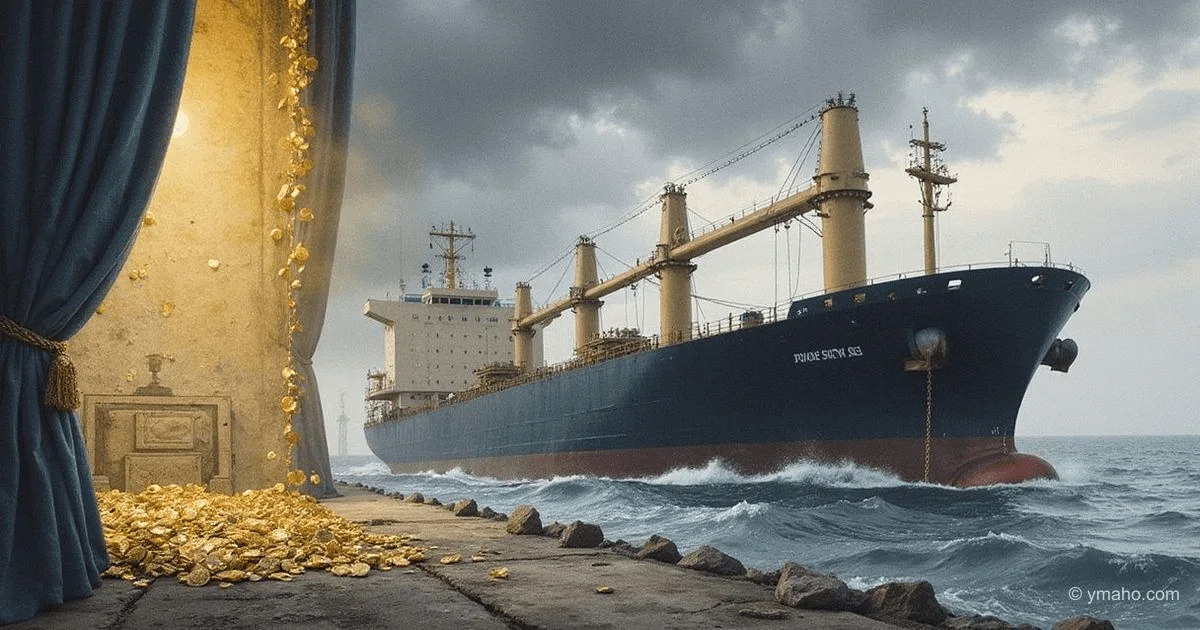
From mid-March to mid-April 2026, Russia exported an average of 3.22 million barrels of oil per day—its lowest level since August 2025. The decline stems from damage to a key terminal in Novorossiysk following an attack early in April, which left it idle for nearly five days.
Yet here’s the paradox: despite lower volumes, Moscow’s revenue from oil sales is rising. In that same week, Russia earned $2.29 billion—more than the previous week. The reason? Prices. The price of Russian Urals crude surged to nearly $96 per barrel (around $94 in the Black Sea), while oil delivered to India is now selling for as much as $126.
It’s like selling fewer apples but raising prices so high you earn more overall. The real challenge? Finding buyers willing to pay.
Who’s Buying Russian Oil Now?
The main buyers remain unchanged: China, India, and Turkey. But increasingly, tankers are hiding their final destinations. Instead of listing actual ports, they use placeholders like "Port Sudan" or "Suez"—just as intermediate stops. This makes tracking shipments nearly impossible.
Additionally, after a temporary easing of U.S. sanctions in March 2026, new buyers have emerged: Vietnam, Thailand, the Philippines, Indonesia, and Sri Lanka. These nations aren’t under Western sanctions and are willing to buy at a discount—though in reality, that discount vanishes due to soaring transport and insurance costs.
Here’s how Russian oil logistics have changed:
- Previously: Direct shipments to Europe via the Baltic and Black Seas.
- Now: Long routes to Asia with transshipments, shadow tankers, and falsified documentation.
- Price: Lower on paper, but higher in practice due to added expenses.
What Matters Most
- Russia’s daily oil exports dropped to their lowest since August 2025—3.22 million barrels.
- Export revenues are rising thanks to higher prices—over $2.2 billion in one week.
- Key buyers include China, India, Turkey, and emerging Asian markets.
- Many tankers obscure final destinations, making supply monitoring extremely difficult.
- Sanctions are partially effective: they complicate logistics but haven’t stopped sales.
What This Means for You
If you fill up your car, buy plastic goods, or fly regularly—oil prices affect your wallet. Rising global prices can push up fuel and consumer goods costs even in countries that don’t directly import Russian oil.
Moreover, as Russia continues to rake in billions from oil exports, it maintains funding for its war effort. This isn’t just about energy—it’s about global geopolitical stability. The longer the Kremlin profits from oil, the longer it can sustain military operations.
Yet sanctions and infrastructure attacks are having an impact: shipments are down, logistics are harder, and risks for buyers are growing. The world is slowly but surely reshaping supply chains—and that’s transforming the global economy.
— Editorial Team









