Stablecoins — A Quiet Threat to American Banks?
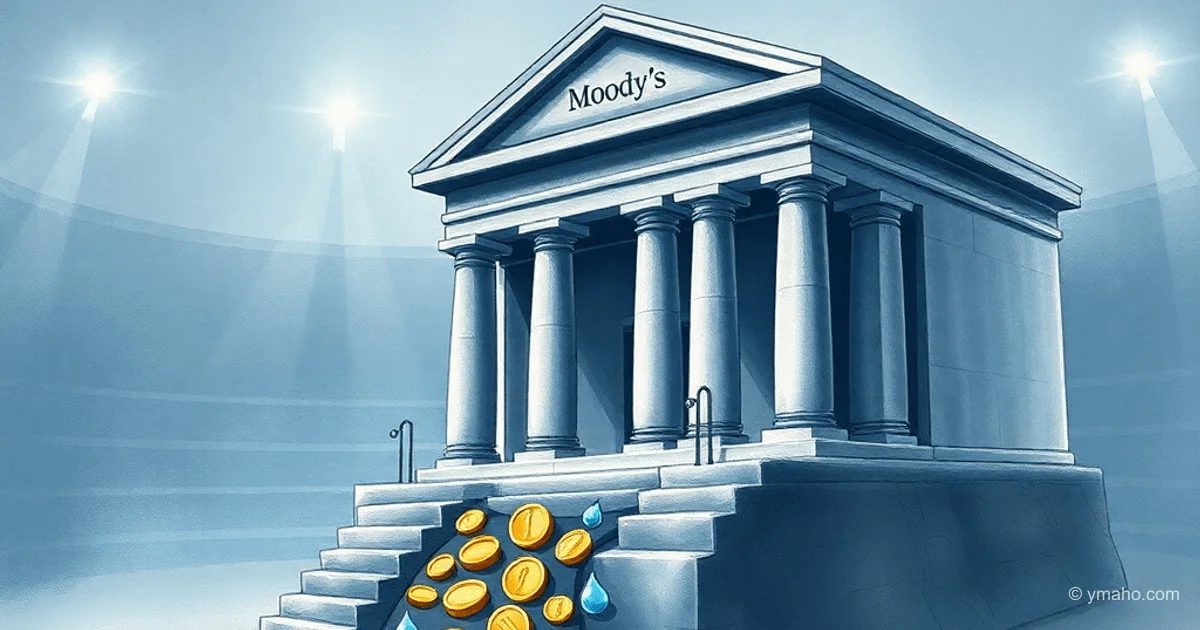
American banks aren’t trembling yet, but analysts warn: stablecoins could gradually erode their foundation — deposits. This isn’t a loud crisis, but a slow displacement, like water that wears down stone over time.
Why Banks Are Still Safe for Now
Right now, stablecoins — digital dollars on the blockchain — don’t pose a serious threat to U.S. banks. The reason is simple: local payment systems are already fast, cheap, and reliable. Sending money via Zelle or FedNow is nearly as convenient as using a crypto wallet.
Moreover, a key restriction is in place in the U.S.: stablecoins are prohibited from paying interest ("dividends"). Without this, they can’t compete with traditional bank deposits, where people at least earn a modest return on their savings.
"At this stage, the risk of disruption to the banking sector is limited," says Abhi Srivastava from Moody’s.
It’s like a new store opening next to a supermarket — it sells only water without ice. Convenient, but not a replacement for a full product range.
What Could Change in the Future
However, the picture shifts when looking 5–10 years ahead. Here are three factors that could intensify the pressure:
- Growth of the stablecoin market: If their total value continues to rise (Chainalysis forecasts up to $719 trillion by 2035), stablecoins could become systemically significant.
- Tokenized real-world assets (RWA): Imagine bonds, real estate, or even stocks represented as digital tokens. Stablecoins would become the "fuel" for these transactions.
- Global adoption: Even if demand within the U.S. remains weak, stablecoins are already widely used abroad for remittances, payments, and savings — especially in countries with unstable currencies.
If stablecoins begin generating returns (e.g., via DeFi protocols) or become integrated into everyday payments, people may start moving money out of banks in search of greater flexibility.
How This Could Hit Banks
Banks profit from the spread between what they pay depositors and what they charge borrowers. If deposits drain away, banks lose cheap funding. This could lead to:
- Reduced profitability;
- Tighter lending conditions;
- Downgraded credit ratings (as Moody’s warns).
In other words, banks could become less resilient — not due to hackers or panic, but because of a gradual customer shift toward more modern tools.
What Matters
- Right now, stablecoins don’t threaten U.S. banks due to lack of yield and strong competition from government-backed payment systems.
- Long-term, as the market grows and tokenized assets mature, deposit outflows are possible.
- Regulators are currently curbing stablecoin expansion, but the global trend is hard to stop.
- Moody’s sees this as a systemic risk to banking stability, particularly for smaller regional banks.
- Projections of stablecoin transaction volumes exceeding $700 trillion by 2035 make this threat real, if distant.
What This Means for Ordinary People
If you keep your money in a bank — nothing changes yet. But in the future, you may have more options: storing savings not just in traditional deposits, but in digital forms that operate 24/7 and aren’t bound by banking hours. Just remember: stablecoins aren’t government-insured like U.S. bank deposits up to $250,000. New opportunities always come with new risks.
— Editorial Team









