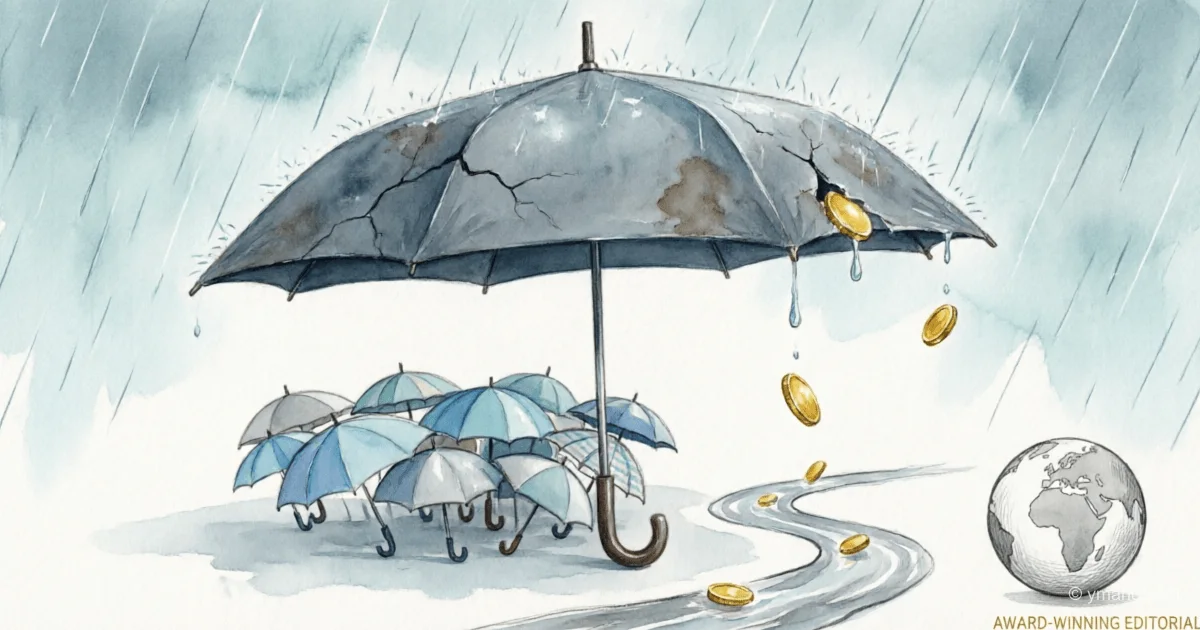
Ukrainian "Microbusinesses": How Local Tax Schemes Threaten the Global Economy
In Ukraine, the number of new individual entrepreneurs (FOPs) exceeded the number of closures by 11,297 in the first quarter of 2026. At first glance, this signals a healthy economy—people are starting businesses. In reality, however, it’s a warning sign: the surge in "microbusinesses" is frequently exploited by large and medium-sized enterprises for tax evasion, potentially weakening Ukraine at the worst possible time.
Why the Small Business "Boom" Is Misleading
According to open-source data, Ukraine registered 63,920 new FOPs between January and March this year, while 52,623 closed down. The largest increases occurred in online retail via social media and messaging apps (+2,527), education (+1,899), and consulting (+1,230). Meanwhile, FOP registrations dropped in market and street-vendor trade (–2,531) and non-specialized retail stores (–1,062).
Danillo Hetmantsev, head of the Verkhovna Rada’s tax committee, clarifies that this FOP growth isn’t tied to an economic upswing. “This is happening solely due to the widespread use of tax avoidance schemes by large and medium businesses through the unified tax system,” he stated. Imagine a large restaurant registering dozens of “microbusinesses” to sell food via delivery apps, thereby reducing its tax burden. Such practices drain state revenue needed for national defense and reconstruction.
How Ukrainian Taxes Impact the Entire World
Ukraine currently relies heavily on international aid. If tax evasion reduces domestic budget revenues, the country will have to depend more on loans and grants from Western partners. This could trigger two major consequences:
- For Donors: Western nations, already spending billions supporting Ukraine, may face mounting pressure from increased financial commitments. This could strain their own budgets and ultimately impact taxes and social programs for their citizens.
- For Global Security: Ukraine is one of the world’s top exporters of grain and sunflower oil. A weakened Ukrainian economy, driven by funding shortfalls, could disrupt global food supplies to developing nations, exacerbating hunger and instability across Africa and Asia.
Three Sectors Driving the "Microbusiness" Surge
Here are the most popular categories for new FOPs in Ukraine:
- Online Retail via Social Media and Messaging Apps: +2,527 entrepreneurs. Individuals selling goods directly without physical storefronts, leveraging platforms like Instagram, Telegram, or Facebook.
- Education: +1,899. Tutors, online course creators, and trainers—this sector continues to expand even amid ongoing conflict.
- Consulting: +1,230. Lawyers, accountants, and IT professionals registering as FOPs to serve clients independently.
Traditional business models are losing ground. For instance, market and street-vendor operations saw a decline of 2,531 FOPs. This highlights how digitalization is reshaping the economy, even under wartime conditions.
Key Takeaways
- The rise in Ukrainian FOPs reflects tax avoidance rather than genuine economic growth.
- These schemes divert critical funds away from defense and national recovery.
- International donors may face rising costs to sustain support for Ukraine.
- A financially strained Ukrainian economy poses risks to global food supply chains.
What Does This Mean for Everyday People?
If Ukraine cannot replenish its budget due to these tax loopholes, it will require increased assistance from abroad. This could lead to higher taxes or reduced social services in your home countries. Additionally, disruptions in Ukrainian grain exports could drive up prices for bread and other staples at your local grocery store.
— Editorial Team









