Iran Suspends Talks with US, Demands Cessation of Israeli Operations in Lebanon and Gaza
Tehran stated through intermediaries that dialogue is impossible until Israeli actions stop. In response to the escalation, Iran threatened a full blockade of the Strait of Hormuz and activation of other fronts, including the Bab el-Mandeb Strait.
The Quiet Counter-Sanctions Front: Why Suspending Talks with Iran Is Not Escalation, but Bargaining for the Future of Global Logistics
[The Gist]: What Is Really Happening
Headlines scream about diplomatic failure: Iran suspends talks with the US, demands a ceasefire in Lebanon, and threatens a full blockade of the Strait of Hormuz. The official reason is Israeli strikes on Hezbollah targets, which Tehran considers a direct violation of the April ceasefire regime on all fronts. However, if you read this as just another round of escalation, you miss the point.
In reality, we are witnessing not a breakdown of negotiations, but their transition into a new, far more cynical and pragmatic phase. The Iranian negotiating position, formally toughened, actually reveals their true goal: to conclude not a "peace treaty," but a temporary commercial agreement that legitimizes a new world order for passage through the Strait of Hormuz.
Tehran no longer demands the lifting of sanctions. It demands $12 billion in unfrozen assets and the right to export oil in exchange for a "quiet corridor." Amid the information noise about missile strikes on Kuwait and threats to open a front in the Bab el-Mandeb Strait, both sides have sat down at the table to count money. And here the most interesting part emerges: while politicians argue about Lebanon, traders and logisticians have already launched a "shadow gas fleet" through the strait.
Timeline and Context
The week from May 26 to June 2, 2026, will go down in textbooks as the moment when the concepts of "blockade" and "freedom of navigation" finally blurred. On February 28, the war began. April brought a fragile truce. But May showed that even without official peace, tankers started moving.
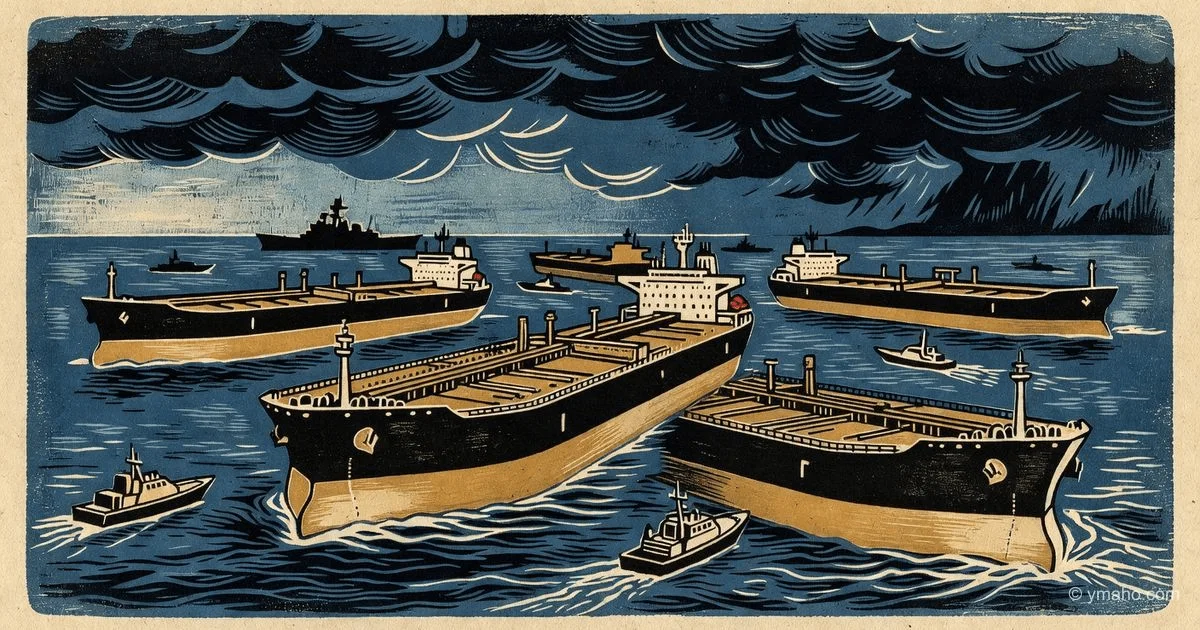
According to Bloomberg and maritime analysts, the US CENTCOM has secretly coordinated the passage of about 70 commercial vessels over the past three weeks, which turned off their transponders and hugged the Omani coast to evade Iranian radars. This is a direct admission that "Project Freedom" (military escort) has failed — Saudi Arabia refused bases, fearing retaliatory strikes.
Iran, in turn, introduced a paid passage. According to maritime agencies, the Islamic Revolutionary Guard Corps (IRGC) allows about 28 ships per day, but only on condition of paying an "insurance fee" and disclosing cargo. This turned the Strait of Hormuz from international waters into a "paid parking lot" under Tehran's control.
The culmination came on June 1, when after a three-hour meeting with Iran's Supreme Leader, a decision was made to suspend dialogue. But behind this was not an emotional break, but a calculation: to lock in the new status quo. Washington, on the same day, struck radar installations on Qeshm Island, showing it too is not backing down.
Who Wins and Who Loses
This conflict is no longer just military — it is a redistribution of energy and fertilizer markets.
The biggest loser is Europe. Not so much due to rising gas prices (though LNG has doubled on the spot market), but because of the collapse of fertilizer supply chains. A third of global maritime trade in ammonia and urea passes through the Strait of Hormuz. Sulfur and potash fertilizer shortages have already led to farmers in Brazil and India paying 60% more for freight. Europe, trying to save its harvest, is forced to buy fertilizers via a detour — through Russia — which undermines the sanctions policy from within.
The paradoxical winner is Qatar. While Iran blocks the strait, Qatar, with tacit US approval, has launched "shuttle" runs for its LNG tankers. They go in pairs: one under the protection of a diplomatic agreement between Pakistan and Iran, the other "dark," without a transponder. In May, four Qatari vessels thus broke through to buyers in Asia. This scheme, copied from Russia's "shadow fleet" to evade sanctions, is now being legitimized by the West when it suits them. Qatargas today controls the premium on Asian prices like never before.
The invisible loser is the Panama Canal. Because tankers are going around Africa (instead of via Suez and Hormuz), congestion has formed. Queues for passage in Panama have grown to 40 days. Ship owners pay millions of dollars for "slots" at auctions, making grain delivery from the US to Asia economically pointless.
What the Media Isn't Saying
Most analysts call Iran's threats to open "new fronts" a bluff. I argue the opposite: Iran has already opened these fronts, just under different names — "Freight Cost" and "War Risk Insurance."
While CNN and BBC write about diplomatic notes, insurance companies at Lloyd's have quietly raised war premiums for vessels entering the Persian Gulf to 15% of the vessel's value. This kills the economics of shipping more effectively than any missile.
Another non-obvious insight: the suspension of talks benefits both Biden (and Trump) simultaneously. For Trump, it's an opportunity to look like a "hawk" before the elections, blaming opponents for weakness. For the current administration, it's a way to avoid signing a humiliating agreement that would officially allow Iran to enrich uranium. All sides are simply buying time while their "shadow fleets" make money.
And most importantly: the US has eased the blockade of Iranian ports just enough for Iran to sell its oil through third countries (Oman, Iraq) at $85-90 per barrel. Iran's export figures in May fell only 12% compared to February — despite an official "total blockade." This is not a war of annihilation, but a managed conflict to maintain high energy prices, beneficial to both Tehran and Washington (given the interests of the oil lobby).
Forecast: Next 30 Days and 90 Days
Next 30 days:
There will be no breakthrough in negotiations. Iran will feign a tough stance, demanding a ceasefire in Lebanon, which Israel will not grant. The US will continue secret coordination of "dark" vessel passages. We will see an increase in attacks on ships that haven't paid the "Iranian toll," but these will be more intimidation actions than sinkings.
Key indicator for traders: the number of vessels queuing to exit the Persian Gulf. If it exceeds 500, expect manual intervention.
Next 90 days:
By September, Israel will complete the active phase of its operation in Lebanon. This will free up hands for signing a Memorandum of Understanding (MoU). The agreement will include:
- Legalization of vessel passage under the control of an international consortium (de facto recognition of Iran's role).
- Unfreezing part of Iranian assets ($6-8 billion).
- Freezing the nuclear program at the 60% enrichment stage without dismantling it.
This will create a false sense of stability, but the fundamental problem (control over the strait) will remain unresolved. Oil prices will settle in the $95–$105 per barrel range as the "new normal," triggering a recession in importing countries by year-end.
Editorial Forecast
Asset: Brent crude
Direction: Up in the next 48 hours, then possible sharp correction on news of diplomatic progress.
Levels: Key resistance at $108.50. A break above this level opens the path to $115. Support is at $102.00.
Confidence level: Medium (60%).
Main risk: Sudden resumption of official talks mediated by Oman. Any announcement of a blockade lift (even false) will crash the price by $5-7 per barrel within an hour, triggering stop-losses from algorithmic traders. It is recommended to lock in short-term profits upon reaching $108.
— Editorial Team