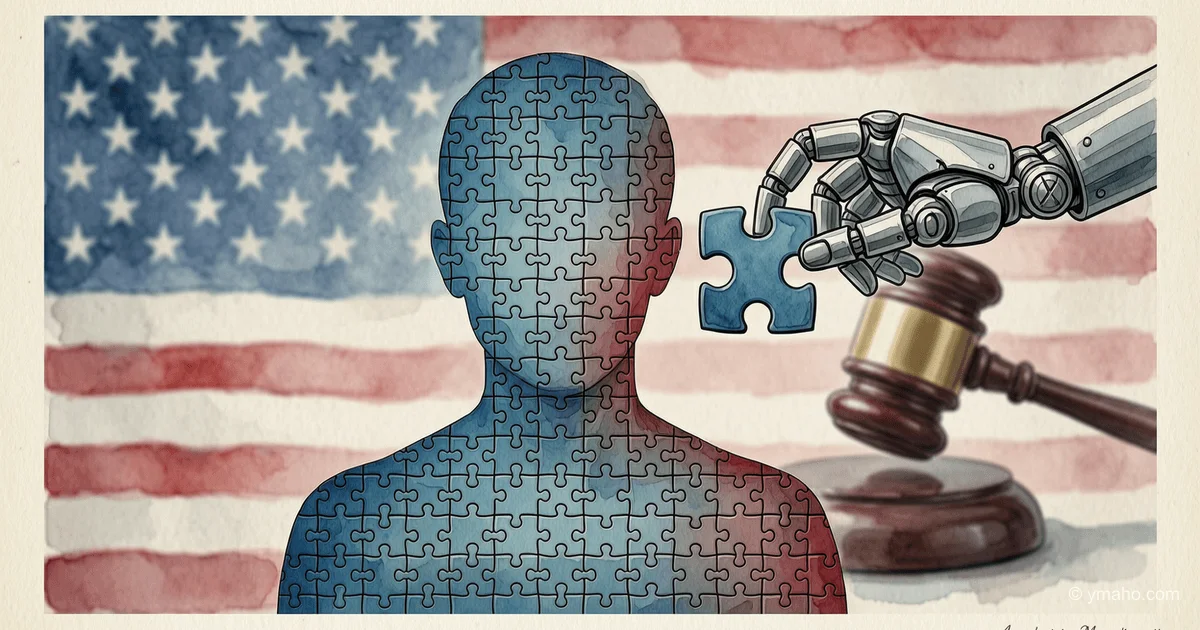
US Bill Would Force Police to Get a Warrant Before Using AI Surveillance
A new bill in the US House of Representatives aims to stop the government from using artificial intelligence to spy on people without a warrant. If you've ever worried that your location data, photos, or even your car's license plate could be used to track you without your knowledge, this proposal could change that.
The Surveillance Accountability Act, introduced by Representatives Thomas Massie and Lauren Boebert, would require federal agencies to get a judge's approval before accessing digital records or using AI-powered surveillance tools. Here's why this matters for regular people.
What the Bill Does
The legislation targets a legal loophole called the "third-party doctrine." This is a court ruling from the 1970s that says if you voluntarily give information to a third party—like a bank or phone company—you no longer have a "reasonable expectation of privacy." Back then, that might have meant a list of phone numbers you dialed. Today, it means everything: your internet searches, location history, messages, and even your face in a crowd.
The bill would close that loophole. It would require law enforcement to get a warrant based on probable cause before accessing any digital data held by third parties. It also specifically covers:
- AI-assisted surveillance (like facial recognition)
- Biometric data (fingerprints, iris scans)
- Automated license plate readers (ALPRs)
If the government violates these rules, citizens would have the right to sue for damages.
Why AI Changes Everything
Naomi Brockwell, who helped draft the bill, explains that AI has made surveillance far more powerful than when the third-party doctrine was created. "Now that we have AI, that idea of limitation is completely out the window," she said. "AI can sort people, rank them, adjust credit scores, and use all of this data to paint intimate profiles and preemptively conduct law enforcement."
Think of it like this: in the 1970s, if a police officer followed you for a day, they might see where you went. Today, AI can track every move you've made for years, analyze your habits, predict your behavior, and do it for millions of people at once—without anyone ever asking a judge for permission.
The License Plate Problem
One example the bill targets is automated license plate readers. These are cameras that snap pictures of every car that passes. A single photo of your car in public might not be a privacy violation. But as Brockwell points out, "what if I took 10,000 snapshots of your car while it's driving, and matched your exact location to track you? That's a different question."
That's exactly what these systems do—building a detailed map of where you go, when, and how often. The bill would require a warrant for that kind of tracking.
Who's Behind It and Who Opposes It
The bill has bipartisan support, meaning it's not a strictly Republican or Democratic issue. It also aligns with other efforts to reform surveillance laws, like changes to Section 702 of the Foreign Intelligence Surveillance Act.
But powerful companies make money from selling surveillance tools to the government. Firms like Palantir and Clearview AI provide AI systems that analyze images, location data, and other records. They would lose business if warrants were required. Critics also argue that warrant requirements can slow down investigations—but supporters say that's the point: to prevent abuse.
Key Takeaways
- The Surveillance Accountability Act would require warrants for government access to digital data held by companies.
- It closes the "third-party doctrine" loophole, which currently allows warrantless access to information you've shared with banks, phone companies, or apps.
- The bill covers AI surveillance, biometric data, and license plate readers.
- Citizens could sue the government for Fourth Amendment violations.
- The bill has bipartisan support but faces opposition from surveillance companies and law enforcement.
What Does This Mean for Regular People?
If this bill becomes law, it would mean the government can't use AI to dig through your digital life without a judge's approval. It restores the basic idea that your private data is yours—not a free resource for the state. Whether you're concerned about facial recognition cameras, your phone's location history, or your car being tracked, this bill could give you more control over your privacy.
— Editorial Team









