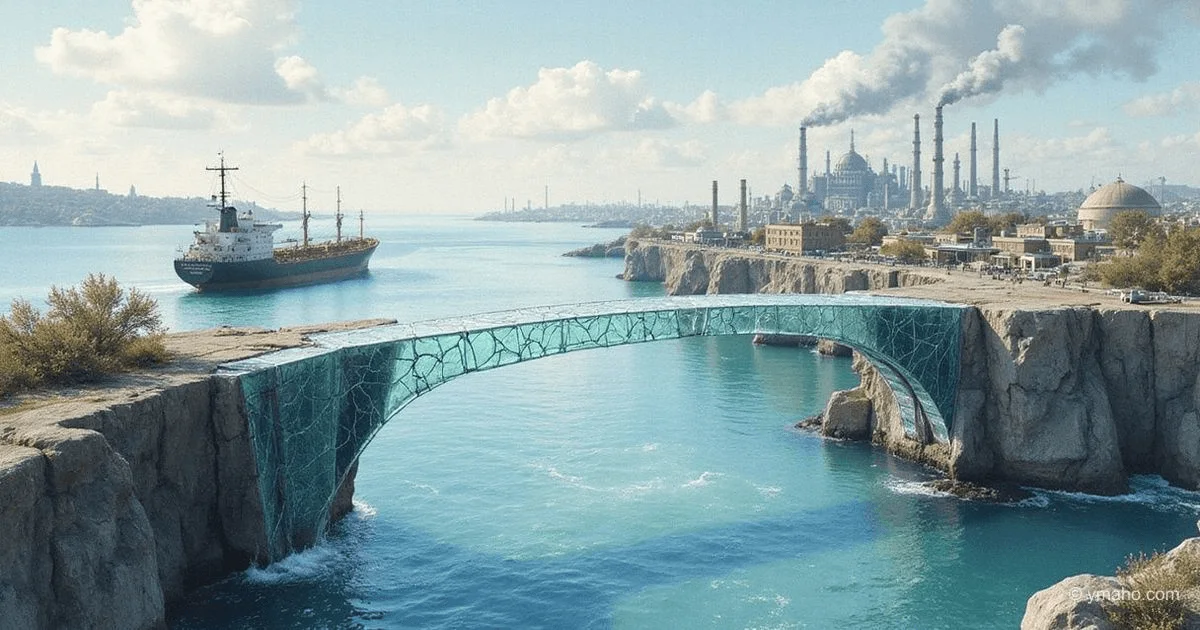
How the Iran Conflict Could Shut Down European Factories
If shipping through the Strait of Hormuz grinds to a halt, European factories could begin shutting down—not from bombs, but from shortages of chemicals and skyrocketing energy costs. This will affect everyone: from chicken prices to medicine and plastic packaging.
Why Chemistry Is the Foundation of Everything
Imagine the economy as a house. The walls are machines, the roof is technology—but without cement and wiring, nothing gets built. In reality, the "cement" of industry is basic chemicals: ammonia, ethylene, propylene. These are used to make fertilizers, plastics, detergents, medicines, and even animal feed components.
For decades, Europe relied on easy access to cheap gas and imported chemicals from abroad. But that strategy is now cracking under pressure. When gas prices surge—gas being the primary "ingredient" for producing many chemicals—factories either raise prices or simply shut down.
In 2022, Germany’s largest ammonia producer, SKW, halted production because it had become unprofitable. Ammonia isn’t just for fertilizers—it’s also used in fuel additives and even explosives. Its absence from supply chains is like pulling one brick from an arch: everything could collapse.
What’s Happening Right Now?
The escalating conflict between the U.S., Israel, and Iran has led to a blockade of the Strait of Hormuz—the narrow passage through which about 20% of global oil flows. If Iran can’t export oil, energy prices will spike worldwide.
Europe feels this pain acutely:
- Gas and oil aren’t just for heating—they’re raw materials for chemical manufacturing.
- Many plants are already operating at razor-thin margins after the Russia crisis.
- Rising chemical prices quickly ripple through the supply chain: BASF raised detergent prices by 30%, Evonik increased feed additive costs.
Importing chemicals from Asia or the Americas is a possible fix—but only while sea routes remain open and trade barriers don’t rise. Under current geopolitical tensions, even routine deliveries could stall for weeks.
What This Means for Everyday People
You don’t work at a chemical plant? That doesn’t matter. The fallout will reach you anyway:
- Food prices will climb—due to expensive fertilizers and animal feed.
- Medicines and household cleaners will cost more—their production relies on the same core ingredients.
- Cars and building materials will get pricier—plastics, rubber, and resins all come from these chemicals.
Europe is caught in a trap: its industry depends on global trade, but the world is becoming less global every day. As nations split into blocs and block key routes, supply chains snap—and it’s not just businesses that suffer, but ordinary wallets too.
Key Takeaways
- Chemical manufacturing is the hidden backbone of modern economies, and it hinges on stable energy supplies.
- The Strait of Hormuz is the bottleneck of the global oil system: its closure sends shockwaves through Berlin, Paris, and Rome.
- Europe has long ignored the risks of relying on external supplies, especially after the pandemic and the war in Ukraine.
- Rising prices for basic chemicals instantly show up in everyday product costs.
- Global conflicts now directly impact living standards in countries far from battle zones.
What does this mean for regular people? If the Iran conflict drags on, be ready for everyday essentials—from toilet paper to baby formula—to become noticeably more expensive. Not because of greed, but because the entire supply system is trembling at its foundations.
— Editorial Team









