Sleepcation: The New Travel Trend for Nervous System Recovery
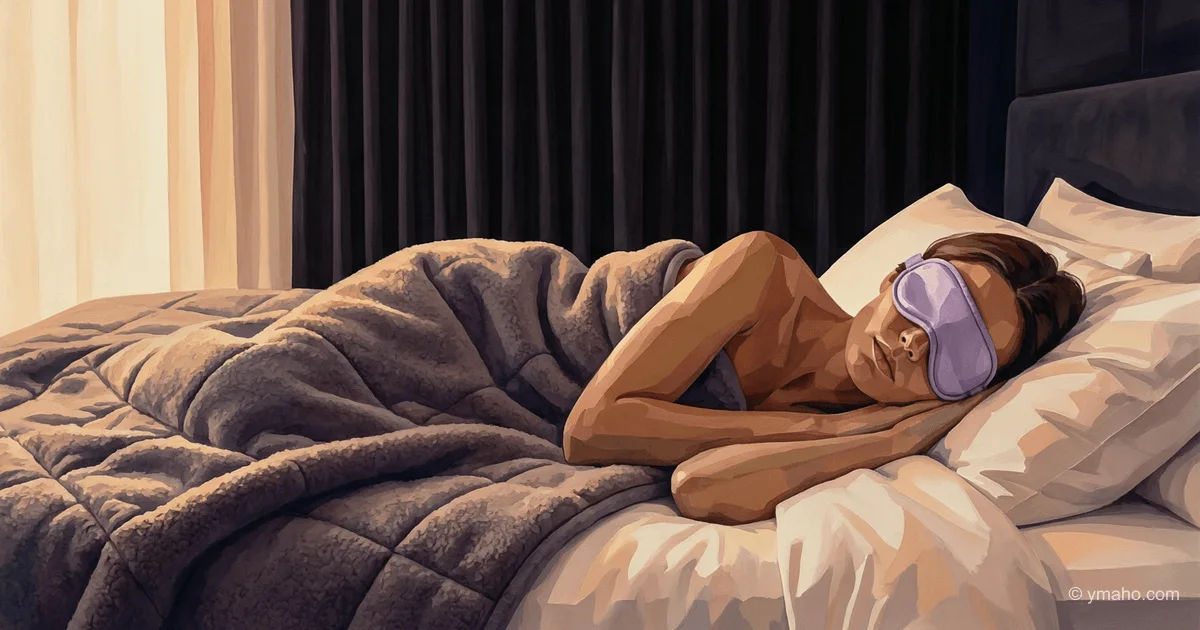
Millennials and Gen Z are increasingly ditching sightseeing for hotels where they can catch up on sleep. A $99 package includes a weighted blanket and a lavender sleep mask, while a night at a luxury New York hotel with a personalized sleep schedule costs up to $1,700.
Sleepcation: How Hotels Are Selling Sleep Back to an Exhausted World
I've been tracking hospitality and wellness trends for over a decade. In that time, I've seen dozens of "revolutionary" concepts die before they could even take off. But Sleepcation isn't just another viral hashtag. It's a symptom of a global breakdown in our relationship with our own bodies. We've reached a point where a basic physiological action—something every living organism does automatically—has become a luxury commodity people are willing to pay for as if their lives depend on it.
The Core: What's Really Happening
Stop thinking of Sleepcation as a vacation where you sleep a lot. It's not about sleep. It's about the nervous system waving a white flag.
Modern urban dwellers live in a state of chronic overstimulation. Blue light from screens, cortisol from endless notifications, caffeine as fuel, noise as a constant backdrop. In this environment, the brain forgets how to switch into the parasympathetic "rest and digest" mode. People lose the ability to fall asleep naturally.
Sleepcation isn't just a change of scenery. It's a forced detox from your own life. You pay money to be placed in an environment where it's physically impossible not to fall asleep. No willpower required—just architecture of darkness, silence, and the right temperature. The hotel becomes an exoskeleton for a nervous system that has forgotten how to perform its basic function.
And the numbers back this up: the sleep tourism market was valued at $84.65 billion in 2025, and it's projected to grow to $265.85 billion by 2034. One in five travelers now prioritizes sleep over shopping or nightlife. This isn't a niche—it's a tectonic shift.
Timeline and Context
The evolution of the trend looks like this:
- 2019–2022: Early signs. Hotels start offering "pillow menus" and sleep masks. Seen as a nice bonus, nothing more.
- 2023–2024: The term "sleep tourism" emerges. Hilton reports that nearly 50% of travelers are traveling specifically for recovery.
- 2025: IKEA publishes a global study: people are sleep-deprived by an average of 1 hour 20 minutes each night—almost 20 full days of lost sleep per year. Anxiety and intrusive thoughts are named the top enemies of sleep.
- 2026: The trend peaks. The Wall Street Journal describes sleepcation as a conscious rejection of packed itineraries by millennials and Gen Z. Service packages emerge where sleep is the only "activity."
The key point often overlooked: the trend wasn't born in hotels. It was born in the bedrooms of people who woke up at 3 a.m. and couldn't fall back asleep. The hospitality industry simply rode a wave that was already coming.
Winners and Losers
Winners:
- Luxury hotels with a tech focus. Equinox Hotel in New York charges $1,700 per night for its Sleep Lab, created with input from sleep expert Matthew Walker. Minimum stay: two nights. That's $3,400 for the chance to sleep under the watch of a neural network. The margins on such services are astronomical.
- Smart mattress manufacturers. Bryte, which installs AI-powered beds at Park Hyatt New York, gains more than just a contract. It gets a showroom for the most solvent audience. If a guest sleeps well on a $1,500 mattress, they'll likely buy one for home.
- Wellness retreats in quiet locations. Mountains, lakes, off-season coastlines—places with no temptation to go on excursions. Their booking rates have risen by tens of percent without extra marketing spend.
Losers:
- Traditional travel agencies. Their product is a packed itinerary: 10 cities in 7 days. That's the antithesis of sleepcation. The "grand tour" model is dying along with the client who chooses three days in a room with a $99 weighted blanket.
- Budget hotels in noisy city centers. They can't offer silence and darkness. Their only selling point—"everything is nearby"—no longer works when the traveler doesn't want to go anywhere.
- Economy-class airlines. If the sleep trend intensifies, people will choose destinations reachable without flights that disrupt circadian rhythms. Short flights or trains—that's the future of transport for the sleep tourist.
What the Media Isn't Telling You
Now for the main thing glossy articles leave out.
Insight: Sleepcation is an industrialized imitation of the home comfort people no longer have.
Look deeper. The problem isn't that people sleep poorly in hotels. The problem is that they've stopped sleeping at home. The modern apartment isn't a place for rest. It's a place for work (remote), entertainment (giant TV with streaming subscriptions), content consumption (phone in bed), and constant availability (messengers buzzing until midnight).
72% of people admit to using their smartphone before bed. Home has become an extension of the office and social media. You come "home" and can't relax because the environment is the same as at work.
Sleepcation is an escape not from work, but from your own lifestyle. People aren't paying $1,700 for a bed. They're paying for 12 hours without notifications, without guilt about being unproductive, without the need to "be productive." The hotel grants an indulgence for doing nothing—something your own couch used to provide.
The second non-obvious point: the sleep gap is widening. The Global Wellness Institute explicitly states that access to quality sleep is becoming stratified. The wealthy can buy an optimized sleep environment. The poor cannot. And this isn't just about comfort. Chronic sleep deprivation leads to illness, cognitive decline, and lost productivity. Those who can't afford sleepcation fall into a vicious cycle: poor sleep → worse work → lower earnings → even worse sleep from stress.
Forecast: Next 30 Days and 90 Days
30 days: A wave of secondary products. "Sleepcation at home" kits will appear—sleep ritual sets (weighted blankets, lavender masks, bath bombs) from mass-market retailers. The goal: sell the trend's aesthetic to those who can't afford a $1,700 hotel. Also expect collaborations between hotels and mattress brands—this has already started but will become ubiquitous.
90 days: Rising demand for "sleep infrastructure" in ordinary homes. Not $5,000 smart mattresses, but affordable solutions: budget blackout curtains, inexpensive white noise machines, apps without "optimization" features (because people are tired of numbers).
And the most important shift: from sleepmaxxing to simplicity. Right now, people are obsessed with sleep trackers, REM phases, and "perfect metrics." But research is already identifying orthosomnia—an anxiety disorder caused by the pursuit of ideal sleep metrics. The next wave will be a rejection of monitoring. People will realize that a tracker doesn't help you sleep—it hinders you. Hotels that first offer "tech-free rooms" will win the next round.
Sleepcation isn't a trend. It's a litmus test for our times. We've become so unskilled at being human that we now rent a hotel room to remember how to close our eyes and not wake up two hours later in a cold sweat over a deadline. This isn't luxury. It's rehabilitation.
— Editorial Team