Articles by tag: immunotherapy

RNA vaccine against pancreatic cancer: breakthrough 2025
Chinese mRNA vaccine iNeo-Vac-R01 suppresses metastases. Analysis of efficacy, cost, and risks. Find out who will benefit from the new therapy.

New drug combination for lung cancer therapy: European approval
European Commission approved Zepzelca and atezolizumab combination for aggressive lung cancer. 27% reduction in risk of death. Learn details about the new standard of therapy.
CAR-T therapy against aging: elimination of senescent cells
An international consortium has developed CAR-T for selective elimination of senescent cells. Learn how uPAR CAR-T technology fights age-related diseases and fibrosis.
FDA approved Imfinzi: first immunotherapeutic combination for bladder cancer
FDA approved Imfinzi (durvalumab) + BCG for high-risk non-muscle-invasive bladder cancer. 32% reduction in recurrence risk. Learn about the breakthrough in oncourology.
Lung cancer drug Lurbinectedin approved in Europe
Europe approved the world's first Lurbinectedin drug with immunotherapy for aggressive lung cancer. 46% reduction in risk of death. Learn about the breakthrough and forecasts.
MIT nanoparticles for immunotherapy of pancreatic cancer metastases
MIT scientists have created nanoparticles with AND logic for targeted activation of the STING pathway in metastases. Preclinical data: 70% reduction in metastases. Learn about the breakthrough in nanomedicine.
Immunotherapy for endometrial cancer: ASCO 2026 data
Analysis of the NRG-GY018 study: pembrolizumab + chemotherapy improved survival in endometrial cancer. Risk of death reduced by 44% in dMMR. Details at ASCO 2026.

Triple therapy for ovarian cancer: breakthrough or myth 2026?
Analyzing triple therapy for ovarian cancer with a 40% increase in survival. Current data, alternatives, and forecasts for patients and doctors. Read.

CAR-T therapy for lupus: FDA approval 2026
Analysis of FDA approval of the first CAR-T cell therapy for severe lupus. Key players, forecasts, and hidden risks. Find out who is leading the race.
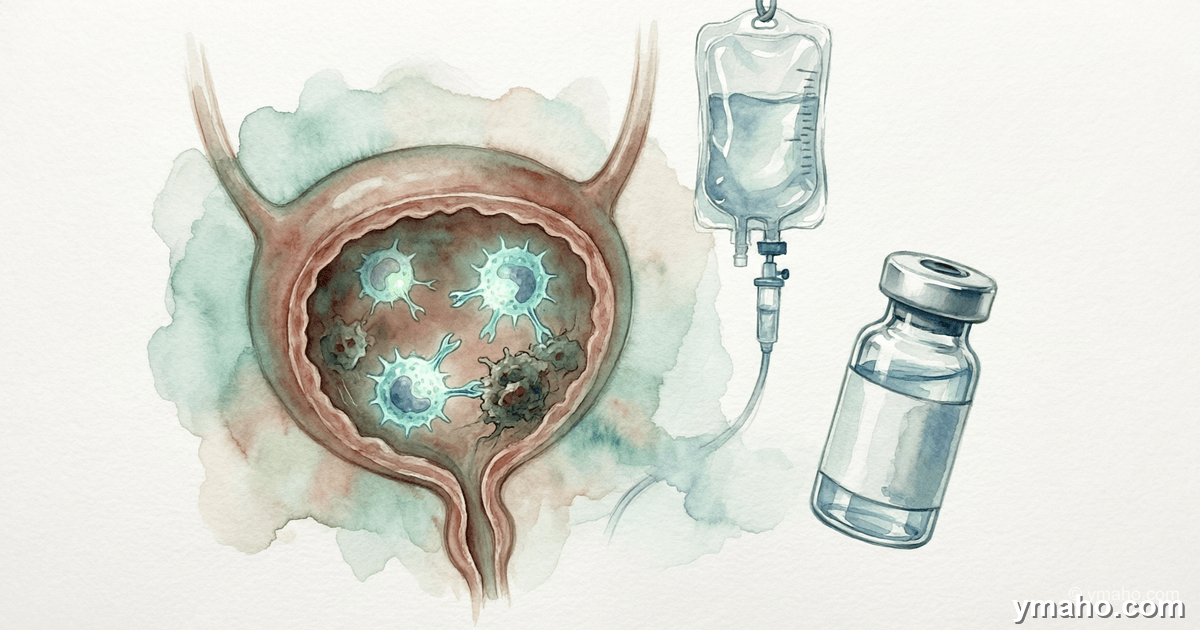
FDA approval of combination immunotherapy for bladder cancer: durvalumab + BCG
FDA approved durvalumab with BCG for high-risk NMIBC. POTOMAC data: 32% risk reduction. Analysis of efficacy, toxicity, and consequences of BCG shortage. Learn more.

Breakthrough in glioblastoma treatment: NeoVax vaccine improves survival | ASCO 2026
Dana-Farber's personalized vaccine NeoVax showed median survival of 36.9 months in glioblastoma at ASCO 2026. Learn how immunotherapy works and who it suits.
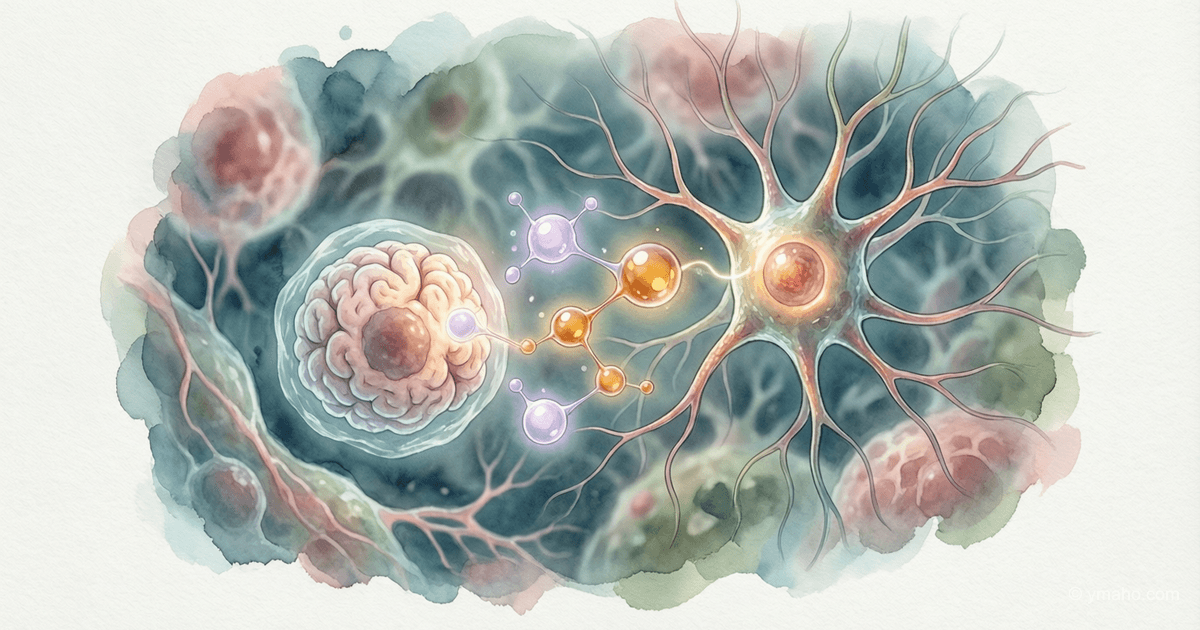
Next-generation CAR-T: tumor neurobiology and brain cancer treatment
Scientists propose considering neurotransmitters for CAR-T cells in glioblastoma. A new approach to brain cancer therapy. Learn more.
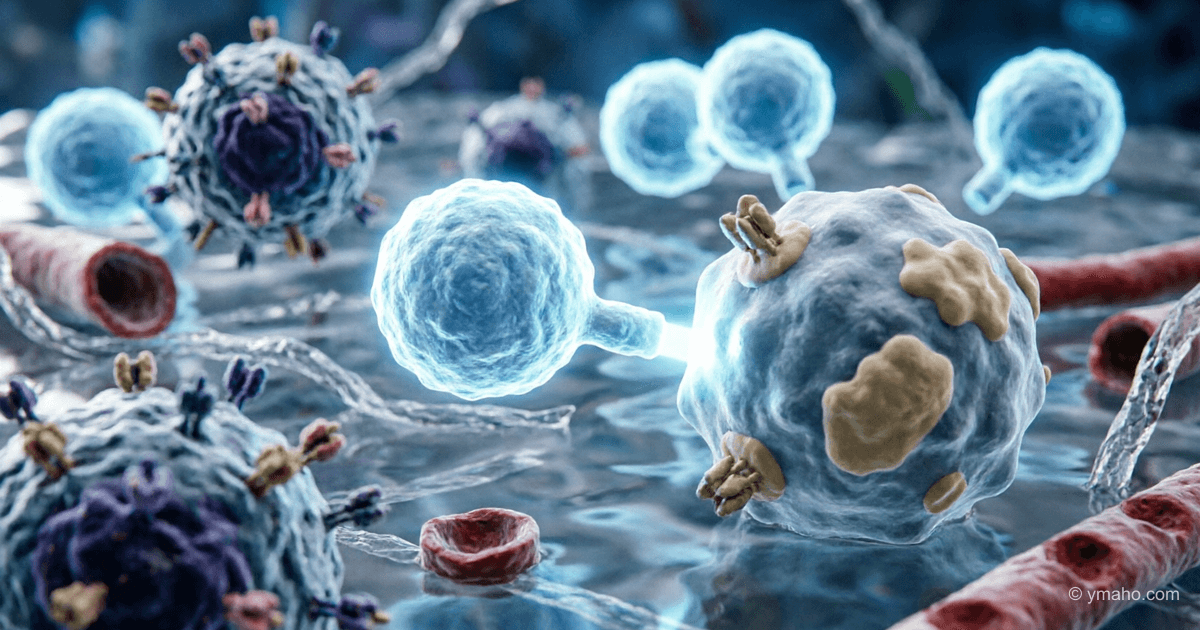
Training the immune system against cancer: a new method of fighting
A new method of 'training' the immune system marks tumor cells for destruction by T-lymphocytes. Learn how it works and which cancers are vulnerable. Read the analysis!

Teplizumab approved for children: delaying type 1 diabetes
FDA approved teplizumab for children from 1 year old. Learn how disease-modifying therapy changes the treatment paradigm for type 1 diabetes. Detailed analysis.
Tarlatamab (Imdelltra) approved by FDA: new standard for small cell lung cancer
FDA fully approved tarlatamab for second-line therapy of small cell lung cancer after the DeLLphi-304 study. Learn about the breakthrough in treatment and new options for patients.

Blood test for mapping tumor microenvironment: a breakthrough in oncology
Learn about the new LiquidTME blood test that uses AI to determine the tumor microenvironment and predict response to immunotherapy. A breakthrough in cancer diagnostics.

FDA Fast Track for dendritic cell therapy dubodencel in melanoma
FDA granted Fast Track status to dubodencel (DOC1021) therapy for the treatment of unresectable melanoma. Learn how personalized dendritic cell vaccine is changing oncoimmunology.

iSCIB1+ DNA vaccine for melanoma: phase 3 approved by FDA
FDA approved phase 3 trials of iSCIB1+ DNA vaccine against melanoma. Survival increase of 24%. Find out when the drug will be available and who it will help.