Acupuncture as an Alternative to Botox: Mira Kapoor's New Viral Procedure
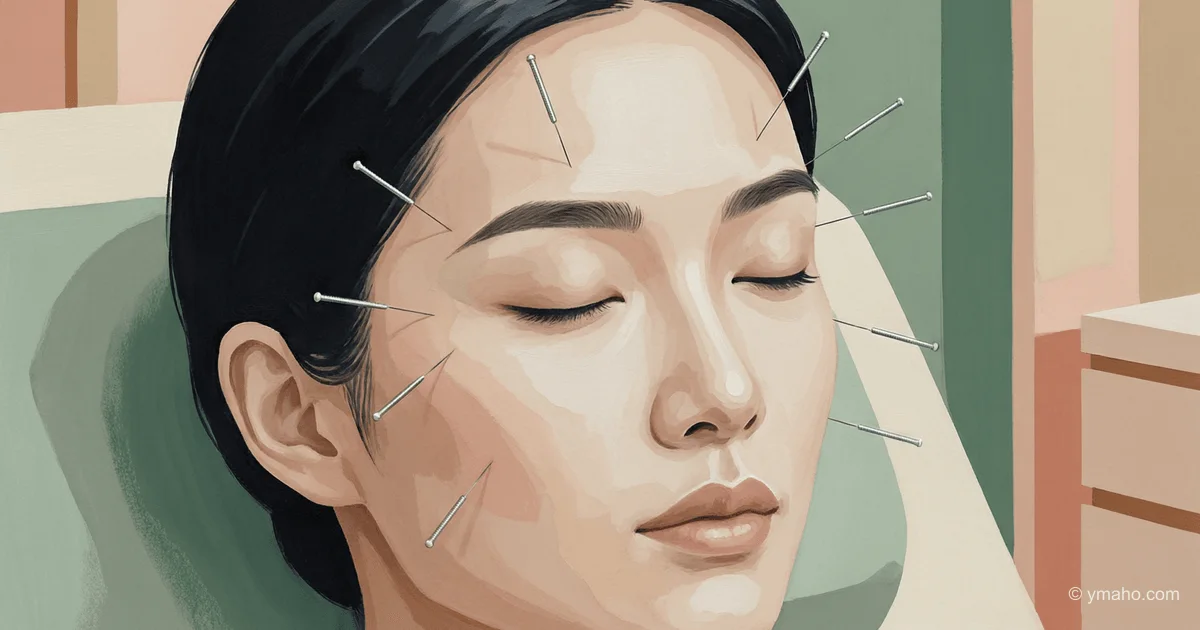
Social media star Mira Kapoor caused a stir by showcasing a cosmetic acupuncture procedure. The viral trend promises natural lifting and rejuvenation without injections, using micro-traumas that stimulate collagen production.
Insight: Why Mira Kapoor's Needles Are Not a Trend, but a 'Silent Killer' of the Botox Market
[The Core]: What's Really Happening
Behind Mira Kapoor's viral post, where she calls acupuncture needles 'the only needles I acknowledge,' lies not just another celebrity whim. It's a detonator that has triggered a tectonic shift in consumer behavior. The core of the conflict is not 'needles vs. needles,' as the media presents it. The real battle is unfolding between the old school of 'quick injections' and the new philosophy of 'restorative cosmetology.'
Mira, as a savvy entrepreneur (founder of Dhun Wellness), used her Instagram as a platform to legitimize Eastern medicine in the eyes of a Western audience. She shifted the narrative from 'fighting aging' to 'working on the system.' The key message is that needles work with the face through the kidneys and liver, lifting the neck by treating old trauma. This is a complete break from the 'freeze the muscle, get results' template. Here, the client buys not just a procedure, but a story of holistic healing.
An insight analysts are missing: We are on the verge of an economy of fear of the 'toxic face.' The millennial generation, who got Botox in their 20s, is now (at 35-45) facing side effects: muscle atrophy, 'Spock brow,' and a 'rubber face' effect. Acupuncture offers not stopping time, but muscle tone and natural expression. This is not just an alternative; it's a reaction to fatigue with 'plastic' aesthetics.
Timeline and Context
Events are unfolding rapidly. On January 14-15, 2026, Mira posted stories showing needles being inserted into her face, abdomen, and arms. She actively promotes the idea of painlessness. On January 18, the first analytical articles like 'Needles vs needles' from India Today appeared, and dermatologist Shiva Yadav officially stated: 'Botox works faster but kills expression; needles work longer but treat the cause.'
But we look deeper—at the financial context. According to Research and Markets reports, the global beauty devices market has already reached $69.99 billion in 2026 with a CAGR of 16.3%. Meanwhile, sales of LED masks and microcurrent devices among women aged 35-45 have grown by 172%. Simultaneously, there is a 'scientification' of beauty: the client demands evidence, not promises.
Why is this important? Acupuncture sits at the intersection. It's not chemistry (fear of Botox) and not physics (fear of lasers). It's biology and energy. At a time when the market is overheated with LED masks and AI diagnostics, a return to manual work with the body looks like 'luxury vintage.'
Who Wins and Who Loses
Winners:
- Qualified TCM (Traditional Chinese Medicine) practitioners. They are in for a boom. Clients disappointed with injector cosmetologists will turn to them. A person who can insert a needle into a leg to lift eyebrows becomes a 'shaman.'
- Large dermatology chains. Surprisingly, they are already preparing a response. L'Oréal with Cell BioPrint is testing proteomic skin analysis. If a doctor can prove at the protein level that needles work, victory will be theirs.
- 'Clean' cosmeceutical brands. Needles create micro-traumas and improve skin permeability. The next logical step is selling expensive 'post-acupuncture' serums. This is an ideal adjuvant.
Losers:
- Injection cosmetology chains operating on a 'conveyor belt' principle. The turnover of a single Botox office is currently several times higher than that of an acupuncture office (needles take an hour, Botox 15 minutes). If the trend goes mainstream, the economics of injection clinics will collapse, forcing them to lower prices on Dysport/Xeomin.
- Budget skincare brands. The 'natural face' trend kills demand for heavy foundations and thick textures used to mask the consequences of failed injections.
What the Media Isn't Saying
Facial acupuncture is not an 'express method.' To see noticeable results, you need 8-12 sessions. This costs from $800 to $2,000 per course in Europe or the US. Botox costs the same, but results are visible in a week. Needles require patience. Therefore, Mira's true audience is not housewives with plenty of time, but affluent women with flexible schedules who can afford to undergo procedures for two months. This is an elitist trend being passed off as mainstream.
Also, dermatologists openly warn: acupuncture does NOT treat deep ptosis, active acne, or pigmentation. Mira sells 'detox' and de-puffing—it's prevention, not surgery.
But the biggest omission is safety. In the pursuit of virality, women will go to dubious practitioners for needle treatments. Unsanitary conditions, dirty needles, or facial nerve damage are real risks that Mira omitted from her 'promotional' video.
Forecast: Next 30 Days and 90 Days
Next 30 days:
Instagram and TikTok will see a wave of 'needle challenges.' Videos of swollen faces from incompetent practitioners will appear. The dermatology community will issue a memorandum with strict safety criteria for this procedure. We will also see the first major beauty retailer (Sephora or Ulta) launch a line of 'post-acupuncture' skincare priced above $150. The market will begin to segment into 'Botox' and 'needle' camps.
Next 90 days:
'Hydridization' will occur. Smart cosmetologists will offer mix protocols: for example, relaxing forehead muscles with minimal Botox doses plus acupuncture for the jawline and tone. This will be a killer price point. We will see the first lawsuits from patients with complications from home acupuncture.
And most importantly: the exit of the mid-range Botox segment from the market. Clinics that cannot offer recovery therapy (needles or microcurrents) as a 'proper next step' will lose up to 20% of their client base. The era of 'inject and forget' is over. The era of 'care for and invest in yourself' begins.
— Editorial Team