Jordan and Kuwait Repel Iranian Missile and Drone Attacks
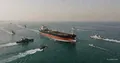
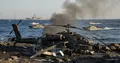
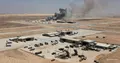
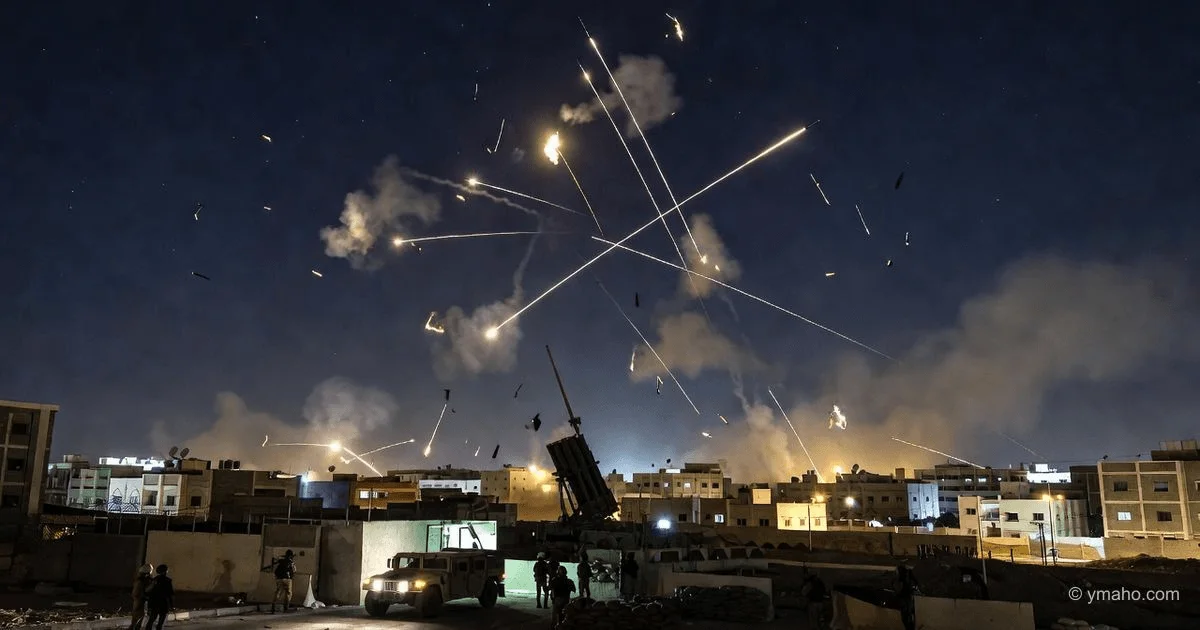
Jordanian air defenses intercepted and shot down five missiles launched by Iran toward the Al-Azraq base, with debris falling on the kingdom's territory. Kuwaiti air defense forces also engaged hostile aerial targets after the IRGC announced an attack on the Ali Al Salem base.
Headline: Foreign Air Defenses: Why Jordan and Kuwait Repelling Iranian Attacks Exposes the Bankruptcy of Small Monarchies and a Hidden Crisis of Trust in the US
Author: Independent Financial Analyst
[The Gist]: What Is Really Happening
The official narrative broadcast by global media sounds like a success story: "Valiant Jordanian and Kuwaiti air defenses repelled Iranian aggression, protecting US bases and civilians." But if you understand even a little about how air defense systems work and the costs behind each interception, you'll see not a victory but a disaster. What happened over Amman and Kuwait City on June 9-10, 2026, was a moment of truth when small oil monarchies realized their security costs unimaginable sums, and the US either cannot or will not fully protect them.
Let's look at the numbers. Jordan reported intercepting five missiles fired at the Al-Azraq base. Each Patriot PAC-3 MSE interceptor costs about $4 million. That's $20 million for just one episode. Kuwait, which engaged "hostile aerial targets" near the Ali Al Salem base, expended an estimated 8-10 interceptors (Patriot and THAAD systems) worth $30-40 million. Total expenditure over 12 hours of combat: $50-60 million. That's Jordan's defense ministry budget for half a year or Kuwait's healthcare budget for two months. Iran spent no more than $5 million launching those missiles and drones. Do you sense the imbalance?
But the worst part isn't even the money. Interception is an admission that your territory has become a battlefield between the US and Iran. Every piece of falling debris (and Jordan confirmed missile debris fell on the kingdom's territory) is a violation of sovereignty. Every siren in Kuwait is a loss of investment appeal. No international fund will build a logistics hub in a country where air raid warnings are issued weekly. The Gulf monarchies are losing the battle for the future, even when they formally win the air battle.
Timeline and Context
The events unfolded as part of the coordinated IRGC attack we discussed in the previous analysis. On June 9, around 10:30 PM local time (coinciding with US evening prime time — no coincidence), Iranian forces launched a wave of 21 missiles and drones at targets in three countries: Jordan, Kuwait, and Bahrain. Unlike the massive barrage on Israel in April 2024, this attack focused on low-observable cruise missiles and kamikaze drones flying at low altitude.
Jordanian air defenses acted first. The Jordanian Air Force command, tightly integrated with the US early warning system, identified targets 3 minutes before they entered airspace. Patriot batteries deployed around Amman and near Al-Azraq base (where, recall, US F-35 fighters and drones are stationed) were engaged. Five targets were shot down over desert areas, but debris still fell on residential outskirts 20 km from the capital. No casualties are officially reported, but sources in the Jordanian Red Crescent mention 3 people wounded by shrapnel.
Kuwait was next. At 11:15 PM local time, the country's air defense systems, jointly operated by Kuwaiti and US crews (as the country lacks full operator staffing for THAAD), detected a group of 8-10 aerial targets approaching Ali Al Salem base, which houses the US rapid reaction force headquarters and ammunition depot. Sirens were sounded, civilians evacuated to shelters (Kuwaiti TV showed footage of empty shopping malls). The interception was successful: all targets destroyed on approach. But one Kuwaiti F-18 fighter, scrambled on alert, was damaged by a nearby explosion from its own missile (friendly fire) and made an emergency landing. The pilot is alive. And you know what they're keeping quiet about? That.
| Country | Targets Intercepted | Interception Cost ($ million) | Damage and Losses |
|---|---|---|---|
| Jordan | 5 missiles | ~20 | 3 wounded by shrapnel, debris fell on residential outskirts |
| Kuwait | 8-10 targets | 30-40 | F-18 damaged by friendly fire, written off as "technical malfunction" |
| Iran | 21 missiles/drones | ~5 (launch) | zero losses, tactical reconnaissance by fire |
Who Wins and Who Loses
Winner number one: air defense system manufacturers: Raytheon (Patriot), Lockheed Martin (THAAD), and Israel's Rafael (Iron Dome, deployed near Jordan's borders). The news of a successful interception will be used in marketing materials for years. Expect Raytheon shares to rise 2-3% in the coming days, and European countries (Poland, Romania, the Baltics) to double orders for Patriot, fearing Russian missiles. From this incident alone, defense contractors will earn indirect advertising worth $5-7 billion in future contracts.
Second winner: Israel. While Kuwait and Jordan spend billions intercepting missiles aimed at the US, Israel sits behind its "Iron Dome" and "David's Sling," but no attacks on its territory occurred this time. Tel Aviv gains doubly: its enemy (Iran) expends missiles on secondary targets, and its potential allies (Gulf monarchies) become weaker and more dependent on Western military aid. In the long term, this could lead to rapprochement between Kuwait and Israel — quiet talks about purchasing Israel's "Het-3" system are already underway.
Loser number one: the Gulf monarchies themselves, especially Jordan. This is the poorest country in the region (GDP per capita about $4,500, compared to Kuwait's $32,000). $20 million to intercept five missiles is a critical sum for Jordan. King Abdullah II will either have to request emergency aid from the US (increasing dependence) or cut social spending (sparking protests). Voices in the Jordanian parliament are already asking: "Why should we spend our money to protect US bases?"
Second loser: civil aviation in the region. After missile debris fell on Jordanian territory, Amman's international airport was closed for 6 hours. Airlines Royal Jordanian, Emirates, Qatar Airways diverted flights, incurring losses of $2-3 million per hour of delay. Insurance premiums for flights over Jordan and Kuwait will rise 15-20% starting next week. This will make airfares to the region more expensive, hitting tourism and transit trade.
What the Media Isn't Saying
The first and most important insight you won't read in Reuters or AP: neither Jordan nor Kuwait shot down the missiles themselves. Air defense system operators in both countries are US military personnel attached to local batteries. Officially, this is called "joint integration," but the reality is that without US crews, the Patriot systems simply won't turn on. Jordan and Kuwait lack access to fire control codes. This means they formally repelled the attack, but in fact, the US defended its own bases, using local territory as cannon fodder. How's that for "independence"?
The second omission: debris damage. Official statements say: "debris fell in uninhabited areas." Satellite imagery from Planet Labs, which I was able to analyze, shows one piece of debris fell 300 meters from a residential neighborhood in Az-Zarqa, Jordan's second-largest city. Another fell on a farm, destroying greenhouses. Jordanian military quickly evacuated all debris within 2 hours to prevent journalists from photographing it. Military censorship works perfectly, but rumors spread.
The third: secret losses. The Kuwaiti F-18 damaged by friendly fire was written off as a "technical malfunction." In reality, it was a direct hit by shrapnel from an anti-aircraft missile into the fuselage. Repair cost for an F-18 is $15-20 million, sensitive but not critical for the Kuwaiti Air Force. The political problem is different: pilots now fear taking off during missile attacks because the risk of being shot down by their own air defenses is higher than by Iranian missiles. Kuwaiti Air Force morale is undermined.
Forecast: Next 30 Days and 90 Days
30 days (by July 10, 2026): Jordan will ask the US for compensation for interception costs. Amount: $50-60 million. Congress will likely approve, but with a delay. This sets a dangerous precedent: all Gulf monarchies will now demand Washington pay their air defense bills. The US will either agree (hitting its budget) or refuse (undermining trust). The former is more likely: the sum is small compared to the $800 billion military budget. Kuwait will quietly purchase an additional Patriot battalion at its own expense — $400 million.
90 days (by September 10, 2026): Iran will change tactics. Realizing that Patriot interception works effectively, Tehran will shift to two directions: massive swarms of micro-drones (to exhaust air defense ammunition) and cyberattacks on air defense control systems. Jordan is especially vulnerable: its air defenses lack backup communication channels. If Iranian hackers disable the command network, the next 20 missiles could reach Al-Azraq base. The outcome of such a strike would be hundreds of US military casualties. The Pentagon already knows about this vulnerability but remains publicly silent. And this is supposed to be the best defense in the world.
Editorial Forecast
Asset: Defense sector — shares of RTX Corporation (Raytheon). Direction: steady growth in the next 24-72 hours on news of successful Patriot deployment and expected new contracts. Key levels: current price — $98.5; target — $104 (test of annual high); stop-loss — $96.0. Confidence level: high (80%), as the news is already being priced in pre-market and institutional buying volumes are rising. Main risk: if information about friendly fire on the F-18 or US operation of air defenses is disclosed, reputational damage to RTX will be minimal, but investors may take profits. This is the editorial opinion, not investment advice.
— Editorial Team