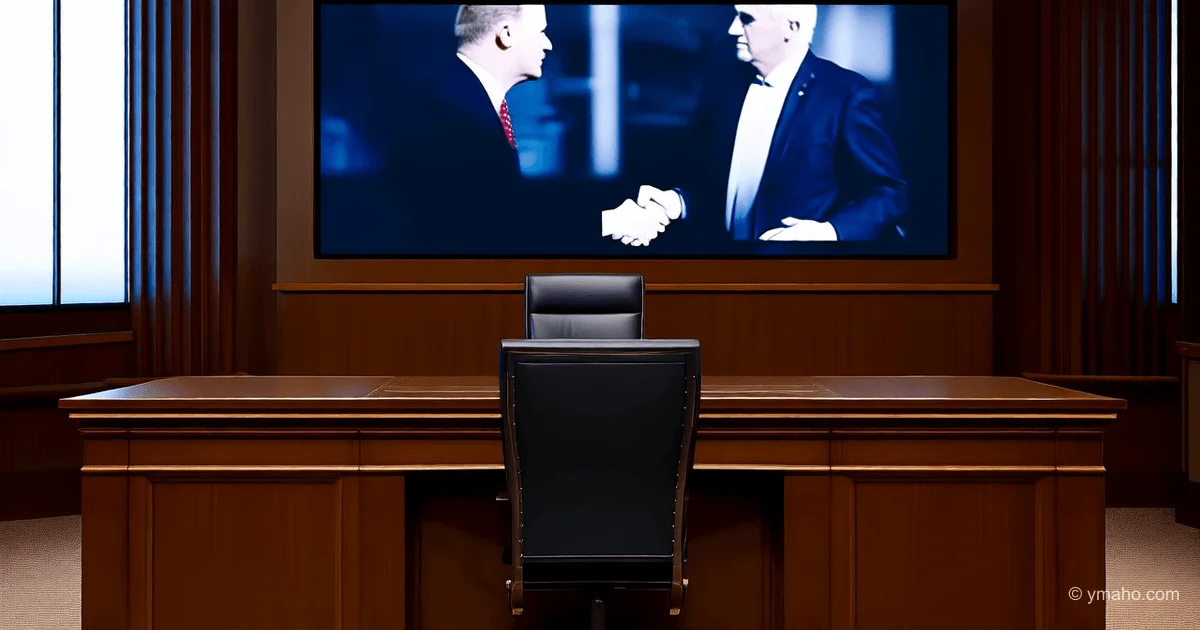
Trump-Xi Summit and Fed Chair Change to Be Key Market Catalysts Beyond CPI
Beyond inflation data, markets are focused on the two-day Trump-Xi summit in China and the expected final change of Fed chair this week: Jerome Powell is to be replaced by Kevin Warsh.
The Trump-Xi summit and the change of Fed chair happening this week are not two parallel events but links in the same chain. In conventional analysis, they are treated separately: geopolitics on one side, monetary policy on the other. However, an insider perspective captures the critical connection: the outcome of the Beijing meeting will directly determine whether Kevin Warsh becomes the master of the Fed or a hostage of circumstances by his first FOMC meeting in June.
The Core: What's Really Happening
The Trump administration is attempting a complex maneuver: simultaneously tightening the economic stranglehold on Iran by pressuring China and changing the Fed's leadership so that monetary policy does not interfere with the election campaign.
The Senate is on track to confirm Warsh: a procedural vote was held on May 11 with a tally of 49-44, and final confirmation for a four-year term as Fed chair is expected on May 12 or 13. By May 15, the changing of the guard at the Fed will be complete — Jerome Powell will step down as chair but remain on the Board of Governors until 2028.
Concurrently, on May 14-15, the Trump-Xi summit will take place in Beijing. The agenda is tough: Washington intends to demand that Beijing stop purchasing Iranian oil, which accounts for an estimated 90% of Iran's exports. Treasury Secretary Scott Bessent has already called these supplies "financing the largest state sponsor of terrorism."
But a double maneuver is hidden here. The formal goal of the summit is a diplomatic "off-ramp" for the Iran conflict: China acts as a mediator, and the US launches "Project Freedom" — escorting neutral commercial vessels through the Strait of Hormuz. The real goal, however, is to force Beijing into an economic break with Tehran, using the stick of tariff threats and the carrot of easing semiconductor restrictions.
Timeline and Context
The chain of events leading to this outcome has been building since the start of the year:
- January 30: Trump nominates Warsh to replace Powell.
- February-March: The conflict with Iran escalates. Brent crude surges above $120 per barrel, and the dollar temporarily strengthens as a safe haven.
- April 29: The Senate Banking Committee approves Warsh's nomination by a vote of 13 to 11.
- Late April: The Justice Department drops its investigation into Powell over the Fed headquarters renovation, clearing the path for Warsh's confirmation.
- May 3-8: The dollar begins to lose its war premium. DBS notes a "decline in the dollar's safe-haven appeal" and a shift in markets toward positioning for de-escalation.
- May 11: The Senate procedural vote of 49-44 advances Warsh.
- May 12-13: Final confirmation of Warsh as Fed chair is expected.
- May 14-15: Trump-Xi summit in Beijing.
Who Wins and Who Loses
Winners:
- Chinese refineries. While Trump negotiates with Xi, "gray" Iranian oil continues to flow at a discount, boosting margins for Shandong processors.
- US exporters. The summit agenda includes the "Five Bs": Boeing, beef, beans (soybeans), Board of Trade, and Board of Investment. Any easing of tariffs will benefit them.
- Gold longs. Uncertainty over the summit outcome and the Fed chair change create ideal conditions for further rallies in the precious metal toward $5,000.
Losers:
- Kevin Warsh. He takes office at a time when inflation has already accelerated to 3.5-4.0% due to the oil shock. Trump publicly expects a rate cut, but three FOMC members have already voted to maintain tight policy. His first meeting as chair on June 16-17 could result in either internal division or accusations of political bias.
- Jerome Powell. Formally, he remains on the Board of Governors until 2028, but his presence creates an "awkward situation" for Warsh. Powell has publicly stated he will stay until the investigation against him is "fully and transparently concluded." This means the shadow of the previous leadership will hang over the Eccles Building even after the change of guard.
- Indian rupee and other EM currencies. If the summit fails and oil rises above $120 again, currencies of energy-importing countries will come under pressure. DBS explicitly notes that India is the most eager for lower oil prices after the summit.
What the Media Isn't Saying
Now for the key insider insight that completely changes the understanding of these events.
All attention is focused on whether Warsh can resist Trump's pressure and maintain Fed independence. But no one is analyzing his stated intention to carry out a "regime change" at the central bank.
What this means in practice: Warsh plans two specific steps. First, strengthening coordination with the Treasury on non-monetary policy matters. Second, reducing the Fed's balance sheet.
However, this is a ticking time bomb. The Fed's balance sheet peaked at nearly $9 trillion, and any aggressive reduction (tightening QT) drains liquidity from markets. With 10-year Treasury yields already under pressure and Congress demanding new military appropriations, QT could trigger a liquidity crisis in the debt market.
This is where the two lines intersect: the Trump-Xi summit and the Fed change. If Xi Jinping
— Editorial Team









