Vitamin D Analog Shows Efficacy Against Pancreatic Cancer in Clinical Trial
In a phase 1 clinical trial led by Dana-Farber Cancer Institute, the drug paricalcitol in combination with chemotherapy improved progression-free survival and altered the protective tumor microenvironment, as reported in Nature Cancer.
Analytical Summary: Paricalcitol — Silent Stroma Killer or Another 'Vitamin' Soap Bubble?
Date: May 27, 2026
Source: Nature Cancer, Dana-Farber Cancer Institute / Salk Institute.
[Core]: What's Really Happening
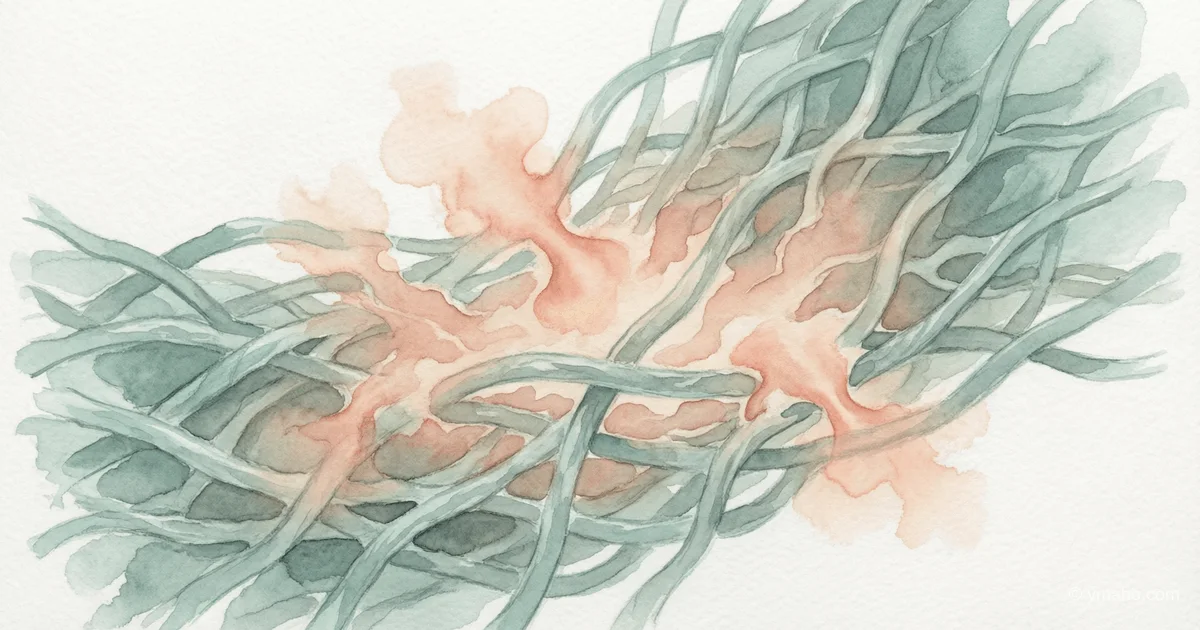
The status quo in pancreatic cancer (PC) therapy has not changed drastically over the past decade. Regimens like FOLFIRINOX or Gem/Nab-Paclitaxel hit a 'stromal barrier' — a dense fibrous capsule that physically blocks chemotherapy penetration and disables immunity. Insiders call this a 'cemented tumor'.
What we saw on May 25 is not a 'breakthrough' in the style of CAR-T, but a validation of a new paradigm. Researchers at Dana-Farber (Kimberly Perez, Brian Wolpin) did not try to kill cancer with a new poison. They used paricalcitol (a vitamin D analog approved by the FDA for secondary hyperparathyroidism) as a spatial modulator.
The essence: instead of bombing the tumor, they turn 'bad' cancer-associated fibroblasts into 'calm' ones. Numbers speak louder than words:
- Partial response rate: 42% (paricalcitol) vs 9% (placebo).
- One-year progression rate: 5 patients in the therapy group vs 0 in the control.
Non-obvious insight (hidden behind the press release):
Most commentators miss the detail about hypercalcemia. In 5 out of 12 patients on the oral form, calcium levels rose. This is not just a side effect — it's a 'working indicator'. Paricalcitol is a vitamin D derivative; its target is nuclear receptors. Hypercalcemia means the drug truly penetrates systemically and overloads metabolism. In oncology, this is a rare case where 'toxicity' serves as a biomarker that stromal remodeling has been triggered. Researchers at Salk (Ronald Evans) knew this 10 years ago in mice but withheld dose-response data until the Nature Cancer release.
Timeline and Context
The current publication is the culmination of an academic 'long build' that nearly killed the idea.
- 2014 (Salk Institute): Evans publishes a paper in Cell showing that VDR agonists can 'calm' pancreatic stellate cells. No big pharma was interested — paricalcitol is cheap, patented for kidneys.
- 2018-2020 (Dana-Farber): Enrollment starts for phase 1b/2 (NCT03520790). Smart design: three arms (IV, oral, placebo) with targeted biopsies. Industry whispers at the time: 'This is academic suicide, PC biopsy is a nightmare, patients will drop out.'
- 2023-2024: Primary completion of the study. Data sits 'on the shelf' for almost 2 years — a sure sign that the primary endpoint (safety) was met, but the survival effect was blurry (p-values not clinically significant, small sample).
- May 25, 2026: Publication in Nature Cancer. They shifted focus from 'survival' to 'molecular remodeling' (T-cell infiltration, reduced fibroblast activation), which looks like preparation for a large phase 3.
Who Wins and Who Loses
Winners:
- US Republican hospitals (Dana-Farber, Salk): They set a precedent for drug repurposing. Now they can push NIH grants to study paricalcitol in ovarian or lung cancer.
- Insurance companies and Medicare: Paricalcitol (generic) costs pennies (in Russia, for example, procurement is about 680,000 rubles per batch, laughable compared to chemotherapy). If the regimen enters NCCN, it will save budgets from being drained by CAR-T or antibodies.
- Smart venture funds: They are now buying up startups targeting the stroma (hyaluronidases, focus on FAP).
Losers:
- Eli Lilly and other developers of new chemotherapy: Paricalcitol steals the 'mechanism of success'. If you can cheaply 'soften' a tumor with an old vitamin, why pay €200,000 for a course of experimental targeted therapy?
- Theriva Biologics (VCN-01): This is a direct competitor. Their oncolytic virus also attacks the stroma, but it's biological and complex to manufacture. News of 42% responses on paricalcitol is a blow to Theriva's stock.
What the Media Isn't Saying
- Biomarker problem (VDR): The authors write that patients with high vitamin D receptor (VDR) expression lived longer. But analysis of PC biopsies shows that 30-40% of patients have low or zero VDR expression initially. That means 60% of patients on this drug will just get toxicity for nothing. The VDR test is a 'stumbling block' for widespread adoption.
- Strange fibroblast statistics: In 2025, a paper in HPB showed that paricalcitol paradoxically normalized survival between 'permCAF' (bad) and 'restCAF' (good) fibroblasts. But in the current study, they admit: the number of fibroblasts did not decrease, only their activation changed. This is a fragile equilibrium. As soon as you stop paricalcitol (or the patient develops resistance due to VDR mutations), stromal collapse returns with a vengeance. This is palliative, not curative.
- The oral form game: The oral group showed slightly better bioavailability but more side effects (kidney stones). Insider info: pharma companies are now looking to create a pro-drug of paricalcitol to mitigate hypercalcemia. Watch for patent applications from Roche and Novartis in the next 2-3 months.
Forecast: Next 30 Days and 90 Days
30 days:
A wave of retrospective analyses. I expect at least 2-3 commentaries in NEJM or JAMA Oncology criticizing the small sample size (only 36 patients). Stock hype will begin — shares of small biotechs related to stromal remodeling (e.g., FibroGen) will get a short-term boost but quickly correct.
90 days:
Dana-Farber will submit a Phase 3 protocol (expected registration on clinicaltrials.gov by August). Key: the protocol must include a stratification factor by VDR level. If not, it will mean the Perez-Wolpin team is trying to push the drug for everyone, hiding the failure in VDR-negative patients. We will also see attempts at combinations like 'Paricalcitol + PEP inhibitors' — the next logical step in stromal reprogramming.
Analyst verdict: Don't grab paricalcitol as a panacea. It's a tool to 'soften' a concrete wall, but the battering ram (chemotherapy) still needs to be powerful. The main risk is hypercalcemia in 40% of patients on oral dosing. Wait for IV protocols or diuretic strategies. There is a breakthrough, but it's incremental (an extra +5 months of life at the tail of the survival curve), not radical.
— Editorial Team