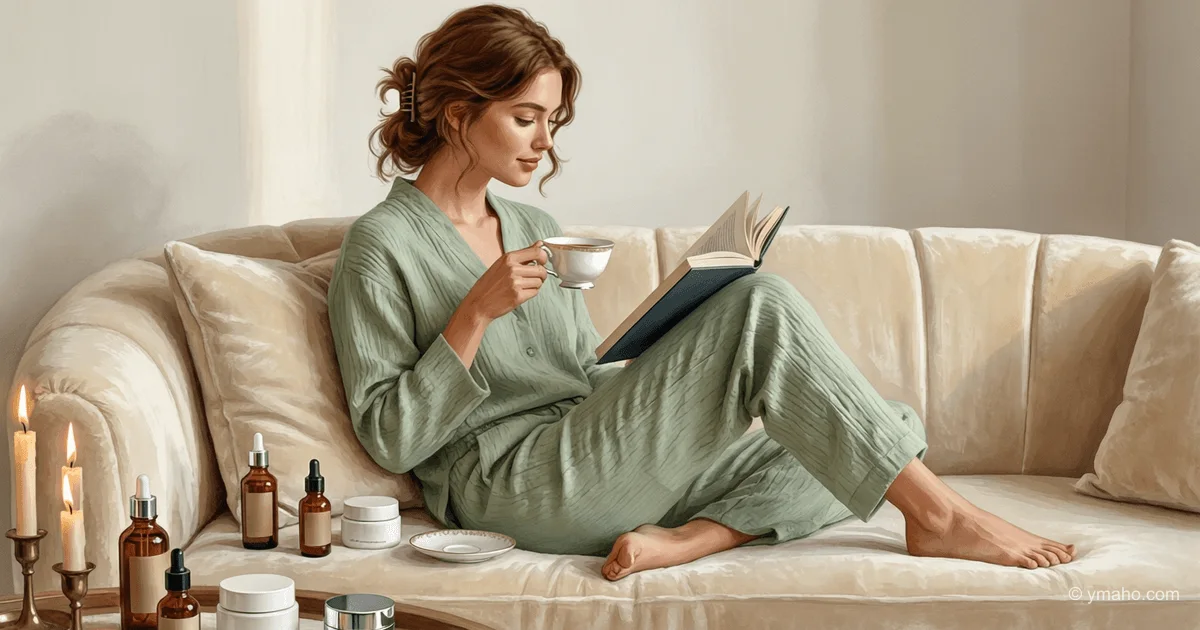
Care Day: The New Lifestyle Trend on YouTube
A video format where bloggers and ordinary people showcase their ideal day dedicated to self-care has gone viral. This "Care Day" includes not only sports and diets but also reading, self-development, and complex beauty rituals.
Insight: "Care Day" is not a new trend but a reaction to burnout from productivity.
The Core: What's Really Happening
Behind the viral "ideal care day" format on YouTube and TikTok is not just another lifestyle trend. It is a systemic response to hustle culture, which has dominated the last five years. If influencers used to show how they "wake up at 5 AM, work 12 hours, and get everything done," now they demonstrate the exact opposite: how to slow down, turn off your phone, and dedicate the day solely to yourself.
The key point analysts miss: "Care Day" is the institutionalization of anti-productivity. The format includes not only sports and diets (old markers of "working on yourself") but also activities like reading, journaling, online personal finance lectures, and even "doing nothing." It's no longer about "becoming better" but about "allowing yourself to be."
What has really changed: self-care used to be a fragmented ritual—15 minutes of a face mask or an hour at the gym. Now it's a dedicated day planned in advance, like a work meeting. The paradox is that care has become another task on the calendar, but the narrative sells it as "freedom from tasks."
Non-obvious insight: Expanding the scope of "Care Day" to include personal finance and online lectures is not about self-development. It's about anxiety. Office workers and Gen Z, amid the economic instability of 2026, use "Care Day" as a legitimate way to legitimize money worries under the guise of "working on themselves." Studying investments becomes as much a ritual as applying serum—because financial security is perceived as a basic self-care need.
Timeline and Context
The viral rise of the format dates back to May 2026. One key video example, with over 788,000 views, shows a full care day including waxing, packing for vacation, trying on swimsuits, and other "slow" activities.
In the Korean and global YouTube segments, the term "Care Day" or "self-care day" became a search query specifically in the last two weeks of May. Notably, content is created not only by professional bloggers but also by ordinary people—the format proved accessible to replicate.
The evolution of the concept is clear:
- 2020-2022: Self-care as "pampering yourself"—bubble bath, mask, candles.
- 2023-2024: Self-care as "improving yourself"—sports, diet, productivity.
- 2025-2026: Self-care as "systematic life management"—a combination of health, appearance, knowledge, and finances.
Analysts from the Korean venture capital industry directly link this trend to fatigue from "resume culture"—where a person was seen as a set of achievements for a portfolio. "Life in sustainable growth" has become a new priority, especially for office workers and Gen Z.
Who Wins and Who Loses
Winners:
- Quiet luxury brands in homewear and loungewear. Filming a "Care Day" requires aesthetic loungewear. Sales of cotton pajamas, soft robes, and "home suits for doing nothing" have grown amid the trend, though exact figures are not yet available.
- Online education platforms (Coursera, Skillshare, local equivalents). Studying personal finance and online lectures have become a legitimate part of "care." Key difference: they are consumed not for a certificate or career, but for a "sense of control over life."
- Functional food and nutraceutical brands. A "balanced diet" and supplements are a mandatory item on any "Care Day" checklist. Companies selling "body support complexes" get organic integration into content.
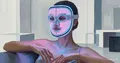
- Home beauty device manufacturers. LED masks, gua sha rollers, and body care devices fit into the narrative. If before they were bought for "efficiency," now it's for the "care ritual."
Losers:
- Salon services with long booking times. A client dedicating a day to care is more likely to choose 2-3 procedures in one place rather than scattered visits across the city. Chain salons with narrow specialization (only nails or only hair) lose share.
- Brands of "quick fixes." "Care Day" is about duration and mindfulness. Products promising "instant results" (express masks, 2-in-1 sprays) don't fit the aesthetic of meditative, unhurried care.
- Workout apps without a mindfulness element. Simple "15-minute workouts" without breathing exercises or stretching fall out of the agenda. "Care Day" includes yoga, Pilates—practices that combine body and mind.
What the Media Aren't Saying
First: "Care Day" doesn't solve anxiety—it masks it.
An Adventum study (April 2026) showed that 58% of consumers live in a state of daily stress. "Care Day" becomes ritualized avoidance, not a solution. The client fills her day with pleasant activities to avoid confronting the real causes of stress—work, finances, relationships. The format sells an illusion of control but provides no tools to address root causes.
Second: Commercialization of spontaneity.
True self-care is the ability to take a day off when needed, not on a schedule. The trend turns a spontaneous need into another item on the to-do list. The irony: people calendarize a "day of doing nothing," scheduling it two weeks in advance—and this causes additional stress if the plan falls through.
Third: Escalation of standards.
When influencers show an "ideal day" including a superfood breakfast, two-hour yoga, studying investments, salon care, and journaling, viewers develop a new standard of "good enough care." Those who lack the time or money for all this feel even worse. A trend meant to reduce stress may actually increase it.
Forecast: Next 30 Days and 90 Days
Next 30 days:
A wave of "exposés" will begin—videos in the format "my real care day vs. the ideal." Influencers will start showing "realistic Care Days" with fewer activities to regain audience trust and distance themselves from accusations of "performative well-being."
Brands in categories like "home textiles," "home fragrances," and "functional beverages" will launch targeted campaigns with the hashtag #CareDay. We'll see the first collaborations between beauty brands and educational platforms ("buy a serum—get a discount on a financial literacy course").
On YouTube and TikTok, checklists like "How to have a Care Day if you have 4 hours, not 16" will appear, signaling the beginning of format fragmentation for different audience segments.
Next 90 days:
The trend will become institutionalized. Employers (especially in the tech sector and creative industries) will start introducing "paid mental health days," directly referencing the Care Day concept. This legitimizes the concept at the corporate level.
The market will see the emergence of the first paid Care Day planner apps—services that help create an "ideal care itinerary" with calendar integration and recommendations for places (salons, healthy food cafes, bookstores). Subscription model at $5-10 per month.
Main forecast: In 90 days, the term "Care Day" will either become so diluted that it loses meaning (as happened with "wellness") or trigger a more radical counter-trend—"Raw Day." This would be a video format where people show a completely unedited, "ugly" day, where self-care is limited to going to bed at 1 AM and ordering pizza delivery. Anti-perfectionism as the next swing of the pendulum.
— Editorial Team