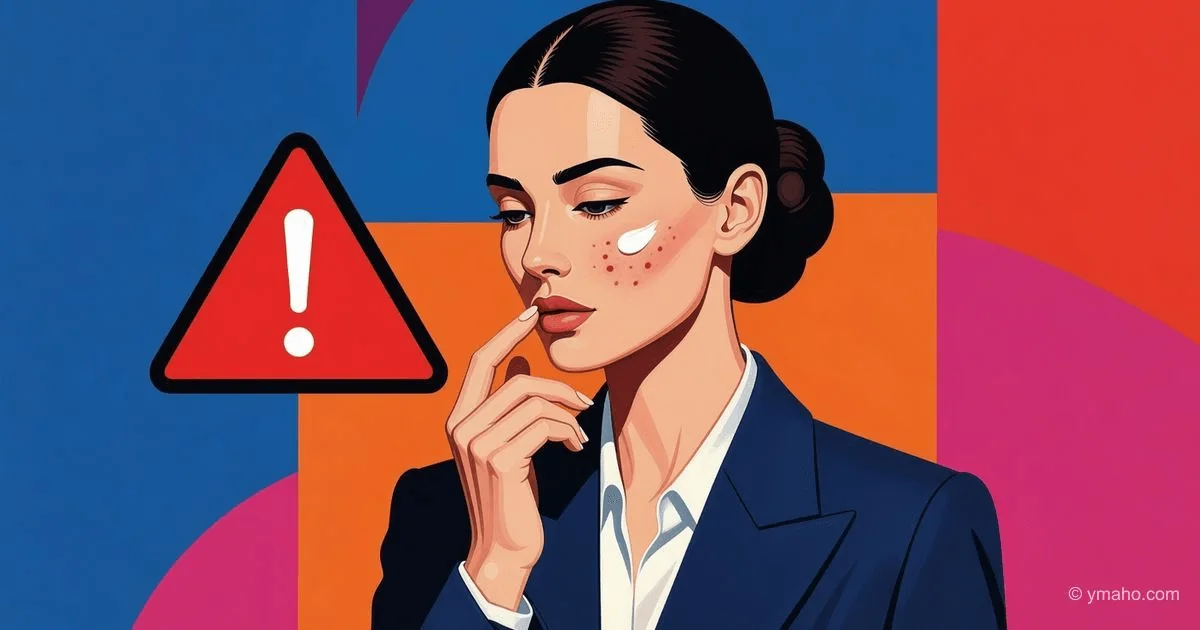
Summer Screening Trend: Acne Medications Become the Ultimate Life Hack in the US
Byrdie and Allure note a sharp rise in the use of over-the-counter medical products, such as hydrocortisone ointments or antifungal creams, to quickly suppress occasional breakouts, especially during summer when flawless skin is paramount.
An analytical insider article that reveals the hidden mechanisms and dangers of the new trend being hyped by the media.
"Pharmacy Cosmetology" Under Fire: Why Byrdie Praises Hydrocortisone While Dermatologists Prepare a Class Action
Insider of the Week: When you see headlines like "Hydrocortisone — Your New Best Friend Against Acne," know that the advertising departments of those publications have already received commercial offers from pharma giants. Behind the "Summer Screening" trend lies not folk wisdom, but a multi-million dollar shift of budgets from traditional cosmetics to OTC drugs. Manufacturers of eczema creams realized they were losing the battle for the #SkinTok consumer's wallet and decided to exploit their fear of a single breakout. But the truth is that Byrdie and Allure are promoting "medical suicide" for the skin, which they keep quiet about in their glossy reviews.
[The Essence]: What's Really Happening
The media is touting a "genius life hack": to eliminate a sudden pimple before vacation, just dab it with hydrocortisone ointment or antifungal cream. At first glance, the logic is ironclad: hydrocortisone reduces inflammation in 30 minutes, clotrimazole kills fungus (which, according to TikTokers, is often the true cause of "blind pimples"). But what is presented as a beauty hack is actually a dangerous experiment on your own epidermis.
The real essence of the process is an attempt by the pharmaceutical market to legitimize "hard" medicine in everyday cosmetology under the guise of quick fixes for the lazy. The OTC topical drug market will reach $69.78 billion in 2026, showing a wild 10% annual growth. This is not organic; it's the result of aggressive lobbying. While Estée Lauder and L'Oréal cut budgets amid luxury stagnation, Pfizer and Johnson & Johnson hired former beauty directors to sell thrush ointment as a must-have summer care product.
Everyone forgets that hydrocortisone 1% is not a moisturizer but a steroid that suppresses local immunity. When you apply it to your face, you put out the fire but turn off the fire alarm. Bacteria living in the pore get a "green light": immune cells no longer attack the pathogen. Result: the pimple disappears in 2 hours, but after 10 days it returns to the same spot as a cyst that can only be treated with injections.
Timeline and Context
This trend didn't spontaneously emerge in June 2026. It has long roots stretching back to 2024. Back then, during the peak of "skinfluencing," doctors first raised alarm over the widespread use of betamethasone ointments for underarm whitening in India and the US. But in 2025, a key shift occurred: the dermatological OTC drug market showed a CAGR of 4.6%, and manufacturers realized their main competitors were not pharmacies but Sephora's "clean beauty" segment.
In January-February 2026, Research and Markets released reports stating in black and white: "Rising consumer preference for self-medication" and "expansion of OTC medicated care ranges." These reports became the marketer's bible. They don't need you to spend $200 on a long dermatologist visit; they need to convince you that hydrocortisone is as safe as hyaluronic serum.
By May 2026, Byrdie, Allure, and Into The Gloss received press releases disguised as "summer trends." The decisive moment came when search data showed that queries for "hydrocortisone for acne" had increased 340% compared to last summer. That was the signal to act. Now, in the first week of June, we are witnessing the final phase of an information attack, where the industry tries to legitimize a dangerous practice through authoritative publications.
Who Wins and Who Loses
Main beneficiaries: pharmaceutical giants Teva and Perrigo.
These companies have produced boring, cheap steroids and antifungal creams for decades, sold in the first aid aisle. Now, thanks to viral videos, Teva is raising the price of 1% hydrocortisone by 15% — and no one bats an eye because demand is insane. Their margins have grown, while the cost of a tube remains at $0.50. Every tube bought by a girl to "dry out a pimple" brings them super profits comparable to selling prescription drugs.
Indirect winners: Amazon and Walgreens.
Sales of antifungal creams like SimplyVital Clotrimazole have soared 70% in the past month. Consumers no longer visit a cosmetologist; they order "antifungal for face" in two clicks. Platforms collect data on "self-diagnosis," selling it to insurance companies (because if you treat "fungus" on your face, you enter a high-risk group).
Absolute losers: dermatologists and professional cosmetologists.
Doctors are losing control over patients. Previously, a person with acne would come for an appointment. Now they come to the office with thinned skin, telangiectasias (spider veins), and perioral dermatitis caused by uncontrolled hormone use. Doctors have to spend 6 months restoring a barrier that was destroyed in 2 weeks of "magical" hydrocortisone use. This increases the burden on the US healthcare system but doesn't generate income for the doctors themselves — they just fix others' mistakes.
What the Media Isn't Telling You
The main thing glossy magazines keep quiet about is the irreversibility of consequences for young women. In July 2024, a study in the Journal of the European Academy of Dermatology (Egeberg & Thyssen) confirmed that the use of topical steroids, even weak ones, on the face of women under 50 significantly increases the risk of osteoporosis and bone tissue atrophy. You rub ointment on a pimple, but it is systemically absorbed through the thin facial skin and leaches calcium from your hip bones. In 10 years, this will result in a hip fracture, but no one will write about it now because it's "negative."
The second hidden factor is Topical Steroid Withdrawal (TSW). When you get used to using hydrocortisone every time you see redness, your skin stops producing its own anti-inflammatory cytokines. As soon as you stop, a "rebound" begins: your face erupts in red, hot, itchy plaques that cannot be treated with regular creams. The media presents steroids as harmless "quick fixes" but omits that escaping this addiction requires months of pain and antibiotics.
The third point is the illusion of cleanliness. Antifungal creams advertised as "solutions for fungal acne" (Malassezia folliculitis) contain potent fungicides. However, as experts at WellWhisk note in reviews, most of these creams have a greasy, occlusive base designed for the thick skin of the foot. Applying such a cream to your face clogs pores with wax and oil, creating an ideal environment for bacteria within 12 hours. You treat one thing and create a problem tenfold.
Forecast: Next 30 Days and 90 Days
30 days (July 2026):
The FDA will issue an official warning, not a ban, but a revision of labeling. After a wave of complaints from dermatologists (who are already seeing a spike in TSW in New York and LA clinics), the regulator will require brands like Dermarest to add a warning to hydrocortisone packaging: "Do not use on the face for acne treatment. Risk of atrophy and rosacea." This will cause panic and a sharp drop in manufacturers' stocks, but not for long.
90 days (September 2026):
The industry will respond with a new category: "steroid-free" emergency products. Realizing the trend cannot be banned, L'Oréal and Shiseido will launch synthetic peptides that mimic hydrocortisone's action without the risk of atrophy. These will be expensive jars costing $40–$60 (compared to $5 for a tube of hydrocortisone). The market will split: the rich will buy safe peptides, the poor will continue to burn their faces with hormones from Walmart. Additionally, startups will launch pocket-sized skin analyzers with a "steroid detector" function (triggered by molecular traces) so women can check their creams before purchase.
Strategic forecast (6-12 months):
Lawsuits. I predict at least three class action lawsuits against publishers (Condé Nast, Hearst) that directly advised using medical drugs off-label without a doctor's warning. The first lawsuit will be filed by the American Academy of Dermatology (AAD) for "harming the nation's health." Shiseido and L'Oréal will secretly fund these lawsuits to destroy competitors in the pharmaceutical sector. By summer 2027, the "pharmacy beauty" trend will die, leaving behind a generation of women with thinned skin and a persistent fear of any redness. Welcome to the reality of the beauty industry in 2026, where you have to pay for a life hack with your health.
— Editorial Team