Articles by tag: ai-diagnostics
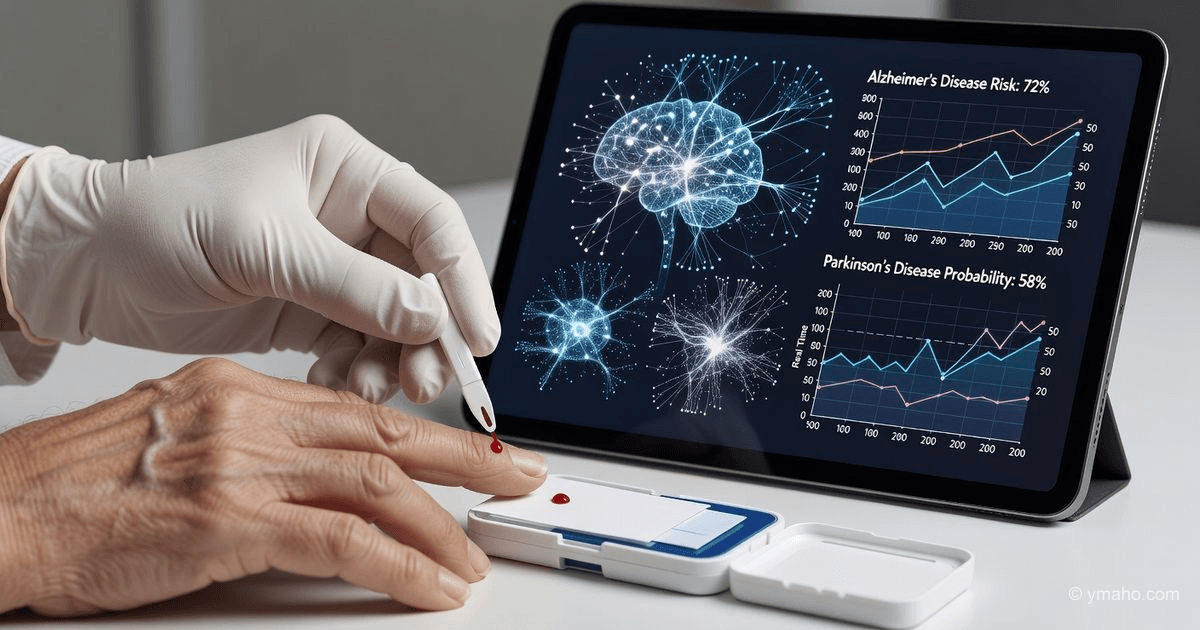
AI blood test for dementia: diagnosis of neurodegenerative diseases
New AI blood test distinguishes 4 types of dementia with 92.3% accuracy. Learn how GPND-AI is changing the diagnosis of Alzheimer's, Parkinson's, and mixed pathologies. Read more.
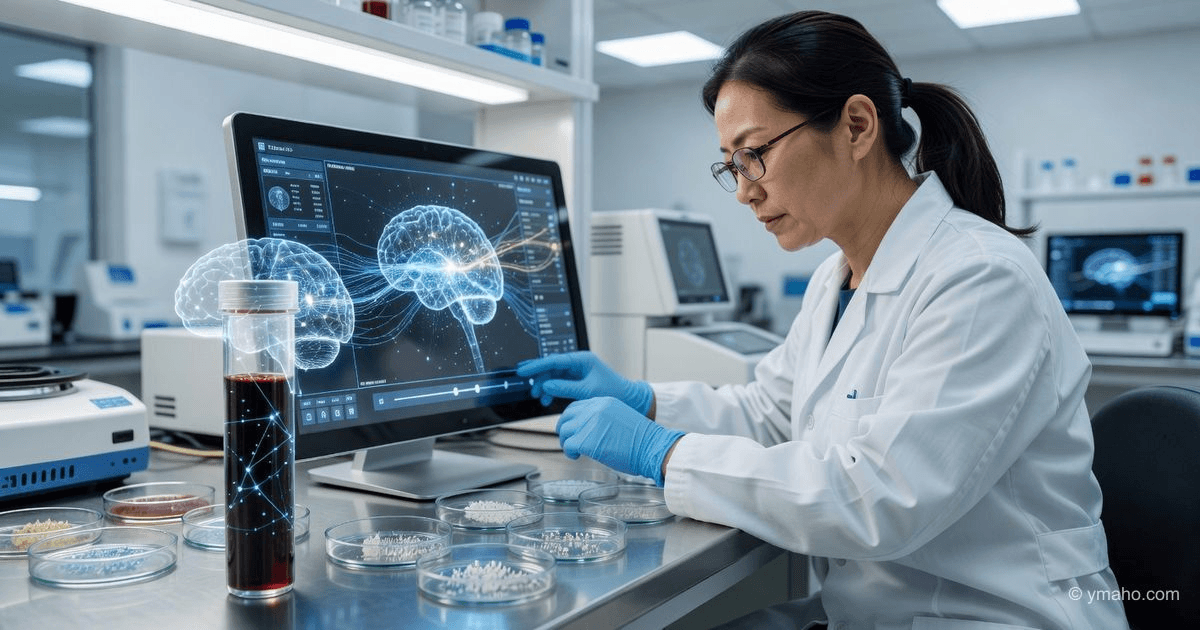
AI blood test with 92% accuracy distinguishes four types of dementia
New AI test GPND-AI analyzes 15 blood proteins and differentiates 4 types of dementia with 92.3% accuracy. Learn how a blood test is changing diagnostics and saving millions.
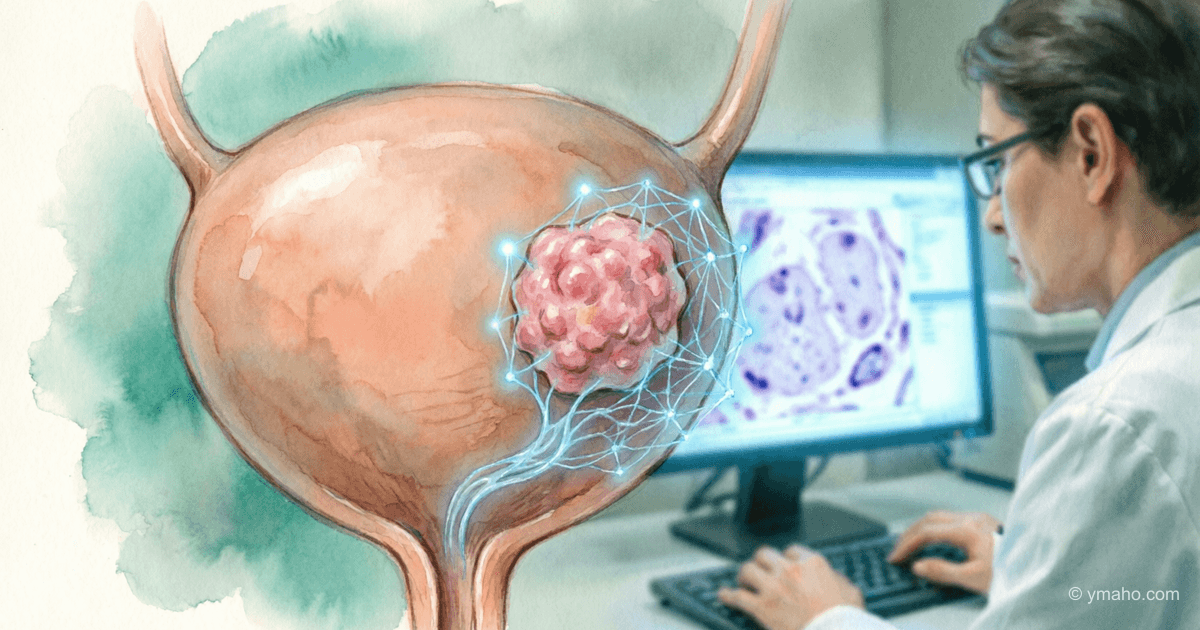
AI diagnosis of bladder cancer: 99% accuracy and Vesta breakthrough
AI increases accuracy of bladder cancer diagnosis to 99%. Analysis of the VisioCyt vs Vesta battle: who received FDA breakthrough status and why it changes urology. Read.
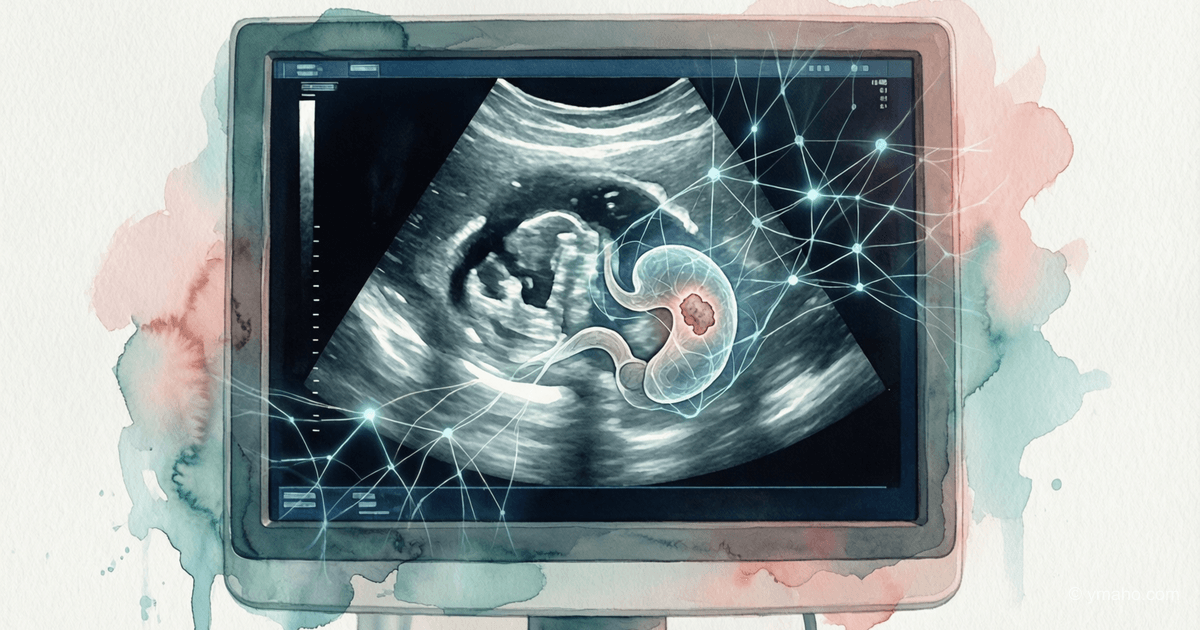
AI for early diagnosis of gallbladder cancer: accuracy 92-97%
PGIMER AI model analyzes ultrasound and detects gallbladder cancer at an early stage. Free application for hospitals. Data from The Lancet. Learn more.
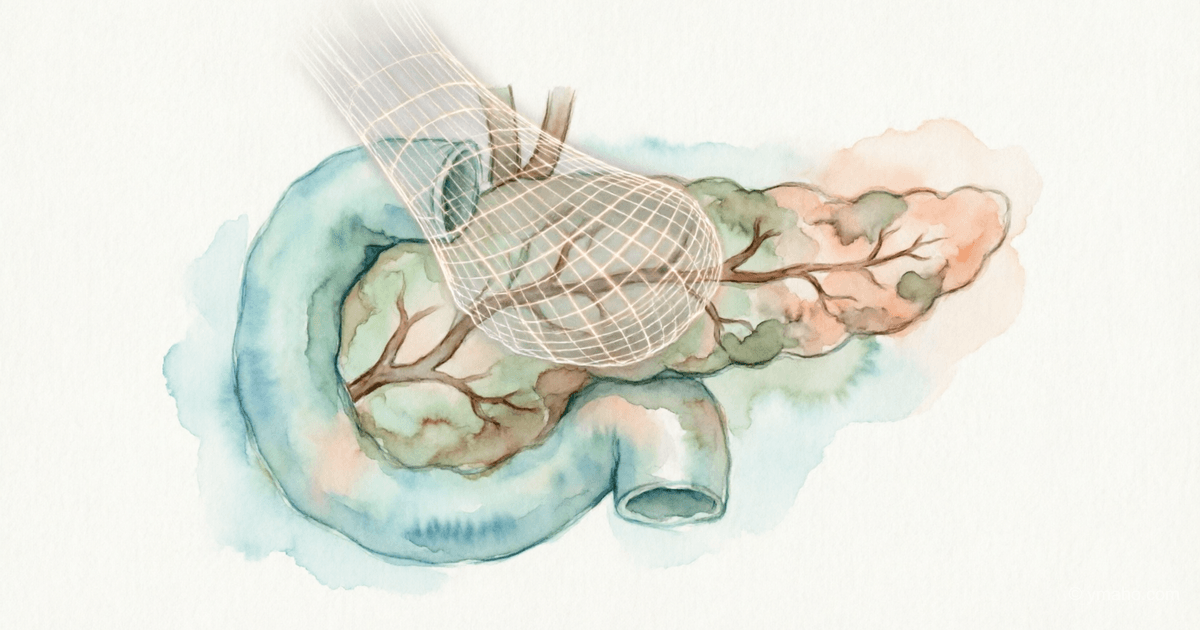
AI triples pancreatic cancer detection: REDMOD model
Mayo Clinic model finds pancreatic cancer 475 days before diagnosis on routine CT scans. Learn how AI is changing screening and survival. Read details.
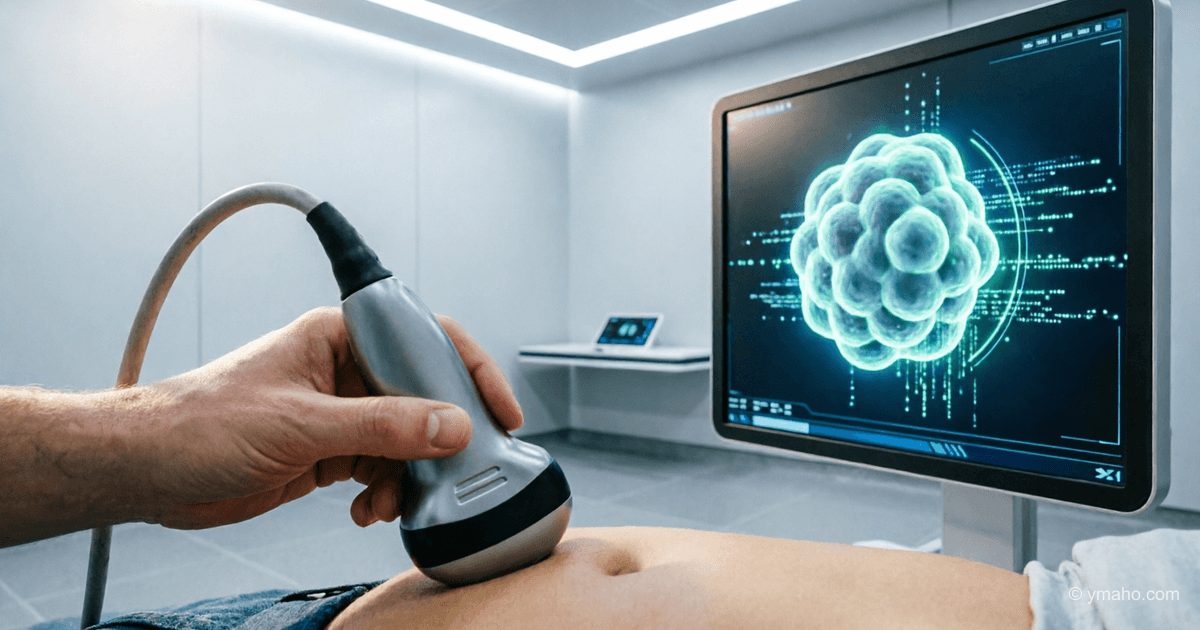
Rad-VLSM: AI framework improves ultrasound diagnostics
Cross-modal AI Rad-VLSM changes ultrasound diagnostics: automatic pathology detection via text prompts reduces expert dependency. Learn how the technology will reshape the market.
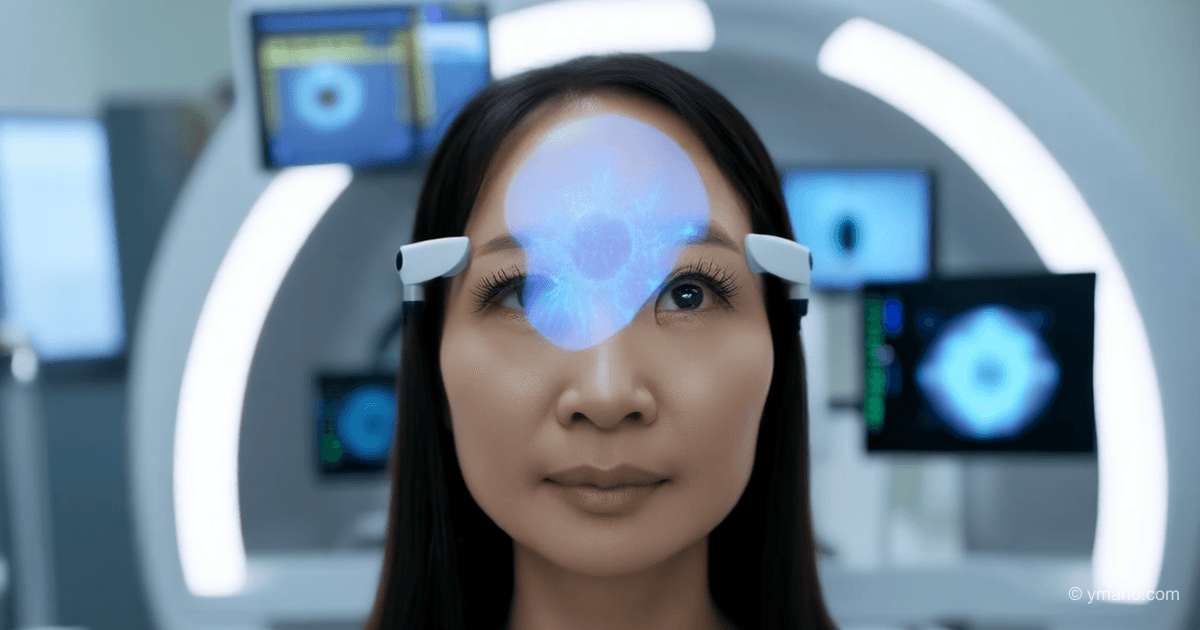
AI eye scanner: early diagnosis of Parkinson's and dementia
CCM technology with AI detects dementia and Parkinson's disease in minutes through a corneal image. Learn how needle-free scanning will change neurology.
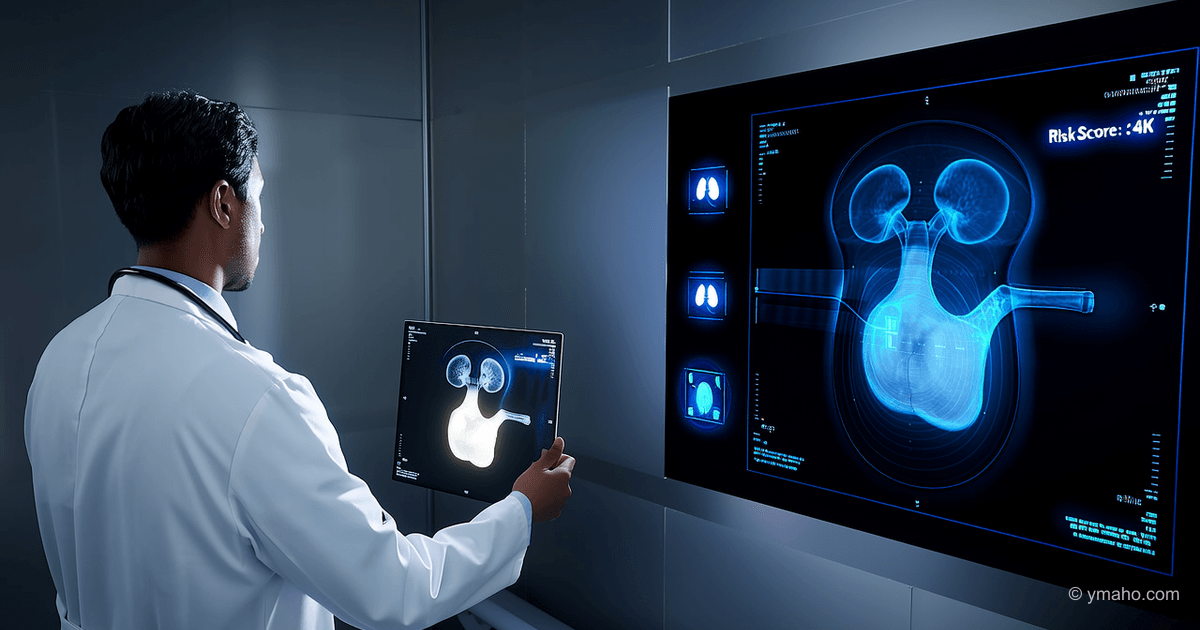
AI triples sensitivity of early pancreatic cancer detection
Mayo Clinic's REDMOD model detects pancreatic cancer 475 days before diagnosis with 73% sensitivity. Learn how AI is changing oncology and who needs screening now.
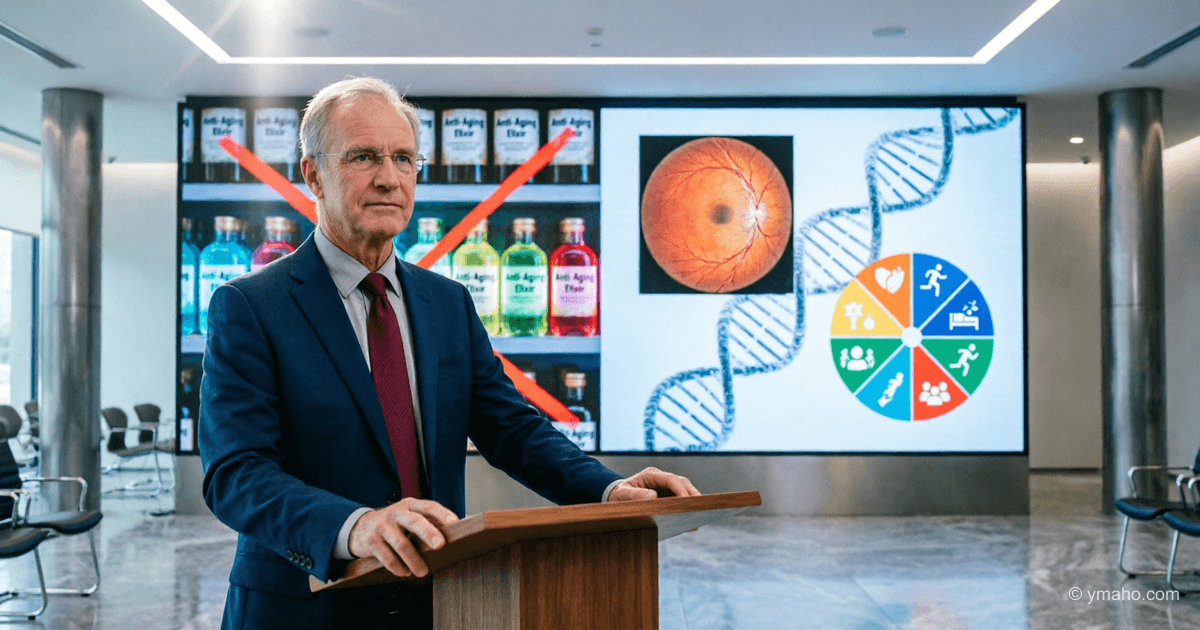
Cardiologist Topol debunks myths of the anti-aging industry
Eric Topol proved: there are no longevity genes, and the $85 billion anti-aging market is overvalued. Find out why lifestyle and AI prevention are more important than peptides and cryochambers.