Oil Rises Over 2% on Trump Threats and Tense Start to Talks
US President's threats to strike Iran and reports of a pause in dialogue by the Iranian delegation pushed Brent to $81-82 per barrel, though prices later corrected.
Analytical Review: Oil Surge on Threats — Market Bought Noise, Not Reality
The Gist: What's Really Happening
The oil market rose 2.2% solely due to a war of words — a classic trap for retail traders who buy headlines without looking deeper. Brent jumped to $82.30 per barrel at the open because Trump threatened to strike Iran if Hezbollah continued attacking Israel, and Iranian media reported that the delegation had paused talks. But those in the know understand: this was noise masking a real deal.
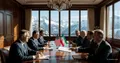
Negotiations in Bürgenstock, Switzerland, continued despite claims of a "pause." Sources familiar with the discussions confirmed that dialogue never stopped. Moreover, the sides have already finalized a draft for temporarily lifting sanctions on Iranian oil exports — technical work that isn't done if bombing is imminent. The market ignored this fact, focusing on sensationalism.
The reality: Iran and the US are in a 60-day window after signing a memorandum, and the deal to lift sanctions is already agreed in principle. Trump's threats are public rhetoric for domestic US consumption, which doesn't change the fact that his own administration issued a temporary waiver on Iranian oil sanctions. Tehran already knows it can sell oil freely once the final agreement is signed.
Timeline and Context
To understand the current moment, look at the sequence of events revealing the true picture. Here's a timeline of key decisions and price movements over recent days:
| Date | Event | Brent Price (Reaction) | Context |
|---|---|---|---|
| June 14 | 14-point "Islamabad Understanding" reached with Pakistan's mediation | — | Basis for the memorandum |
| June 17 | US confirms temporary lifting of sanctions on Iranian oil under the memorandum | ~$78 | NYT reports on waiver |
| June 18 | Memorandum signed electronically by Trump and Pezeshkian | 8% drop over the week | Document takes effect |
| June 20 | Iran announces closure of the Strait of Hormuz | — | Rhetoric, not reality |
| June 21 | Trump threatens strikes on Iran; Iranian media reports pause in talks | Rise to $82.30 | Peak emotional move |
| June 22 | Talks in Bürgenstock continue; draft on sanctions finalized | Correction to ~$81 | Reality catches up |
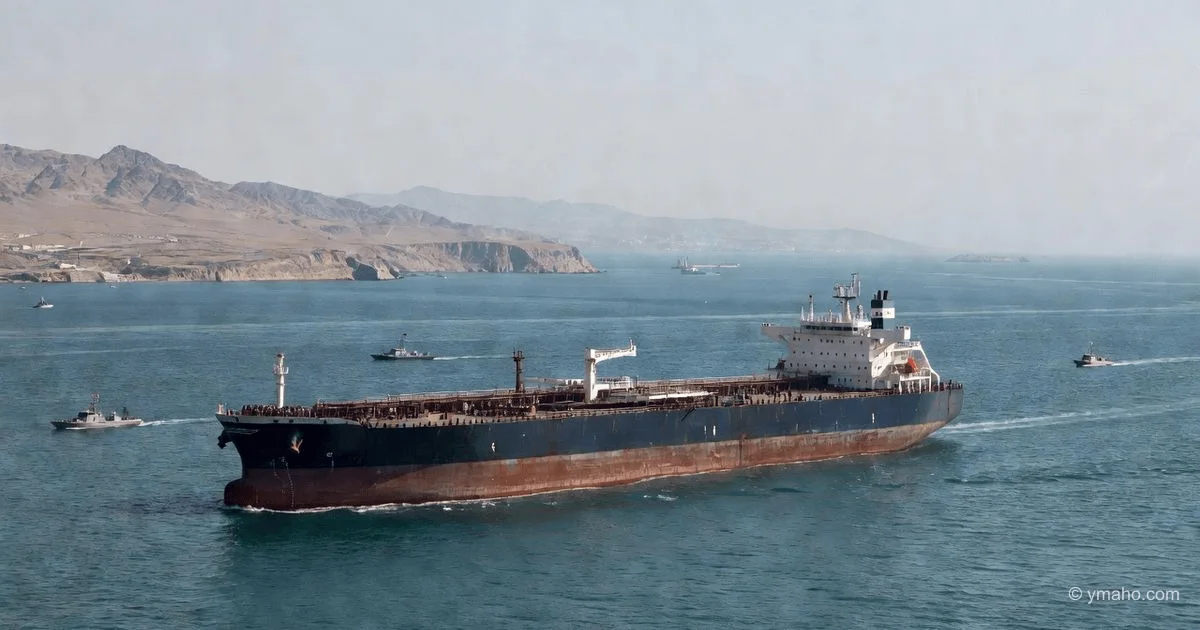
Key fact the market misses: millions of barrels passed through the Strait of Hormuz over the weekend despite Iranian claims of closure. Tankers kept moving — military and diplomatic channels were already working to ensure passage. JPMorgan analysts estimate up to 2 million barrels per day leave the Persian Gulf illegally on tankers without transponders.
Winners and Losers
Winners: Traders who sold at the peak. Those who bought on news of the "pause" at $82.30 are now sitting on losses. Major hedge funds, understanding that technical work on sanctions continued, opened shorts at that level.
Winner: Iran — $300 billion in frozen assets have already been unlocked, and it gains legal access to global oil markets. Despite threats, the waiver has been issued. Iran can now sell oil not only to China at a discount but to Europe and Asia at market prices.
Loser: The oil market in the long term — 80 million barrels accumulated in the region, ready to flood the market when the strait fully opens, will create a glut. China, the largest buyer, has cut imports, and its storage is overflowing.
Loser: OPEC+ — the organization continues to increase production: quotas will rise by 188,000 barrels per day in July, with Russia getting 9.82 million and Saudi Arabia 10.35 million. Add Iranian oil, and the picture of oversupply becomes clear.
What the Media Isn't Saying
Media write about "tense start to talks" and "threats of strikes" but miss the main point: Trump used this threat to strengthen his negotiating position, but real concessions were made beforehand. The memorandum is signed, the waiver is issued, the strait is working. Everything we see now is public theater.
Second hidden fact: talks in Bürgenstock did not stop or "pause." The Iranian delegation never left the table — there were short breaks for consultations, normal for such negotiations. Bloomberg reporters confirm discussions continued until early morning. Iranian negotiator Ghorbanzadeh directly stated that the draft on sanctions was finalized during these same talks.
Third insight concerns the deal's structure: lifting sanctions is tied to ending the war in Lebanon. As long as Israel continues its campaign against Hezbollah, Iran won't get full relief. That's why Trump threatens Iran — he's pressuring Tehran to influence Hezbollah. But this doesn't change the fact that oil sanctions have already been lifted and money is already flowing.
Forecast: Next 30 Days and 90 Days
30 days: Volatility will remain high. Talks in Bürgenstock will continue, and every statement from Trump or Tehran will cause +/- $2-3 in price. Brent will trade in the $76-83 range, but I expect a gradual decline toward the lower bound as the market realizes oversupply is inevitable.
90 days: If the final agreement is signed (65-70% probability), Iranian oil will flood the market at 1.5-2 million barrels per day. Combined with planned OPEC+ production increases (188,000 bpd in July and beyond), this will create a serious imbalance. Brent could fall to $70-74. But an alternative scenario: if Israel expands its operation in Lebanon and Iran actually blocks the strait, prices could spike to $90+ on fear of shortage.
Editorial Forecast
Asset: Brent crude oil, August 2026 futures. Direction: Moderate decline over the next 24-72 hours. Key levels: Resistance at $82.30 already tested; target zone $79-$80; a break below $78.50 opens the path to $76. Confidence: Medium (55-60%) — the market overreacts to rhetoric, while fundamentals point to oversupply. Main risk: Sudden resumption of military action between the US and Iran (new strikes) — then a reversal to $85+ with an immediate break of $82.30. Monitor CENTCOM statements and maritime traffic data through the Strait of Hormuz.
— Editorial Team