Iranian Foreign Minister Urges US to Withdraw Troops from Region for Their Own Safety
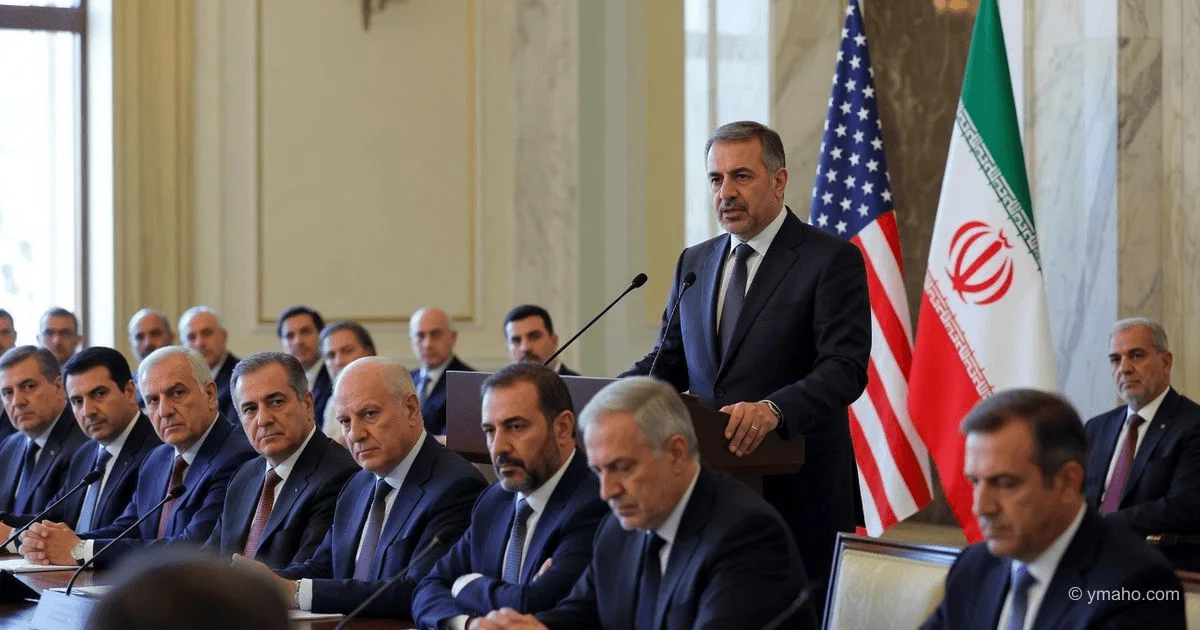
Abbas Araghchi stated that Iranian armed forces will not leave any attack or threat unanswered, warning Washington about testing Tehran's resolve. The minister emphasized that foreign forces are in a zone of constant risk and must leave the region.
Headline: Tehran's Final Warning: Why Araghchi's Demand to Withdraw US Troops from the Region Is Not Rhetoric but an Economic Ultimatum
Author: Independent Financial Analyst
[The Gist]: What's Really Happening
When Iranian Foreign Minister Abbas Araghchi writes on social media platform X: "Leave our region if you want to be safe," global media outlets shrug it off as another round of propaganda warfare. But I, someone accustomed to looking at insurance premiums and oil options, see something more interesting. This is not just a threat. It's an economic ultimatum. With a missile accompaniment.
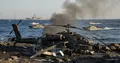
Araghchi's key phrase — "our armed forces will not leave any attack or threat unanswered" — signals Iran's shift from a "lay low" strategy to a "hit us, get hit back immediately" doctrine. A direct response to US strikes on Iranian air defense systems on Qeshm Island and at Bandar Sirik port, which followed the downing of a US Apache helicopter over the Strait of Hormuz.
But the most important part (and what news feeds collectively missed) is the message's addressee. Araghchi is not only speaking to Washington. He is looking at Riyadh, Abu Dhabi, Manama, and Kuwait City. And he is effectively telling them: "You're next if you keep leasing your territory for American bases." His call for Persian Gulf states to assume "legal and moral responsibility" is not diplomatic etiquette. It's a masterful strike designed to split the anti-Iran coalition from within. And you know what? It might work.
Timeline and Context
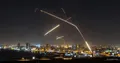
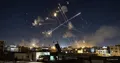
The evening of June 9, 2026, was a turning point. The US launched a wave of retaliatory strikes against Iran — in "self-defense," of course — after an Iranian drone shot down a US Apache helicopter. The strikes targeted air defense systems, ground control stations, and radar stations near the Strait of Hormuz. Iranian media reported three waves of attacks that damaged civilian infrastructure, including two reservoirs in Hormozgan province.
The IRGC's response was swift. Iran struck US targets in the region, including the Fifth Fleet base in Bahrain. Only after this exchange of blows did Araghchi's statement appear. It should be viewed not as a reaction to a specific incident, but as the formulation of new "rules of the game" for years to come.
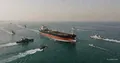
The minister wrote on X: "Despite defeats on the battlefield, the US decided to test our resolve." He emphasized that "the history of the Persian Gulf is full of chapters about the tragic fate of outside invaders." The phrase about "thousands of miles from US shores" and the reminder that the Strait of Hormuz is "a jointly used territory of Iran and Oman" are not just words. They are the legal and navigational basis for future shipping restrictions. Good night, tankers.
Who Wins and Who Loses
Winner number one: Iran. But with an important caveat: in the short term. Tehran has proven it can attack US bases in Bahrain and Kuwait while dictating terms publicly. Araghchi is holding parallel talks with Turkey and Saudi Arabia, explaining Iran's position. Classic carrot-and-stick diplomacy: we strike your allies, but we're ready to talk to you.
The second winner: China and Russia. They watch the crisis from the sidelines — and rub their hands. Iran is effectively demanding a US withdrawal from the region. If Washington partially pulls out troops, a vacuum will form. China will fill it with economic projects (Gwadar port in Pakistan, Iranian railway), and Russia with military presence. Even if the US stays, constant tension diverts its resources from the Pacific and Europe. Convenient, isn't it?
| Loser | Why | Numbers and Consequences |
|---|---|---|
| Bahrain | Araghchi placed "legal and moral responsibility" on them for US strikes. Next time, Tehran will consider them accomplices, not victims | Air defenses depleted by intercepting Iranian missiles. Choice: break the alliance with the US or prepare for war on its soil |
| Kuwait | Same story. Its territory is used for strikes on Iran | Risk of direct hit in the next exchange |
| Investors in Gulf sovereign bonds | Escalation risk is priced into yields | Bahrain bond spread to Treasuries widened by 35 bps. Kuwait 10-year bond yield rose 15 bps. Rating agencies will revise Bahrain's outlook to "negative" |
What the Media Isn't Saying
First and most important insight: Araghchi's statement was coordinated with Supreme Leader Khamenei and the IRGC, but it contains a deliberately ambiguous phrase about "US defeats on the battlefield." Iranian propaganda media cannot admit that the US inflicted real damage on their air defenses. So they talk about "US defeats" in an abstract sense (presumably referring to Afghanistan and Iraq). To the outside world, this phrase sounds like a bluff. Because the US just destroyed Iranian radars.
Second: Behind the scenes, Iran is negotiating with the US through intermediaries. Araghchi held consultations with his Turkish and Saudi counterparts. This means the "leave the region" call is a public stance for domestic consumption and radical audiences. Real negotiations on maritime zone delimitation and de-escalation are ongoing via Oman and Qatar. But public rhetoric makes these talks harder. Ironic, isn't it?
Third — the threat to revise the status of the Strait of Hormuz. Araghchi reminded: the strait is not international waters, but a joint zone of Iran and Oman. If Iran decides to introduce "regulated navigation" there or demands Oman restrict the passage of US warships, it would be a disaster for global oil prices. No major media outlet analyzes this legal aspect. But in Tehran, they are already working on it.
Forecast: Next 30 Days and 90 Days
30 days (by July 10, 2026): Verbal escalation will continue, but actual military action will decrease. Both sides have struck and saved face. The US will not withdraw troops from the region — that would be an admission of defeat before elections. Iran will not attack new targets — that would provoke a full-scale war. However, war risk insurance premiums for vessels calling at Bahraini and Kuwaiti ports will remain elevated (+0.5-0.7%). Brent will trade in the $90-95 range.
90 days (by September 10, 2026): A "quiet war" for influence over the smaller monarchies will begin. Iran will pressure Bahrain and Kuwait through diplomatic channels to limit military cooperation with the US. We may see attempts at coups or mass protests in Bahrain — inspired, of course, from Tehran. If Bahrain leaves the anti-Iran coalition, it would be a geopolitical catastrophe for the US. Oil prices would spike to $110-115. If Bahrain holds firm, the conflict will become chronic with periodic missile exchanges. And that is perhaps the most likely scenario.
Editorial Forecast
Asset: Brent crude oil. Direction: Up on speculative buying in the next 24-72 hours. Araghchi's rhetoric is perceived by the market as increasing the likelihood of shipping disruptions through Hormuz. Key levels: Current price — $91.5; target — $94.5 (test of last week's highs); support — $89.5. Confidence level: Medium (65%). The market has already priced in a geopolitical premium after the exchange of strikes. Main risk: If Oman or Qatar announce the resumption of direct US-Iran talks, the price could drop $3-4 in a single session. This is the editorial opinion, not an investment recommendation.
— Editorial Team